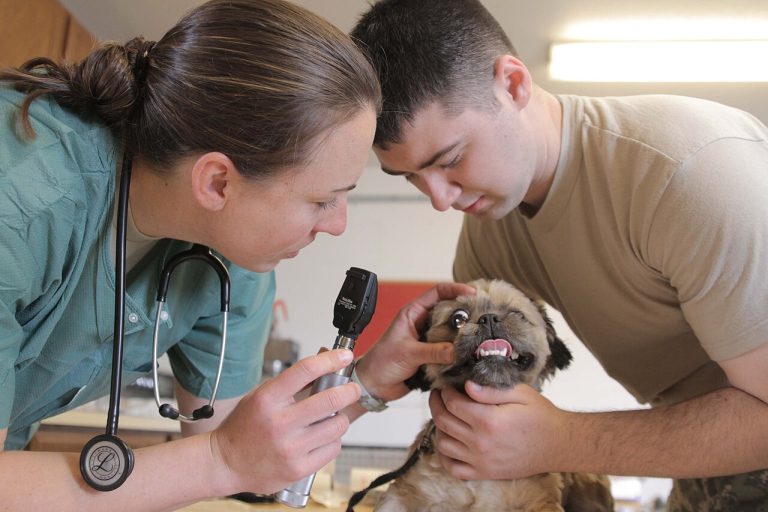
Dog Ear Care: One Minute a Week Against the Most Common Vet Visit
Ear infections are the most common reason dogs visit the vet, and the most preventable one. The recipe for trouble is simple: a warm, dark ear canal, add moisture from a swim or a bath, close the lid with a heavy, floppy ear flap, and wait. A weekly sixty-second routine breaks that recipe completely, and yet most owners never look inside their dog’s ears until the head-shaking starts. This article is the routine, plus how to tell a dirty ear from a sick one, because the difference decides whether you reach for the cleaner or the car keys.
Know Your Dog’s Risk Tier
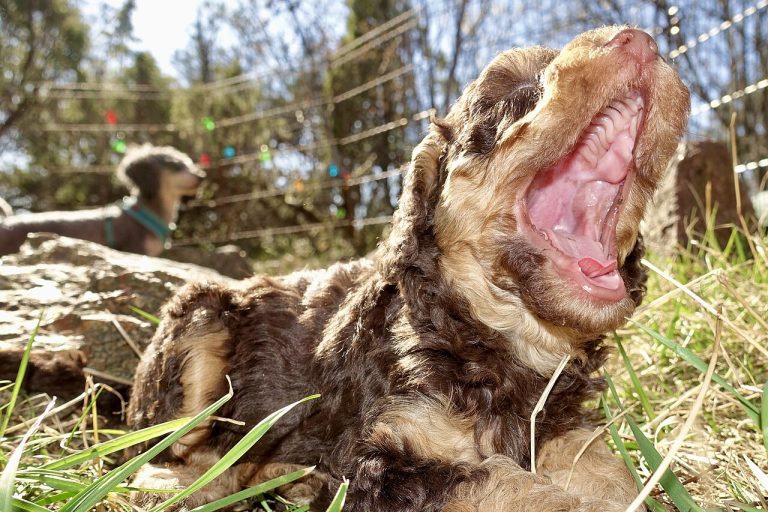
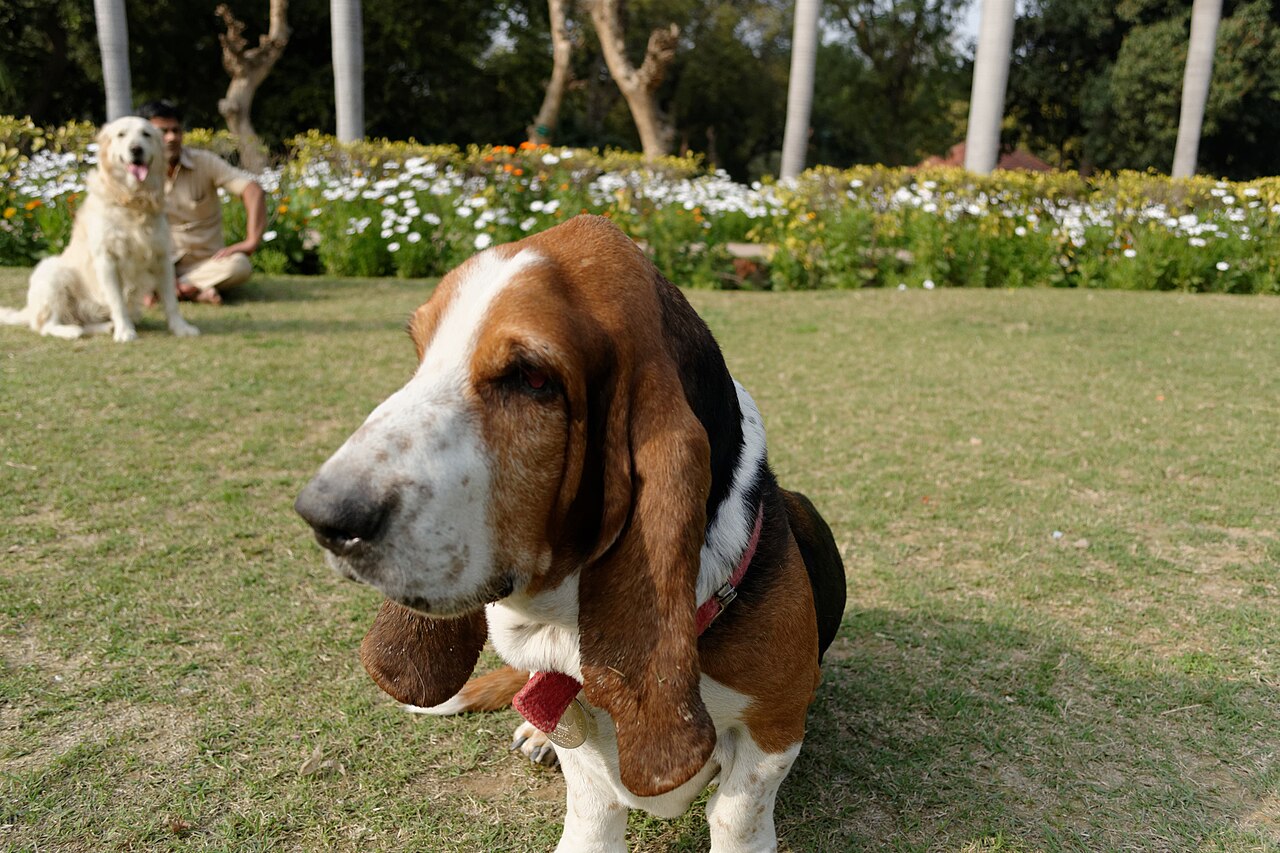
Ear anatomy assigns the homework. Heavy-flapped, hairy-eared breeds live in the top tier: the Cocker Spaniel is the unofficial mascot of canine ear infections, with the Basset Hound, Bloodhound, and every swimming spaniel and retriever close behind. Poodles and doodles add a twist: hair grows inside their canals and needs managing at grooming time. Allergy-prone breeds like the French Bulldog and Labrador get recurring ear trouble as a symptom of itchy skin, and pricked-ear breeds like the German Shepherd and Siberian Husky enjoy ventilated, low-maintenance ears, which is one of nature’s small jokes at the spaniels’ expense.
The Weekly Sixty Seconds
Lift the flap and use three senses. Look: a healthy canal is pale pink and lightly waxy; redness, swelling, dark discharge, or a canal narrowed shut are problems. Smell: healthy ears smell like nothing much; yeast smells like bread gone wrong, bacteria smell frankly foul, and your nose will know. Touch: a healthy ear tolerates a gentle massage at the base with pleasure (most dogs lean into it); flinching or crying means pain. If all three senses pass and the ear is just a bit dirty, wipe the visible parts with a cotton pad and dog ear cleaner. If any sense fails, skip the cleaning and book the vet, because cleaning an infected ear stings and treats nothing.
Cleaning and Drying, Done Right
For a proper clean, use a veterinary ear cleaner, never alcohol, vinegar experiments, or hydrogen peroxide, and never a cotton swab down the canal, which packs debris deeper and risks the eardrum; a dog’s canal turns a corner, and your job ends where your finger wrapped in a cotton pad stops reaching. Fill the canal with cleaner as the label directs, massage the base until it squelches (the sound of it working), stand back for the inevitable head shake, which does the deep cleaning for you, then wipe what surfaces. After every swim and bath, the short version: dry the ears with a towel-wrapped finger, especially in the top-tier breeds, because the swim itself was the risk. Swimming season is ear season at every vet clinic on earth.
When It Keeps Coming Back
The head-shaking, ear-scratching, gunky-eared dog needs a vet visit and proper treatment, not repeated home cleaning, and here is the part that saves years of frustration: an ear infection that returns again and again is almost never an ear problem. It is usually an allergy problem, food or environmental, wearing an ear costume, and treating each infection without asking why is how owners and dogs end up in a miserable loop. If your dog is on its third ear infection this year, the right question at the vet is not “which drops” but “what is driving this,” and the answer changes everything downstream.
Your breed’s guide tells you which ear tier you live in and what the weekly routine costs. Sixty seconds against the most common vet visit in the world is the best trade in dog ownership.