Dog Dental Care: The Five-Minute Habit That Adds Years
By age three, most dogs already have dental disease, and most owners have no idea, because dogs are professionals at hiding mouth pain and nobody smells their own dog’s breath objectively. Here is why this quiet problem deserves a loud article: gum disease does not stay in the mouth. The bacteria under the tartar line enter the bloodstream and quietly tax the heart, kidneys, and liver for years, which is why veterinary studies keep connecting dental care to genuinely longer lives. Brushing your dog’s teeth is not cosmetic. It is one of the highest-value health habits that exists, and it costs five minutes a day.
Why Small Dogs Need This Most
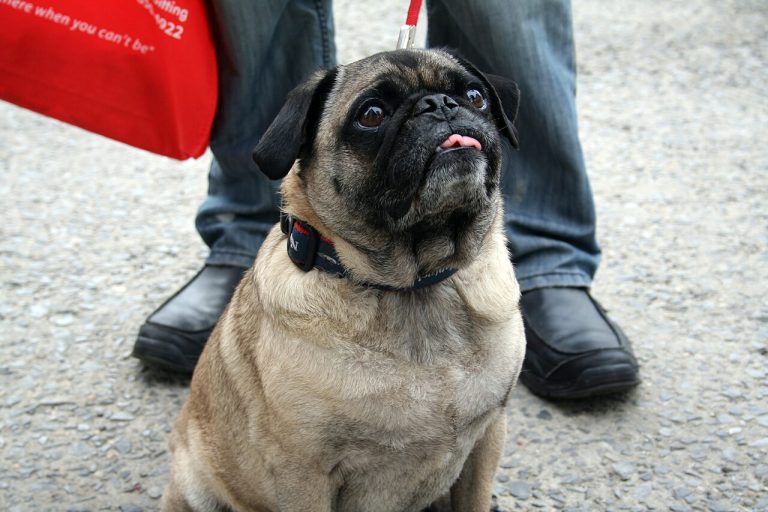
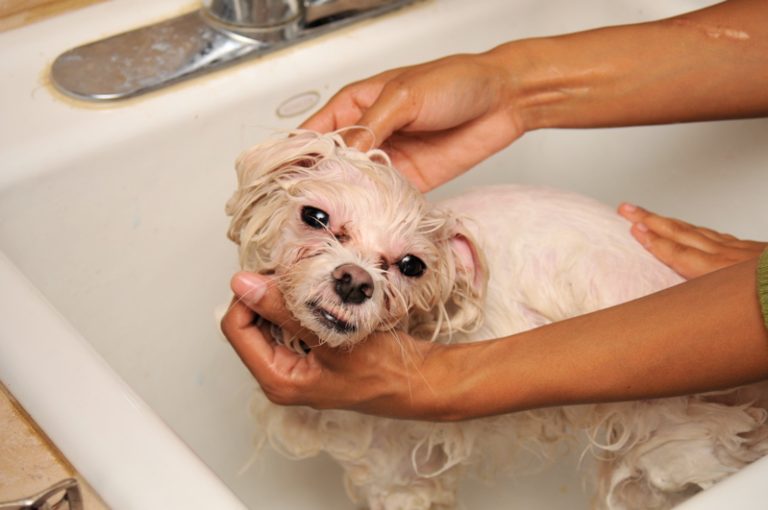
Dental disease is democratic, but it is hardest on small breeds, and the arithmetic explains it: the same forty-two teeth crowd into a fraction of the jaw, food packs into the tight spots, and the dogs live long enough for slow damage to compound. If you share your home with a Yorkshire Terrier, Chihuahua, Maltese, Pomeranian, or Miniature Poodle, daily brushing is close to a medical prescription. Flat-faced breeds like the Pug and Shih Tzu crowd the same teeth into even stranger geometry and join the priority list.
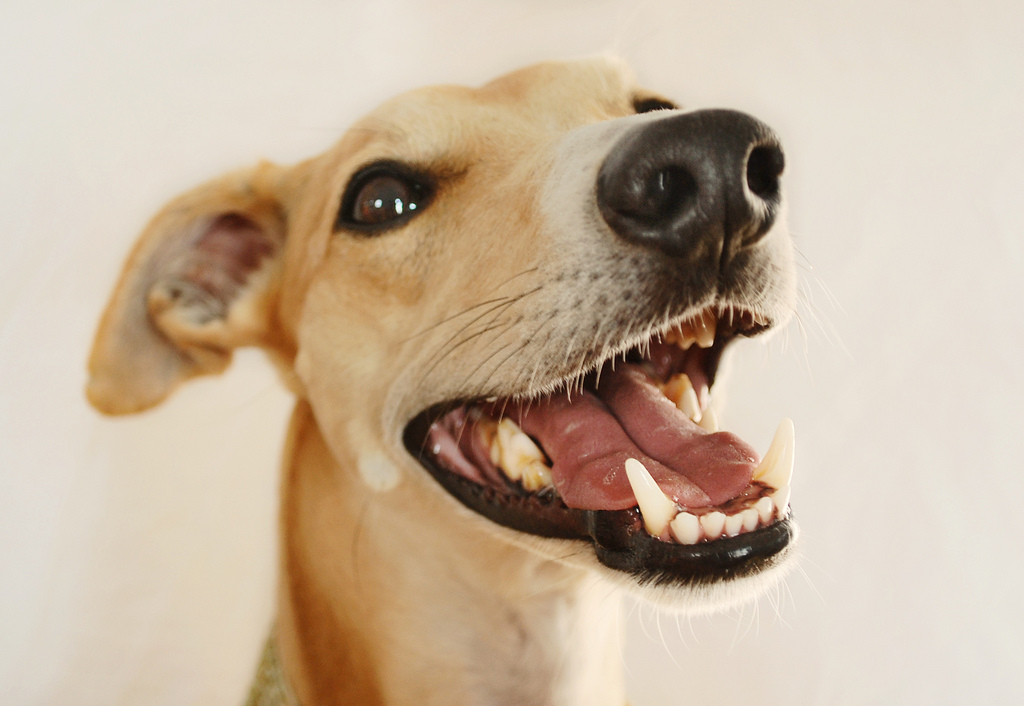
How to Actually Brush a Dog’s Teeth
The trick is to build the habit in stages so the dog votes yes. Week one: dog toothpaste (never human toothpaste, which contains ingredients dogs cannot swallow; the poultry-flavored dog kind is treated as a snack) on your finger, licked off, nothing else. Week two: finger with paste rubbed along the outside of the teeth for a few seconds, big praise. Week three: a soft dog toothbrush or finger brush, short strokes along the gumline, outsides only, because the tongue does a fair job on the insides. Work up to thirty seconds per side. The gold standard is daily; the honest minimum that still helps is several times a week. An adult rescue who finds the whole idea alarming gets the same program at half speed, and usually comes around within a month, because poultry toothpaste is genuinely persuasive.
What Helps Besides the Brush (and What Is Marketing)
Dental chews help when they carry the VOHC seal (the Veterinary Oral Health Council tests products that actually reduce plaque; the seal is worth looking for), and rubber chew toys give the gums honest work. Water additives and “dental” kibbles range from mildly useful to hopeful. What does not help: hard antlers, hooves, and bones, which crack teeth as often as they clean them, and any product promising to replace brushing, because nothing replaces brushing. The wallet math is blunt: a tube of dog toothpaste costs a few euros, and a dental extraction under anesthesia costs hundreds.
Professional Cleanings and the Signs You Are Late
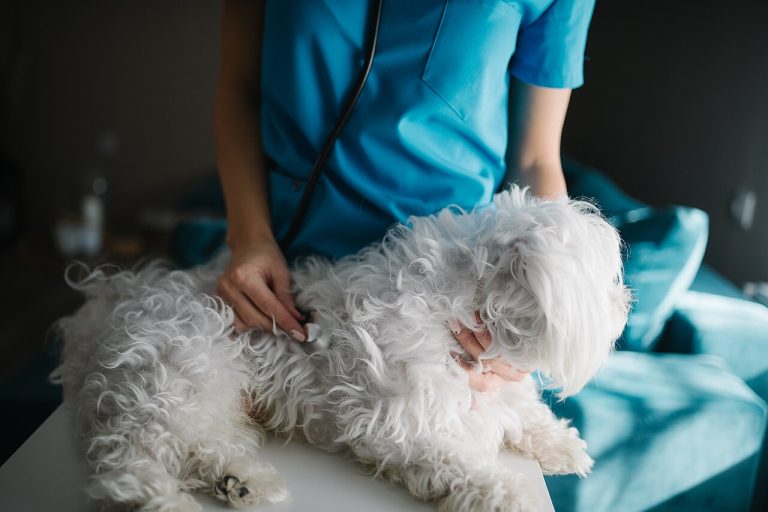
Even well-brushed teeth eventually need a professional cleaning under anesthesia, where the vet can clean below the gumline and x-ray the roots where the real trouble hides; many dogs need this every year or two, small breeds more often. Anesthesia-free “cleanings” scrape the visible tartar and miss the disease, which is why veterinary dentists warn against them. And know the signs that the mouth already hurts: breath that has gone from doggy to foul, red or bleeding gums, brown crust at the gumline, dropping food, chewing on one side, or a dog that suddenly dislikes having its face touched. Any of those is a vet appointment, not a resolution to brush more.
Your breed’s guide covers its specific dental workload, and if you are choosing a small companion breed, budget the tooth time along with the grooming. Their long lives are the reward; the brush is the rent.