Pug Dog Breed Guide
The old breed motto is “multum in parvo,” a lot of dog in a small space, and nobody who has lived with a Pug has ever asked for a refund on that promise. Pugs were bred for two thousand years to do exactly one job: sit with people and make them laugh. They are still the best in the world at it. The modern conversation around the breed also has to include the flat face and what it costs, so this guide covers the comedy and the fine print together.
| Size | Small |
|---|---|
| Weight | 14–18 lb |
| Lifespan | 13–15 years |
| AKC Group | Toy |
| Energy Level | Low |
| Good with Kids | Excellent |
| Shedding | Heavy |
| Trainability | Moderate |
Temperament & Personality
A Pug’s career is you. It will follow you through the house on little clicking feet, wedge itself against your hip on the couch, and study your face with those enormous eyes until it figures out what mood needs managing. Pugs are famous clowns, and the comedy is deliberate: they learn what makes you laugh and repeat it. The head tilt, the spin, the theatrical sighs when dinner runs late. Nothing about this breed is accidental charm; it is two millennia of professional companionship.
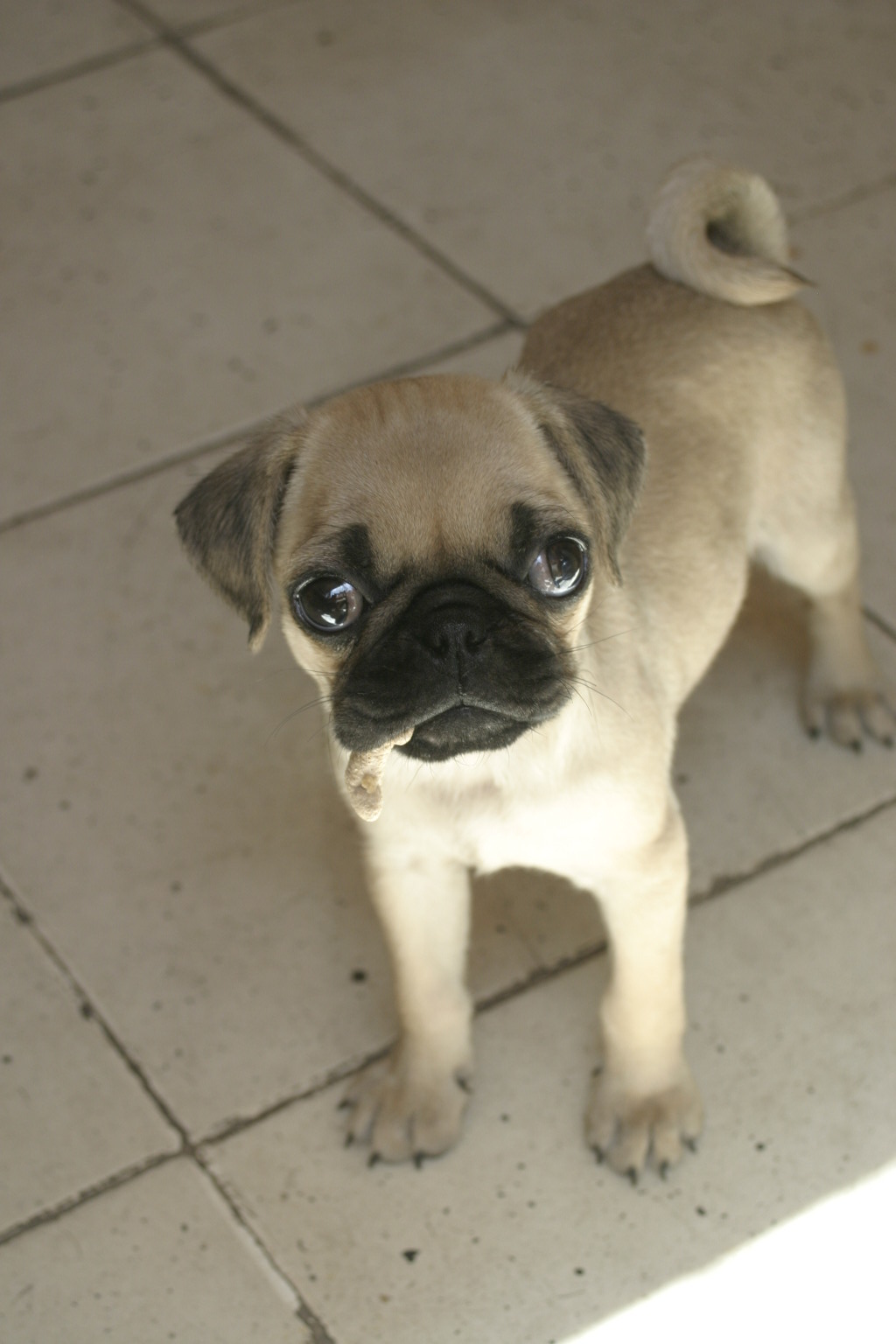
They are superb with children, patient, sturdy for their size, and completely without the snappishness some toy breeds carry. Strangers are greeted as overdue friends and other pets as acceptable staff. The flip side of all this sociability is that a Pug alone is a sad, vocal creature; this breed needs company the way other breeds need exercise. And the soundtrack is not optional: Pugs snore, snort, wheeze, and grumble their way through life, a noise owners come to love and guests find alarming.
Health & Lifespan
Read this part twice, because loving Pugs responsibly means knowing it. The flat face means brachycephalic airway syndrome: narrowed nostrils and a long soft palate that make breathing loud at rest and genuinely dangerous in heat. A warm, humid afternoon walk can become an emergency for a Pug, so summers happen at dawn, at dusk, and indoors. Those prominent eyes are beautiful and exposed; scratches, ulcers, and dry eye are routine Pug problems, and any squinting deserves a vet visit the same week. Skin folds need cleaning or they brew infections, and some lines carry serious conditions like Pug dog encephalitis and spinal malformations, which is why breeder health testing, or a rescue’s honest medical file, matters more here than in most breeds.
The everyday battle is simpler: food. A Pug is a professional beggar with a face built for the job, and obesity multiplies every other risk it carries, from airway to joints. Measure meals, count treats against the ration, and keep a monthly hand on the ribs. Lean Pugs live 13 to 15 good years; round ones live fewer and breathe worse the whole time. Pet insurance, as with all flat-faced breeds, earns its premium.
Training & Exercise
Pugs are smart and food-motivated, which sounds like a trainer’s dream until you meet the stubborn streak. A Pug will do anything for a treat, once, and then renegotiate terms. Keep sessions short and silly, pay well, and treat house-training as a long-term project measured in months of consistency. Harness, never a collar, for a breed with an airway like this. Socialization is the easiest job in dogdom, since the average Pug assumes every gathering was organized in its honor.
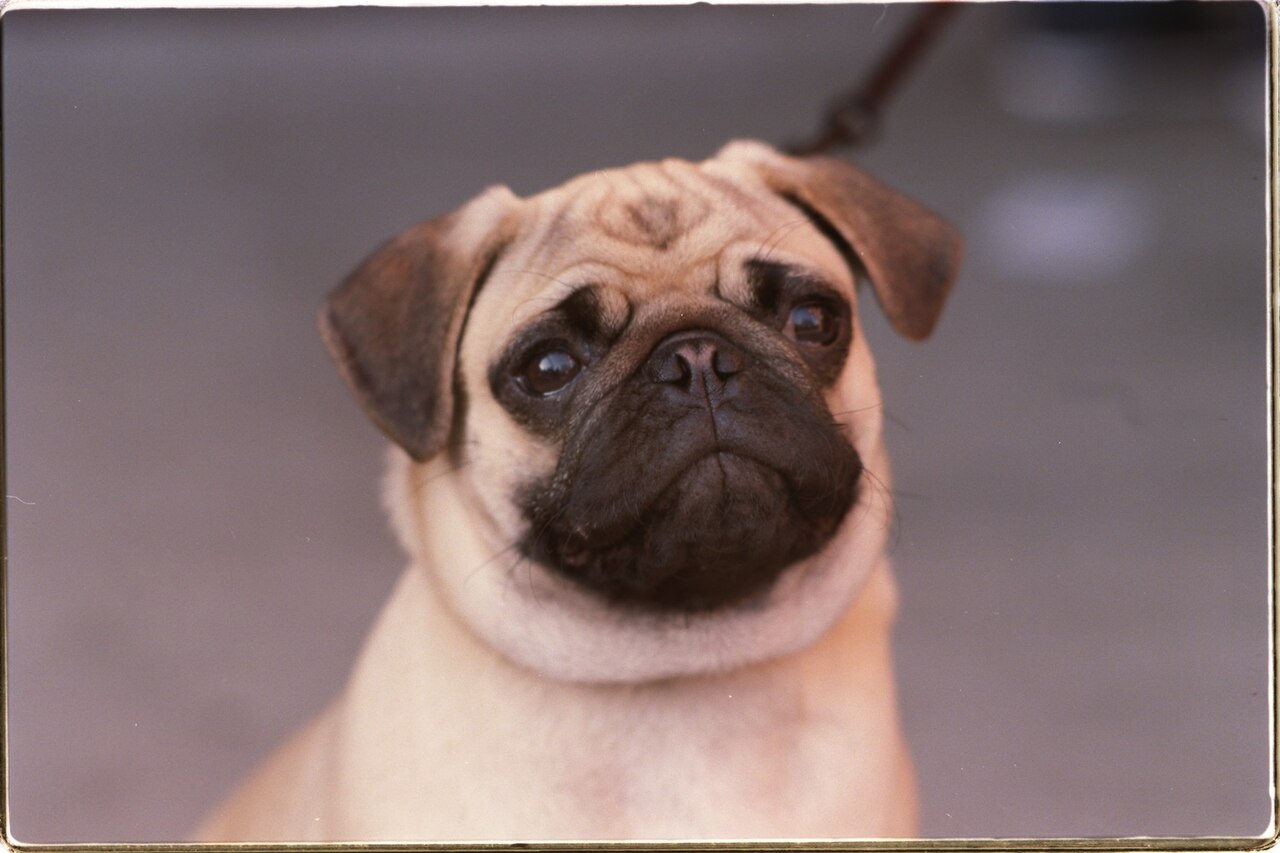
Exercise is two or three easy walks and a play session, 30 to 40 minutes a day, always weather-checked. In summer the walk happens early or not at all, and a Pug that starts loud breathing or lagging gets carried home, no debate. Like the French Bulldog, Pugs and water are a supervised combination at best. What they lack in athletics they repay in enthusiasm for indoor games, which conveniently double as the weight-management program.
Grooming
Here is the surprise nobody warns first-time owners about: this short-coated little dog sheds like a husky. Pug fur is a double coat in miniature and it lets go year-round, so a weekly session with a rubber curry brush (more during spring and fall) and a decent vacuum are part of the deal. The real grooming work is the face: wipe and thoroughly dry the nose-roll fold every few days, keep an eye on those eyes daily, clean ears weekly, trim nails, and brush teeth, because toy jaws crowd teeth into trouble. Fifteen minutes a week, plus vigilance. No groomer required.
Is the Pug Right for You?
A Pug is the right dog for apartments, families with kids, seniors, and anyone whose ideal evening includes a warm dog snoring against their leg. It is the wrong dog for runners, for hot climates without air conditioning, for the house-proud (the hair is real), and for anyone who cannot budget for flat-faced vet care. If you love the shape but want a bit more athleticism, meet the Boston Terrier; for a longer-nosed lap companion, the Shih Tzu brings similar devotion with different grooming math. Pugs turn up in rescue when the vet bills surprise someone, and an adopted adult Pug does not sulk about its history. It finds the couch, finds your lap, and resumes its life’s work as though the interruption never happened.
Adopt a Pug
Somewhere near you, a Pug is snoring in a kennel, saving up jokes for its next audience. Shelters and rescues list new dogs every day.