Pomeranian Dog Breed Guide
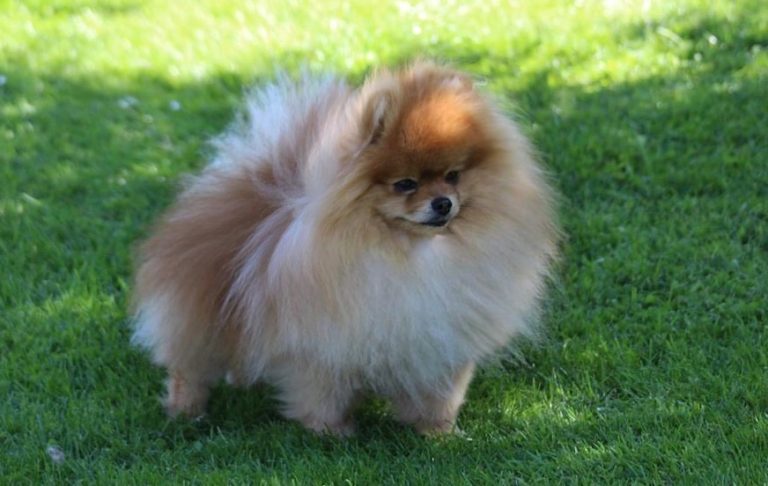
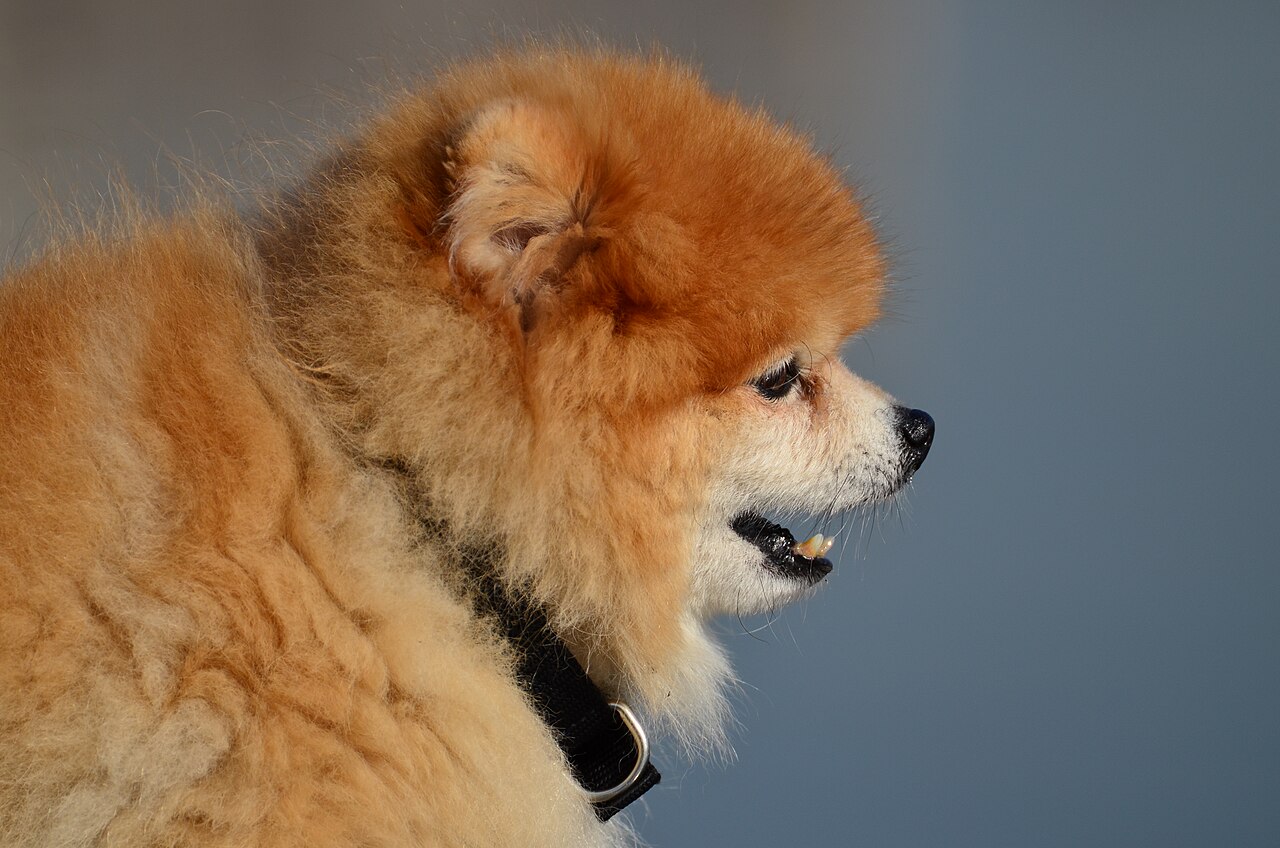
Somewhere inside every Pomeranian is a sled dog that never got the memo about the downsizing. The breed descends from big spitz working dogs of the Arctic, and though Queen Victoria’s kennel shrank it to under seven pounds, nobody shrank the personality. A Pom patrols its household like it weighs ninety pounds, announces visitors like it is paid per bark, and assumes, correctly, that it is the main character. It is a lot of dog in a very small, very fluffy envelope.
| Size | Small |
|---|---|
| Weight | 3–7 lb |
| Lifespan | 12–16 years |
| AKC Group | Toy |
| Energy Level | High |
| Good with Kids | Moderate |
| Shedding | Heavy |
| Trainability | Very Good |
Temperament & Personality
Poms are busy, bright, and theatrical. Yours will learn your routines to the minute, escort you importantly from room to room, and treat the arrival of the mail as an event requiring commentary. That watchfulness is authentic spitz heritage, and it means the barking question is not whether but how much; teaching a “quiet” cue early is the difference between a charming alarm system and a very small siren with opinions.
The table says “Moderate” with kids, and it is worth taking seriously: a Pom is sturdy in spirit only. A three-pound body does not survive being dropped or sat on, so this is a breed for households with older, careful children or none at all. With its own family a Pom is affectionate, playful into old age, and perfectly happy to be the only dog, though most coexist fine with pets that respect their obvious authority.
Health & Lifespan
Poms are long-lived little dogs, 12 to 16 years, with a health list that is mostly small-dog classics. Luxating patellas (kneecaps that slip) are common; a vet can grade them in minutes, so ask. The trachea is delicate, which is why a Pomeranian should walk on a harness, never a neck collar; a persistent goose-honk cough is the warning sign of tracheal collapse. Some lines carry alopecia X, a cosmetic but startling coat-loss condition nicknamed “black skin disease.”
The biggest everyday battle is dental. Tiny jaws crowd teeth, and untreated dental disease shortens toy-breed lives more than owners realize, so daily brushing and periodic vet cleanings are genuinely important rather than optional polish. Keep meals measured (obesity strains those kneecaps), keep vaccinations and heartworm prevention current, and if you are buying a puppy, ask the breeder about patella and cardiac checks on both parents. Adopting? Ask for the dental history along with the usual records.
Training & Exercise
Poms train brilliantly when you take them seriously. This is a clever, eager little dog that learns tricks fast, loves an audience, and excels in obedience and agility rings scaled to its size. The classic mistake is skipping training because the dog is small; an untrained Pom becomes a tyrant with a security deposit’s worth of opinions. Treat it like a real dog: reward-based sessions, clear rules, early socialization, and a firm household policy that barking concerts end when asked.

Exercise is easy to provide and easy to underestimate. Two short walks and some living-room fetch, 30 to 40 minutes total, cover the body; puzzle toys and trick training cover the busy brain, which is the part that gets a Pom into trouble when idle. Watch the heat, since that coat was engineered for the Baltic, and watch the sky: in hawk country, a three-pound dog does not go outside alone. That is not folklore; toy-breed owners in rural areas treat it as standard practice.
Grooming
That glorious double coat needs brushing two or three times a week down to the skin, not just over the top, or the undercoat quietly felts into mats. Expect real shedding during seasonal blows, comic for a dog this size, and expect the adolescent “puppy uglies,” a months-long scraggly phase when the puppy fluff leaves before the adult coat arrives. It grows back; new owners panic anyway. A bath every few weeks, regular nail trims, daily tooth brushing, and a professional tidy-up every couple of months keep everything civilized. Never shave a Pom for summer; the coat insulates both ways and does not always regrow properly.
Is the Pomeranian Right for You?
A Pom suits apartments, singles, seniors, and anyone who wants a portable, long-lived companion with cabaret-level personality. It is the wrong choice for homes with toddlers, for people who need silence, and for anyone unwilling to brush a coat or a tooth. If you want the same small-dog devotion with less hair, look at the Chihuahua; for a silkier lap companion with a softer voice, meet the Maltese. Poms land in rescue more than you would guess, often when an owner’s health changes, and an adult Pom rehomes beautifully: the theatrics come with the dog, wherever it lives. Front-row seats are available at your local shelter.
Adopt a Pomeranian
Somewhere near you, a very small dog with very large plans is waiting for a lap and an audience. Shelters and rescues list new dogs every day.