Mixed Breed Dog Dog Breed Guide
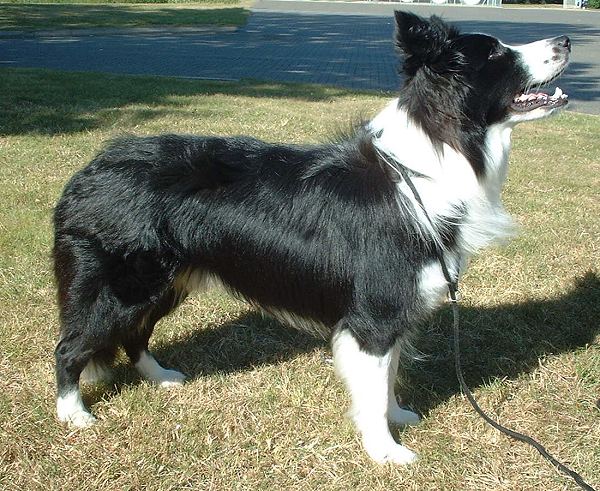
Every other guide on this site describes a recipe. This one describes the dish most people actually live with: the mixed breed dog, the mutt, the shelter special, the best-selling dog in the world by an enormous margin. There is no standard, no club, and no brochure, and that is precisely the point. What a mixed breed offers instead is a one-of-one animal, often with the genetic rough edges of purebreeding sanded down, waiting in numbers at every shelter in the country. This guide is about choosing one well and reading the dog in front of you.
| Size | Varies |
|---|---|
| Weight | Varies |
| Lifespan | 10–15 years |
| AKC Group | Mixed / Rescue |
| Energy Level | Varies |
| Good with Kids | Varies |
| Shedding | Varies |
| Trainability | Varies |
Temperament & Personality
A mixed breed’s temperament is not random; it is written in the dog, not the pedigree, and it is readable. The single most valuable information source in the shelter system is a foster home: people who have watched the actual dog live in an actual house and can tell you whether it likes cats, guards food, adores kids, or hides from thunderstorms. Adult dogs are honest goods, since what you meet is broadly what you get, while shelter puppies of mysterious parentage are a delightful gamble on final size and drive.

Reading a mix helps you predict the software: herding-shaped dogs tend to circle and stare, hound-shaped ones follow their noses out of gates, bully-shaped ones lean on you affectionately with their whole souls. A cheap DNA test satisfies curiosity and occasionally flags breed-specific health risks, but watching the dog for a week teaches you more. The one universal: mixed breeds bond exactly as hard as purebreds. The dog does not know it lacks papers.
Health & Lifespan
Mixed breeds enjoy a real but modest statistical edge: studies show lower rates of many single-gene disorders than purebreds, thanks to the genetic shuffle, and mid-sized mutts in particular are famously durable, with 10 to 15 years typical and small mixes often exceeding it. The edge is not immunity. A shepherd mix can inherit shepherd hips, a doodle mix can inherit poodle eyes, and size still rules lifespan, with bigger mixes living shorter lives than smaller ones.
Practical care is therefore shaped by what the dog resembles: deep-chested mixes get the bloat briefing (two calm meals, know the emergency signs), floppy-eared mixes get weekly ear checks, tiny mixes get the toy-breed dental regimen. Shelters hand over vaccine and spay/neuter records as standard, and most screen for heartworm; ask for everything in writing. From there the universal medicine applies to every dog ever born: lean weight, measured meals, dental care, and a vet who sees the dog yearly, twice yearly in the gray-muzzle era.
Training & Exercise
Mixed breeds learn exactly the way purebreds do, with reward-based methods, short cheerful sessions, and consistency, and shelter adults frequently arrive with a head start: house manners, leash basics, and a hard-earned appreciation for stability that makes them famously devoted students. Give any newly adopted dog the “3-3-3” grace period (three days to decompress, three weeks to learn the routine, three months to fully settle) before judging its true personality, and start training gently from day one anyway.
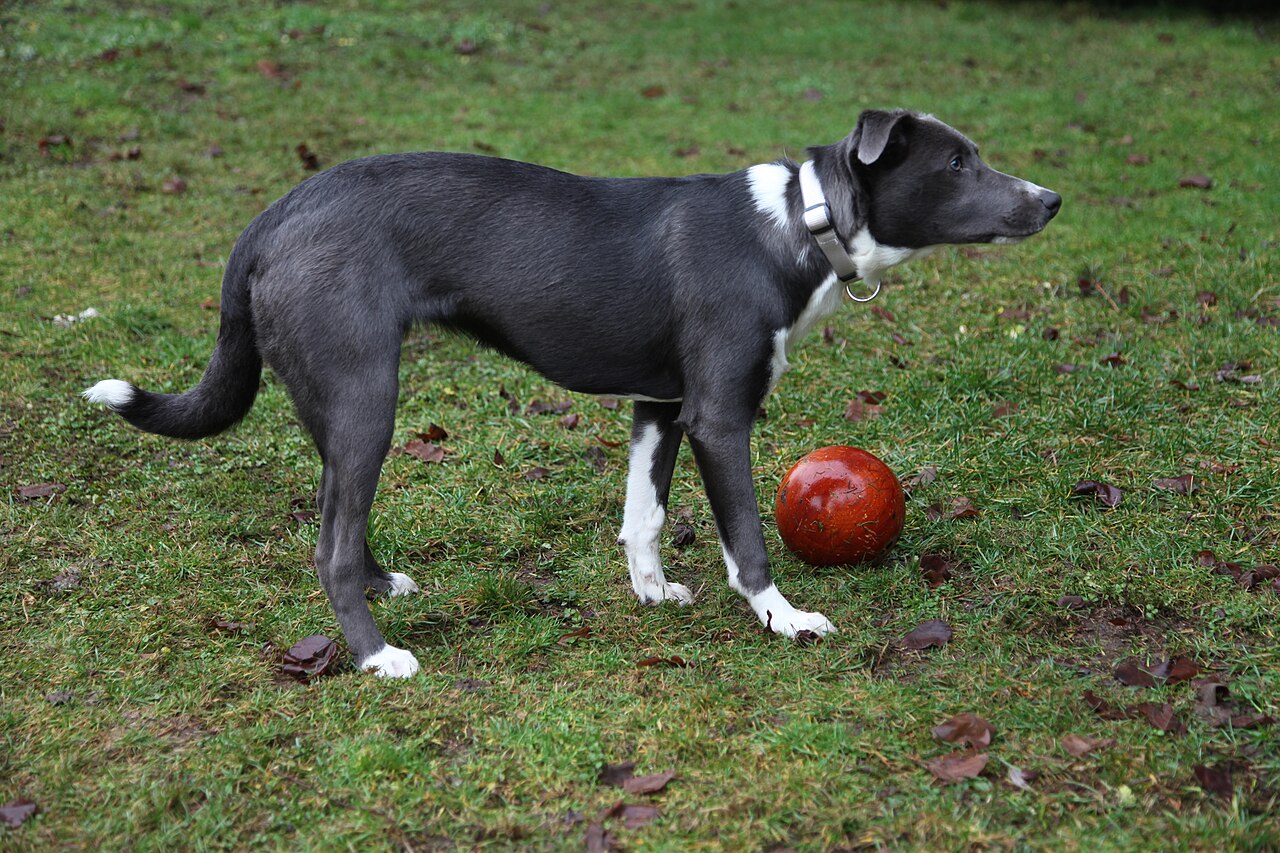
Exercise needs follow the ingredients: read the body and the behavior, then feed the need. A houndy mix wants sniffing mileage, a herdy mix wants a job and will invent one otherwise, a bully mix wants a good walk and then your couch. Start with 45 to 60 minutes daily and adjust to the dog in front of you, adding mental work (puzzle feeders, nose games, trick training) which every mix on earth benefits from. The dog will tell you when the budget is right: a settled evening is a paid invoice.
Grooming
Grooming is coat-by-coat: smooth coats take a weekly rubber-mitt pass, double coats want an undercoat rake and shed seasonally, scruffy terrier-ish coats need brushing plus an occasional tidy, and curly poodle-type coats mat without every-other-day brushing and a regular professional clip, exactly like their purebred cousins. The universals are nails every couple of weeks, weekly ear checks (especially floppy ears), and tooth brushing scaled up in urgency as the dog scales down in size. One genuine mutt perk: the medium, unexotic coat most mixes wear is the lowest-maintenance in dogdom.
Is a Mixed Breed Right for You?
If what you want is a good dog, rather than a specific silhouette, the answer is almost certainly yes, and the process is the advantage: instead of choosing a breed and hoping the individual matches the brochure, you choose an individual whose personality is already on display. Tell the shelter or rescue the truth about your household (hours away, kids’ ages, other pets, energy budget) and let them match you; they are better at it than the internet is. If you do have a silhouette in mind, breed-specific rescues are full of purebreds too, and our guides for the Labrador Retriever, Border Collie, and every breed between can help you read whatever mix of them wags at you from a kennel. Somewhere near you is a dog that exists exactly once in the history of the world. It would like to meet you.
Adopt a Mixed Breed Dog
One-of-a-kind dogs are the specialty of every shelter on earth. New dogs are listed every day.