Samoyed Dog Breed Guide
The Samoyed smile is not marketing. The upturned mouth corners are a real feature with a real job: they stop drool from freezing on the face at Siberian temperatures. That detail tells you everything about this breed, an Arctic workhorse that herded reindeer, hauled sledges, and slept in the tents at night warming the children of the Samoyede people. Thousands of years of living inside the family, not outside it, produced one of the most genuinely people-loving dogs on earth, wrapped in a cloud that sheds.
| Size | Medium |
|---|---|
| Weight | 35–65 lb |
| Lifespan | 12–14 years |
| AKC Group | Working |
| Energy Level | High |
| Good with Kids | Excellent |
| Shedding | Heavy |
| Trainability | Good |
Temperament & Personality
Sammies are tent dogs, and your house is the tent. They want in on everything: the cooking, the homework, the argument about the thermostat, contributing commentary in the breed’s expressive talk-howl when they feel underconsulted. With children they are patient and playful in the best Arctic-nanny tradition, and with strangers they are hopeless guards, greeting intruders as understaffed guests. Bred to work in cooperative teams beside humans, they carry less of the aloof independence of their husky cousins, and more need for company.
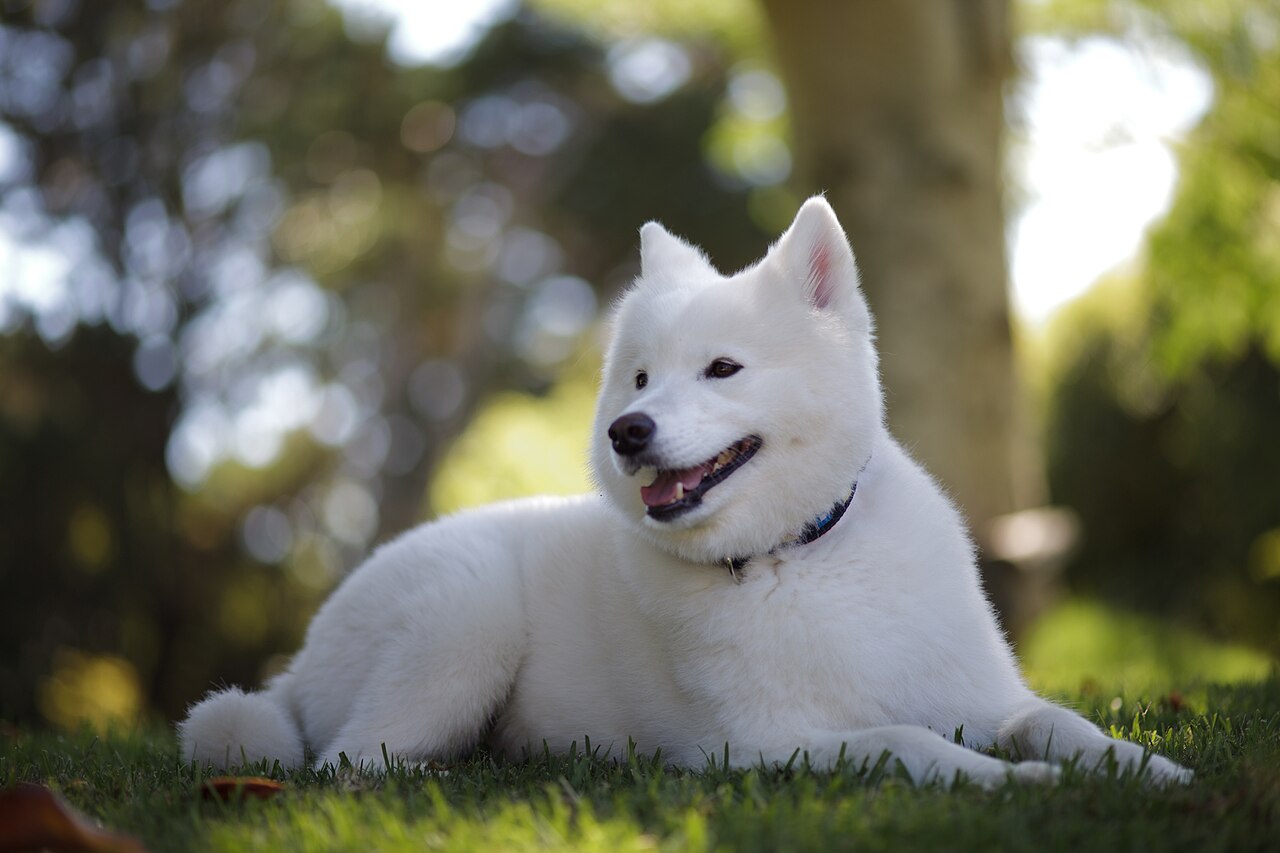
The honest list is standard northern-breed fare, softened one notch: Sammies bark and talk more than most (the reindeer needed telling), dig cooling pits in summer lawns, shed on a geological scale, and retain enough herding instinct to escort running children by the sleeve. Alone all day they wilt audibly; the neighbors will describe it to you. None of it is misbehavior. It is a tent dog checking where its tent went.
Health & Lifespan
Samoyeds are sound dogs, typically reaching 12 to 14 years, with a short specific list. The breed’s namesake condition, Samoyed hereditary glomerulopathy, is a serious kidney disease with a DNA test that responsible breeders run on all breeding stock; ask to see it. Hips carry the usual medium-large risk (OFA or PennHIP paperwork), eyes deserve clearances for PRA, and diabetes occurs in the breed more than average, so middle-aged weight gain plus excessive thirst is a blood test, not a diet plan.
Management is thermal and dental in that order. The coat handles cold heroically and heat badly: summer exercise moves to dawn and dusk, shade and water always, and no shaving ever, since the white coat insulates against sun as well as frost and regrows unreliably. Keep the athlete lean, brush the teeth, check ears weekly, and this is a breed that mostly spends its vet budget on routine visits.
Training & Exercise
Sammies sit in the friendly middle of the northern-breed trainability scale: more cooperative than a Siberian Husky, more opinionated than a retriever. They learn quickly for trainers who keep it warm and rewarding, and go conveniently deaf for drill sergeants. Work on the barking early with a solid quiet cue, socialize generously (easy, given the breed’s assumption that everyone is a friend), and treat recall as aspirational off leash; the sled-dog running gear is still installed.
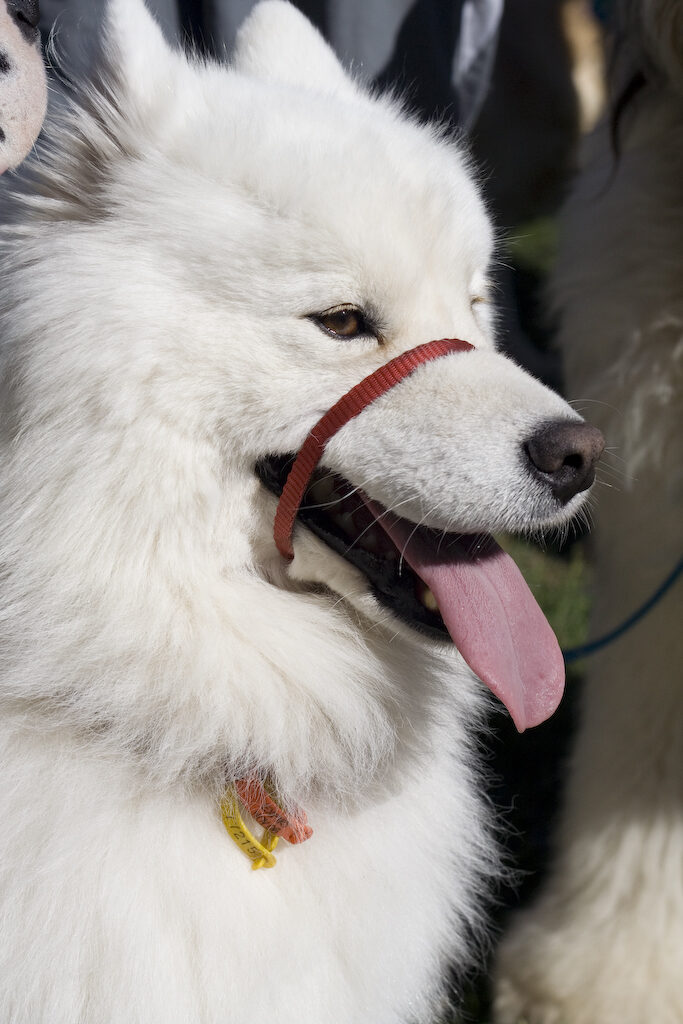
Exercise runs about an hour to ninety minutes daily: brisk walks, play sessions, hikes, and in winter the breed’s birthright, pulling. Skijoring, sledding, or just hauling the kids’ toboggan turns a Samoyed’s lights all the way on, and a snowy backyard becomes a one-dog festival. Mental work fills the gaps; a bored Sammy landscapes and lectures. A tired one is a warm, smiling rug with opinions.
Grooming
That white cloud is a serious commitment: thorough brushing to the skin two or three times a week, daily during the twice-yearly blowouts when the undercoat departs in drifts that will genuinely alarm you. Line-brushing with an undercoat rake is the technique to learn, and many owners book a professional bath-and-blowout every couple of months because drying a soaked Samoyed at home is an afternoon with a hair dryer and regrets. The coat is remarkably dirt-shedding and nearly odorless between baths, and spinners famously collect the brushed-out wool for yarn. Ears, nails, teeth complete the routine. White dog, your wardrobe adjusts accordingly.
Is the Samoyed Right for You?
Choose a Sammy if your household is home a lot, active outdoors in most weather, tolerant of conversation and hair, and in the market for the smiling-nanny temperament the breed has honestly earned. Families with kids are the ancestral use case. Skip it for hot climates without serious air conditioning, empty houses, and low-maintenance grooming dreams. If you love the Arctic aesthetic with more independence and less barking, meet the Siberian Husky; for the freight-hauling end of the family, the Alaskan Malamute. Sammies reach rescue when the shedding or the talking outlasted an owner’s patience, and they rehome with their smiles intact. Somewhere near you, a white dog is grinning at a kennel door, certain, correctly, that its tent is out there looking for it.
Adopt a Samoyed
Northern-breed rescues can tell you which Sammy is the talker and which is the cuddler; most are both. Shelters and rescues list new dogs every day.