Bichon Frise vs Maltese: Which Little White Dog Fits Your Home?
Two small white companion dogs, both ancient Mediterranean breeds, both barely shedding, both allergic to being alone. From across the room a Bichon Frise and a Maltese can pass for cousins, and they are. The differences that matter live in size, coat texture, and sturdiness, and they decide which of these two centuries-old lapdogs actually fits your household.
| Bichon Frise | Maltese | |
|---|---|---|
| Weight | 12–18 lb | 4–7 lb |
| Lifespan | 12–15 years | 12–15 years |
| Coat | Curly, plush double coat | Straight, silky single coat |
| Energy Level | Moderate | Moderate |
| Shedding | Very Low | Very Low |
| Trainability | Very Good | Good |
| Good with Kids | Excellent | Moderate (older kids) |
The Size Difference Is the Real Difference
A Bichon at fifteen pounds is a small dog; a Maltese at five pounds is a fragile one. That single fact settles most household questions. The Bichon can live with well-taught children, absorb a clumsy hug, and hold its own in dog-park company. A Maltese under a running eight-year-old is an injury waiting for coordinates, which is why breeders and rescues alike steer families with young kids toward the Bichon and reserve the Maltese for calm homes, couples, and seniors, where it is arguably the perfect dog: light enough for any lap, gentle to its core, devoted to one or two people with medieval intensity.
Two White Coats, Two Different Jobs
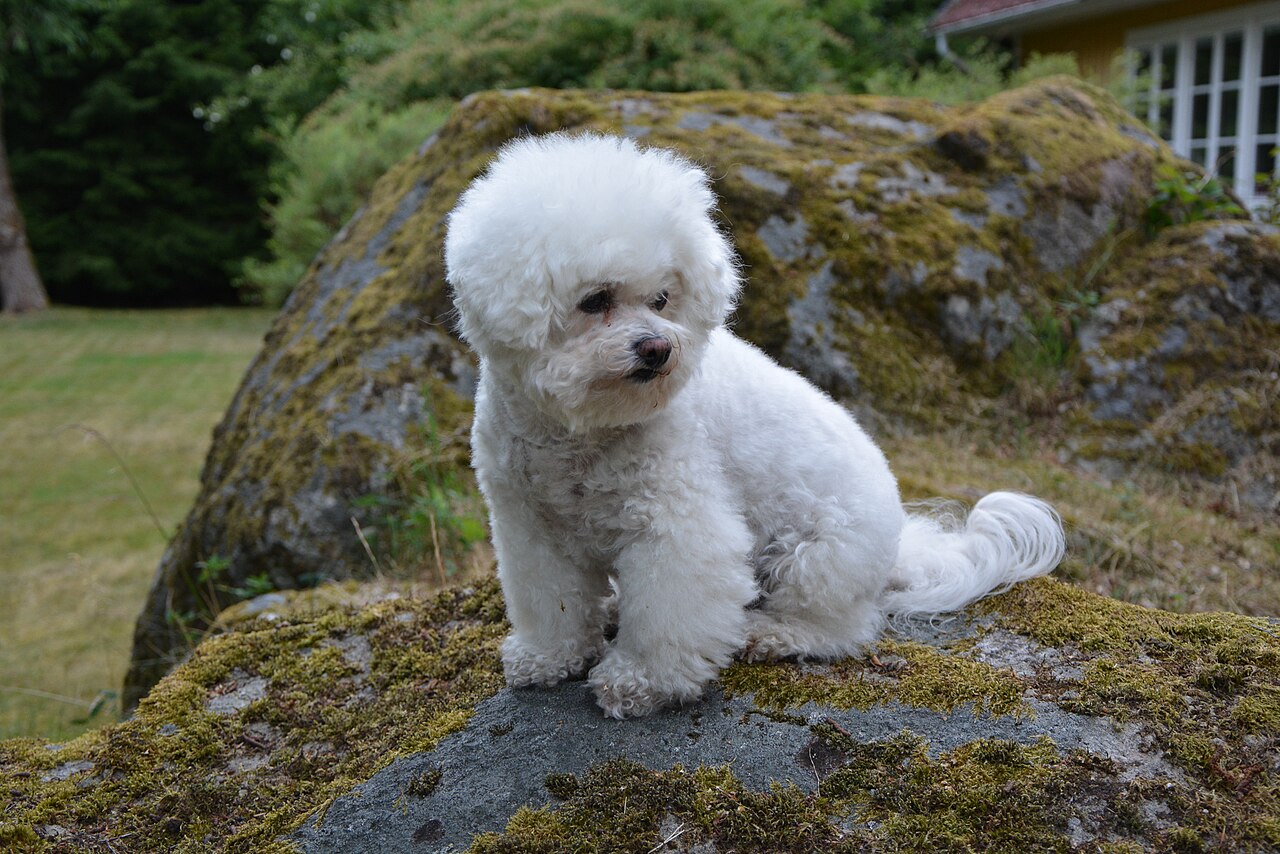
Both breeds barely shed, which earns them their spots on every hypoallergenic list including ours, but the maintenance differs. The Bichon’s curly double coat traps shed hair inside itself; skip brushing for a week and you get felt. It needs a professional groom every four to six weeks, no negotiation. The Maltese grows silky human-like hair that either flows to the floor (gorgeous, and a daily-brushing lifestyle) or gets clipped into a puppy cut that most owners settle on by month three. Tear staining is the Maltese’s cosmetic tax; daily face wipes manage it.
Temperament: Clown vs Courtier
The Bichon performs. It invented a move breeders literally call the Bichon Blitz, a sudden joyful tear around the living room, and it treats guests as an audience. It is also slightly easier to train and more socially generous with strangers and other pets. The Maltese attends. It has spent two thousand years perfecting the art of being with its person, and its default state is within touching distance of you. Both breeds house-train slowly (small bladders, stubborn streaks), and both fail miserably at being left alone all day. Neither belongs in a house that is empty from eight to six.
Which One Belongs in Your House?
Choose the Bichon Frise if your household includes children, other pets, or frequent visitors, and you want a sturdy little extrovert who thinks life is a show; commit to the grooming calendar. Choose the Maltese if your home is calm, your lap is available, and you want the gentlest five pounds in dogdom. If you like the Bichon’s cheer but want easier training, look at the Miniature Poodle. Both breeds appear in rescue more than people expect, usually surrendered by owners who underestimated the grooming or the separation anxiety; an adult from a foster home arrives with both already understood.