Shetland Sheepdog Dog Breed Guide
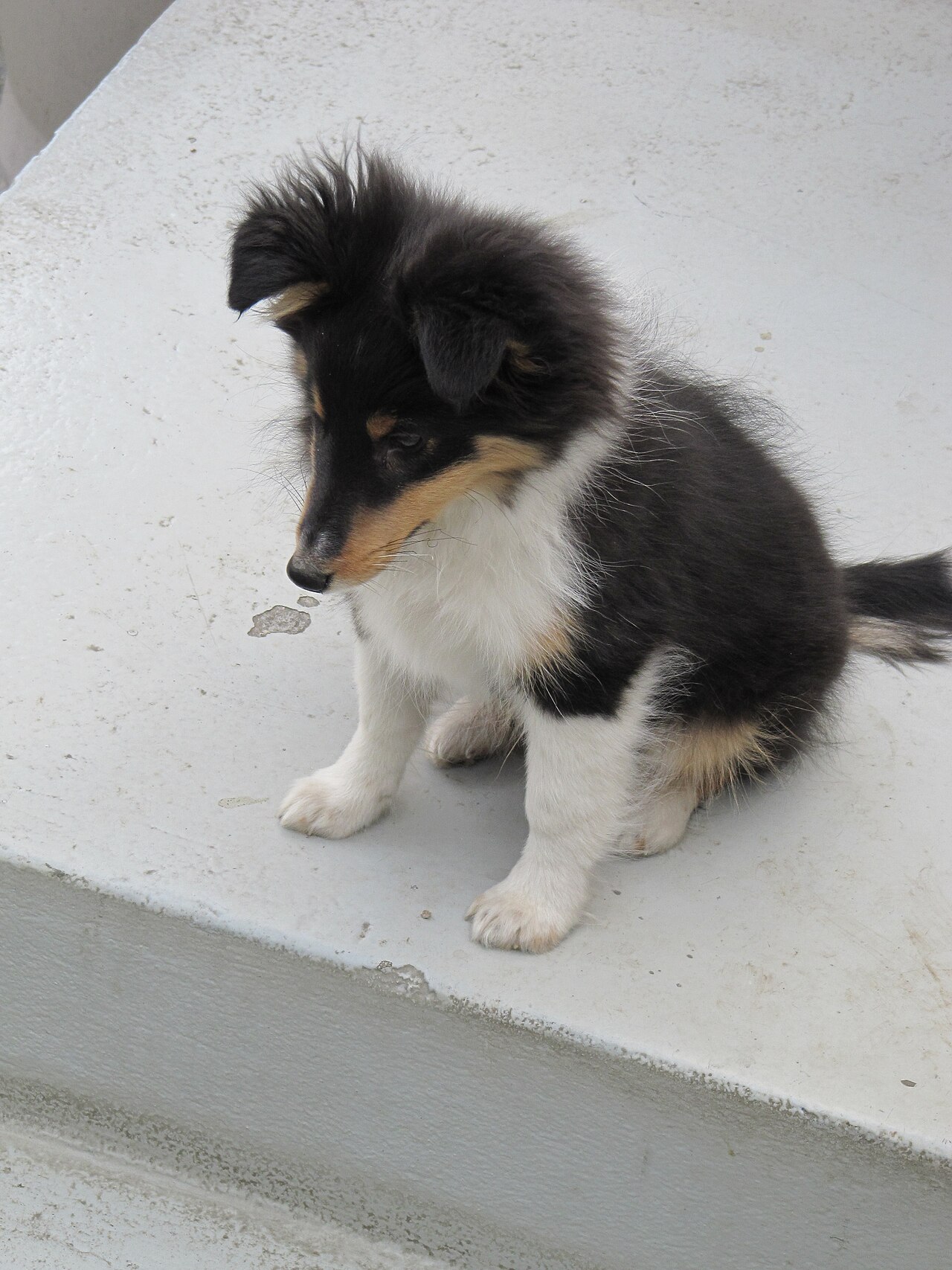
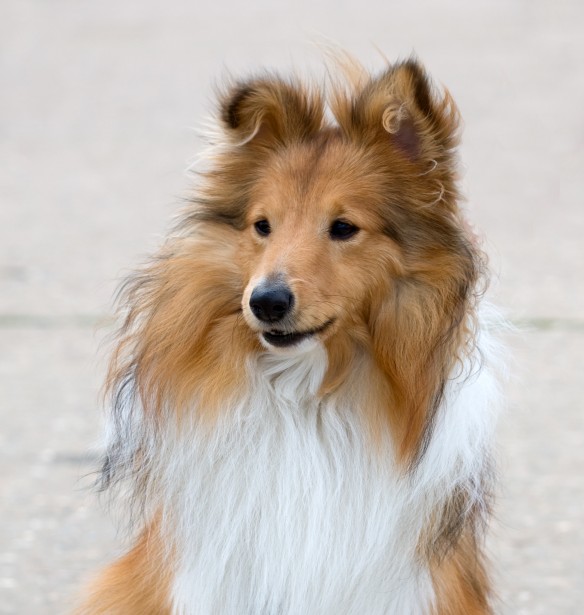
On the windswept Shetland Islands, crofters needed a small, weather-proof herder that could work sheep, mind the children, and warn off anything approaching the croft, and they bred the Sheltie to do all three with an intelligence that still ranks in dogdom’s top ten. The result looks like a Collie that shrank in the wash and behaves like a furry guided missile of devotion: brilliant, sensitive, gorgeous, and equipped with a voice it considers essential professional equipment.
| Size | Medium |
|---|---|
| Weight | 15–25 lb |
| Lifespan | 12–14 years |
| AKC Group | Herding |
| Energy Level | High |
| Good with Kids | Very Good |
| Shedding | Heavy |
| Trainability | Excellent |
Temperament & Personality
Shelties attach to their families with a herding dog’s completeness and a companion dog’s tenderness: this is a breed that reads household moods like weather reports and takes them personally. With its own children it is playful and gentle; with strangers, classically reserved, watching from behind a chair leg until the newcomer clears vetting. Forcing a Sheltie into greetings backfires; letting it approach on its own schedule wins a friend for life.
Now the famous voice, stated honestly: Shelties bark, at arrivals, departures, squirrels, doorbells on television, and concepts. It is crofter’s alarm-dog heritage, it is not fully removable, and it is the single most common reason Shelties land in rescue. A “quiet” cue taught early plus enough daily work manages it; pretending it away does not. Add the herding reflex (circling and heel-checking running children, gently redirected) and a sensitivity that makes harsh treatment genuinely damaging, and you have the whole honest picture of a spectacular small companion.
Health & Lifespan
Shelties are sturdy little herders, 12 to 14 years typically, with a screening list any good breeder covers: hips, thyroid (hypothyroidism is common in middle age; weight gain plus coat change equals a blood test), and eyes, since Collie Eye Anomaly and progressive retinal atrophy both run in the breed and both have DNA tests. Like its herding cousins the Australian Shepherd and Collie, the Sheltie carries the MDR1 drug-sensitivity mutation at meaningful rates: one cheap cheek-swab test, disclosed to every vet forever, closes the issue completely.
Some lines carry dermatomyositis (“Sheltie skin syndrome”), an inflammatory skin and muscle condition breeders should discuss openly, and von Willebrand clotting disease has a test as well. Day to day: keep the weight down (Shelties gain on enthusiasm alone), brush the teeth in that narrow muzzle, and let the breed’s natural durability do the rest.
Training & Exercise
Shelties are among the most trainable dogs on earth: obedience pioneers ranked the breed sixth of all breeds in working intelligence, and modern agility rings are full of flying Shelties proving the point. They live to be taught, learn in a rep or two, and respond to a disappointed tone as if it were corporal punishment, so keep everything positive and the volume low. Recall trains genuinely well by herding-breed standards; the herding nip and the bark budget are the two standing projects.
Exercise runs 60 minutes daily plus mental work, which for a Sheltie is not garnish but the main course: agility (the breed’s signature sport), trick training, herding lessons, puzzle feeders, nose games. A worked Sheltie is calm, quiet-ish, and devoted; an idle one is a fluffy siren with a grievance list. The exercise itself is apartment-compatible in size, which makes this one of the smallest dogs that can genuinely satisfy a dog-sport ambition.
Grooming
That glorious double coat sheds heavily, seasonally catastrophically, and mats in the soft spots behind the ears, in the armpits, and in the britches. The routine: a thorough line-brushing once or twice a week (mist with water first; dry-brushing breaks the coat), daily fifteen-minute sessions during the blows, and mat patrol in the usual hiding places. Never shave a Sheltie; the coat insulates both ways and regrows badly. Baths every couple of months, nails, weekly ears, teeth. The reward for the work is a dog that looks professionally styled by existing.
Is the Shetland Sheepdog Right for You?
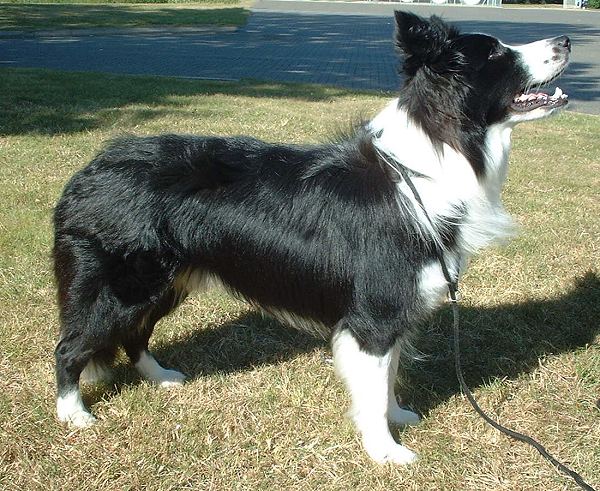
The Sheltie fits gentle households that want a brilliant, devoted, trainable companion in a manageable size: families with considerate kids, dog-sport hobbyists, seniors with energy, and first-timers willing to do the homework. It is wrong for noise-sensitive apartments (be honest about the bark), rough-and-tumble toddler households, and anyone allergic to brushing. If you love the brain at full working intensity, meet the Border Collie; the same herding heart in a bigger frame, the Australian Shepherd. Shelties reach rescue mostly over the barking, arriving sensitive and slightly heartbroken, and they re-attach to a patient new person with everything they have. Speak softly, teach it quiet, brush on Sundays, and you will own the smartest small dog most people never consider.
Adopt a Shetland Sheepdog
Sheltie rescues will tell you each dog’s bark level with admirable honesty. Shelters and rescues list new dogs every day.