Labradoodle Dog Breed Guide
The Labradoodle started as a workplace experiment: in 1989, Australian breeder Wally Conron crossed a Labrador with a Standard Poodle to produce a guide dog for a woman whose husband was allergic. It worked, the name caught on, and the cross conquered the world. Conron himself spent his later years grumbling that he had “opened a Pandora’s box,” not because the dogs are bad, but because the boom outran responsible breeding. That history is the honest frame for this guide: a genuinely wonderful family dog, wrapped in marketing that deserves a skeptical read.
| Size | Medium–Large |
|---|---|
| Weight | 50–65 lb |
| Lifespan | 12–15 years |
| AKC Group | Mixed / Designer |
| Energy Level | High |
| Good with Kids | Excellent |
| Shedding | Very Low |
| Trainability | Excellent |
Temperament & Personality
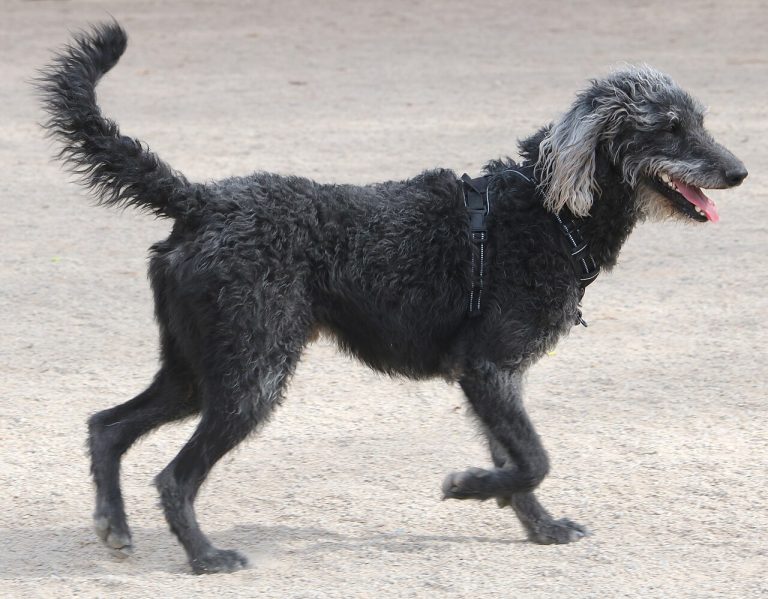
Take the Labrador’s open-door friendliness, add the Poodle’s quick wit, and shake: that is the Labradoodle on a good day, which is most days. These are exuberant, people-centered dogs that adore children, welcome guests like returning war heroes, and bring a bounce to daily life that borders on aerobic. The Lab side contributes the permanent appetite and the conviction that every gathering needs a dog in the middle of it; the Poodle side contributes a thoughtful, watchful intelligence that notices everything you do.
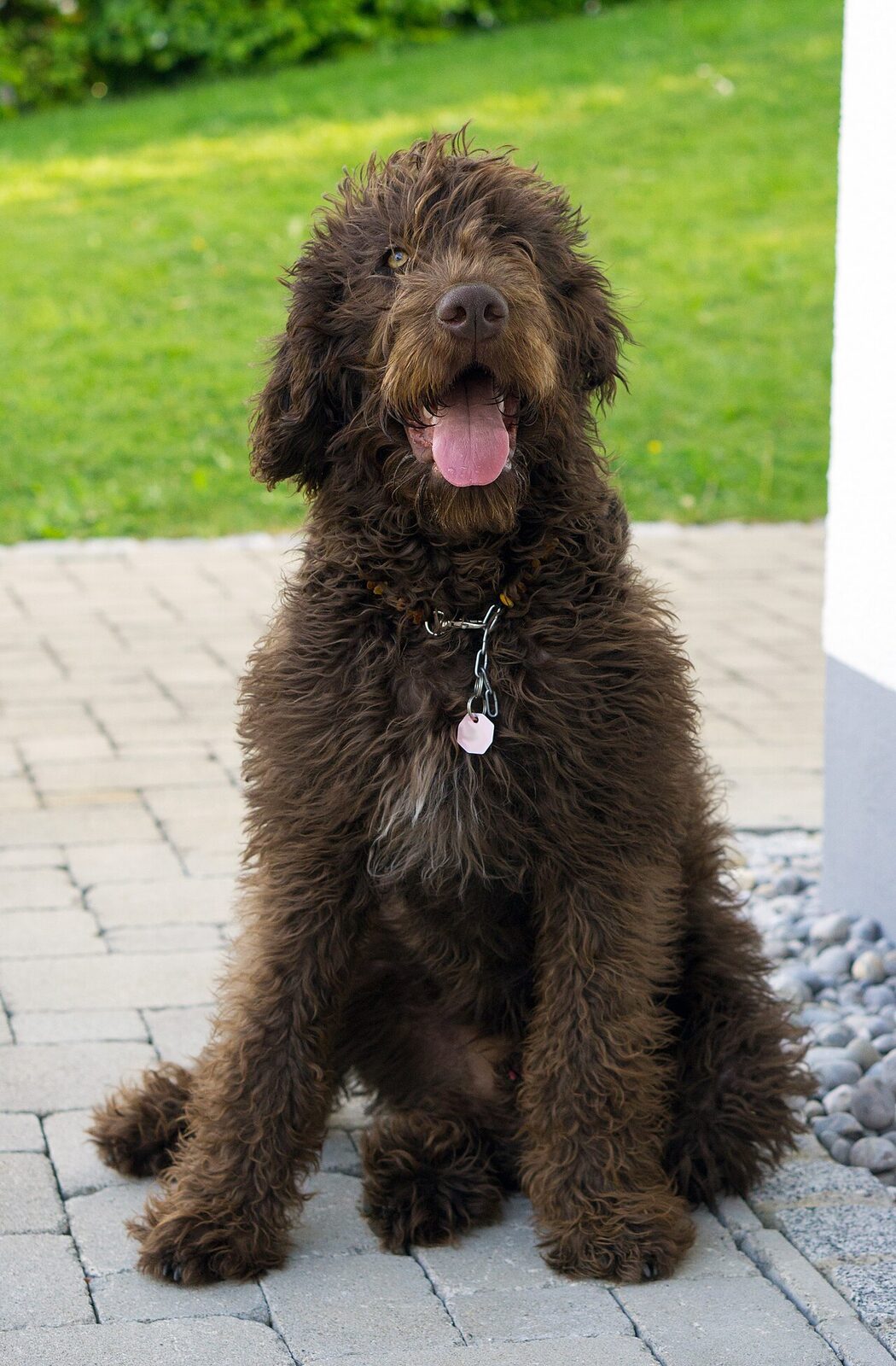
Because this is a cross rather than a standardized breed, individual dogs vary more than purebred buyers expect: some doodles are couch-calm Lab types, others are busy Poodle types, and first-generation litters can contain both. Meeting the actual dog, or asking a rescue’s foster home what they have observed, beats any brochure. The universal traits are the sociability and its cost: Labradoodles do not do long, empty days alone, and a lonely one will chew its opinions into your furniture.
Health & Lifespan
A well-bred Labradoodle lives 12 to 15 years, and “well-bred” is doing real work in that sentence. The cross inherits risk from both parents: hip and elbow dysplasia from the Lab side, eye conditions (PRA) and Addison’s disease from the Poodle side, plus ear infections under those floppy, hairy-canaled ears, which are the breed’s everyday nuisance. The marketing gloss of “hybrid vigor” does not exempt a doodle from any of this, so a puppy buyer should see the same paperwork a purebred buyer would demand: OFA or PennHIP scores and eye clearances for both parents, from a breeder who health-tests rather than merely enthuses.
Ongoing care is standard athletic-dog fare: keep the weight down (the Lab appetite is undefeated), check and dry the ears weekly and after every swim, brush teeth, and watch for the exercise-induced collapse gene that some Lab lines carry, which good breeders test for. Adopting? Ask for vet records and any known history; doodle-specific rescues have grown up alongside the boom and tend to know their dogs well.
Training & Exercise
This is one of the most trainable dogs money or adoption fees can acquire, which is why the cross was invented for guide work in the first place. Labradoodles learn fast, love the game, and forgive beginner mistakes, making them a genuinely good first dog for active households. The projects are managing the exuberance: four-on-the-floor greetings, a solid drop for the things the Lab mouth will inevitably carry, and enough early socialization to point all that friendliness somewhere polite.
Budget 60 to 90 minutes of daily exercise: brisk walks, fetch until your shoulder complains, swimming whenever geography allows (both parent breeds vote for water), and mental work in the gaps. Ten minutes of nose games or a loaded puzzle feeder buys more evening calm than an extra mile. Keep puppy exercise soft and short until the joints close around 15 to 18 months; the bounce arrives long before the skeleton is ready to cash it.
Grooming
The “very low shedding” line on the table is true and gloriously misleading, as every doodle owner learns: hair that does not fall out stays aboard and mats, so the maintenance bill transfers from your vacuum to your calendar. Wavy and curly coats need brushing to the skin every two or three days, daily through the adolescent coat change around a year old, when puppy fluff mats against incoming adult coat in a two-month grooming emergency nobody warns you about. Add a professional clip every six to eight weeks, priced for a large curly dog, and the lifetime grooming spend rivals the purchase price. Ears weekly, teeth, nails, and the standard disclaimer: “hypoallergenic” is a hope, not a promise, so allergy-motivated buyers should spend time with the actual dog first.
Is the Labradoodle Right for You?
The right home is active, sociable, present for much of the day, and honest about the grooming budget. Families with kids are the classic fit, and committed first-time owners do well thanks to that guide-dog trainability. Look elsewhere if the house stands empty, if the grooming line item made you flinch, or if you need guaranteed hypoallergenic (no dog is). If you love the formula with a sunnier, slightly softer edge, meet the Goldendoodle; if you want the brains without the coat lottery, the Standard Poodle is the original article, and the Labrador Retriever offers the heart in a wash-and-wear jacket. The boom Conron regretted keeps rescues stocked with adolescent doodles surrendered over grooming bills and bounce. Adopt one, brush it, run it, and you get the dog the brochure promised, one year further along and grateful for the upgrade.
Adopt a Labradoodle
Doodle rescues can tell you exactly which dog is the calm one and which one is cardio. Shelters and rescues list new dogs every day.