Alaskan Malamute Dog Breed Guide
People confuse Malamutes with Siberian Huskies, and both breeds find this insulting. The Husky is a marathon sprinter built to move light loads fast; the Malamute is the freight engine, bred by the Mahlemut people of Alaska to haul heavy sledges through country that kills the unprepared. Everything about the dog follows from that job: the power, the independence, the wolfish self-possession, and a work ethic that, in a suburban backyard with nothing to do, converts directly into excavation projects and opera.
| Size | Large |
|---|---|
| Weight | 75–100 lb |
| Lifespan | 10–14 years |
| AKC Group | Working |
| Energy Level | High |
| Good with Kids | Very Good |
| Shedding | Heavy |
| Trainability | Moderate |
Temperament & Personality
With people, Malamutes are affectionate, playful, and shameless: this is a breed that greets burglars and dinner guests with the same delighted lean, which is why it makes a magnificent family dog and a comically bad guard. They adore children they are raised with, though their play style is heavy machinery and small kids get bowled over with love. The famous voice is not a bark but a talk: woo-woos, howls, and long editorial grumbles delivered directly to your face when dinner is late or the walk is under discussion.
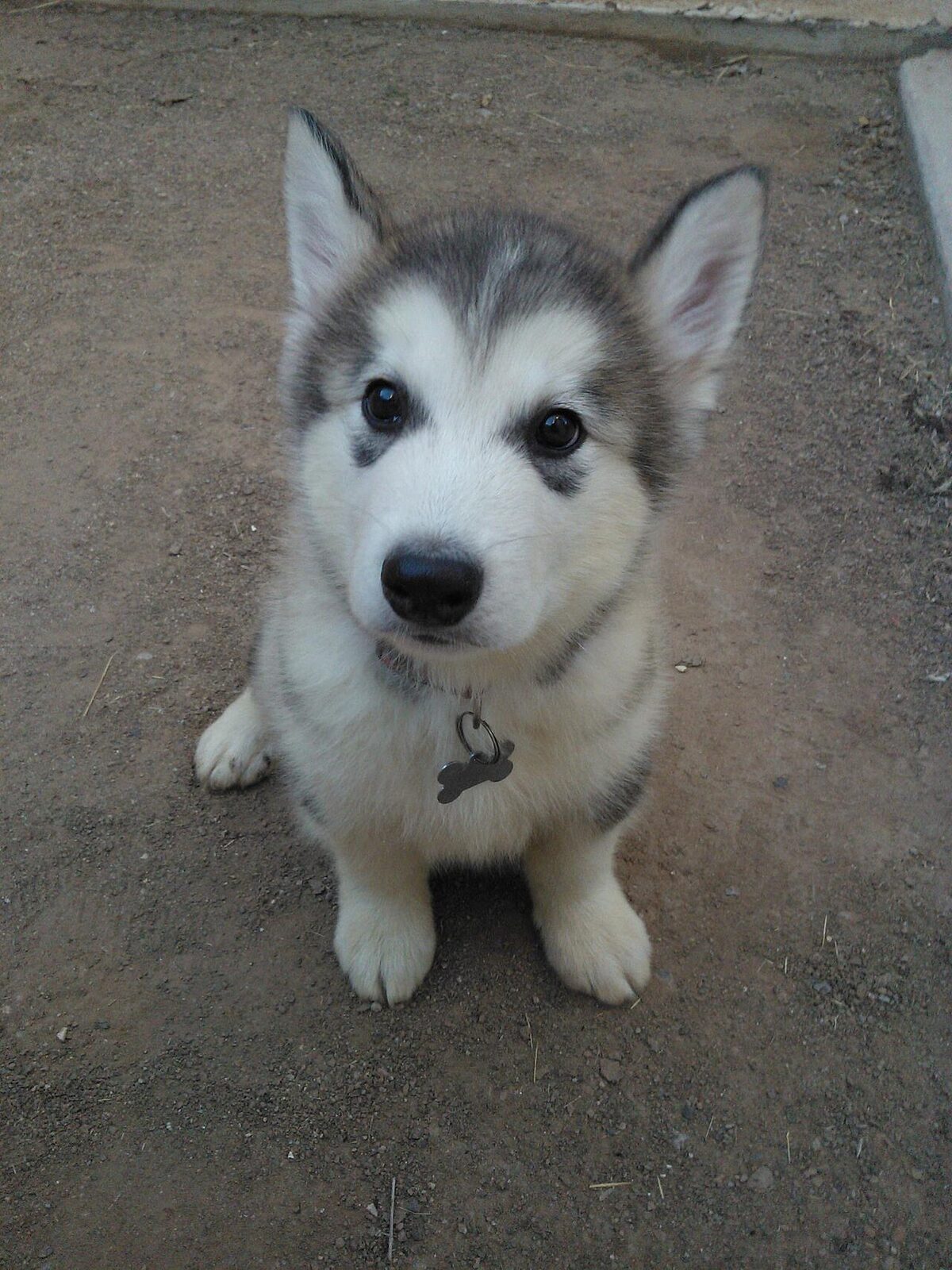
The honest list: Malamutes carry real prey drive (cats and small dogs outside the family are at risk), some are pushy with strange dogs of the same sex, and every one of them is a gifted escape artist, over fences, under fences, and occasionally through them. They dig like they are paid by the crater. None of this is bad temperament; it is Arctic equipment operating without an Arctic. Early socialization, secure containment, and a genuine job keep the equipment pointed somewhere useful.
Health & Lifespan
Malamutes are rugged, and 10 to 14 years is a fair expectation for a well-bred one. Hips lead the concern list, as with most big working breeds, so OFA or PennHIP scores on both parents are a minimum ask. The breed also carries hereditary polyneuropathy (a DNA test exists; good breeders use it), occasional hypothyroidism, and day blindness in some lines, another testable condition. Ask to see paperwork, not hear reassurances.
Management is mostly about climate and calories. That coat was engineered for forty below, so summer heat is a genuine hazard: shift exercise to dawn and dusk, provide shade and water, and never shave the coat, which insulates against heat as well as cold and may not grow back right. Malamutes are also enthusiastic, efficient eaters descended from dogs bred to thrive on little; measure meals or watch your freight dog become freight. As a deep-chested breed, bloat is on the radar too: smaller meals, calm after eating, know the emergency signs.
Training & Exercise
Training a Malamute is a negotiation between equals, one of whom can pull a truck. The breed is intelligent and learns fast; it simply reserves the right to weigh your request against its own judgment, a trait selected over centuries of sled dogs who sometimes had to overrule a driver to keep everyone off thin ice. Reward-based methods, absolute consistency, and a sense of humor get you a cooperative partner. Drill-sergeant methods get you a hundred-pound conscientious objector. Recall stays unreliable for life; this is a leash-and-fence breed, like its cousin the Siberian Husky.
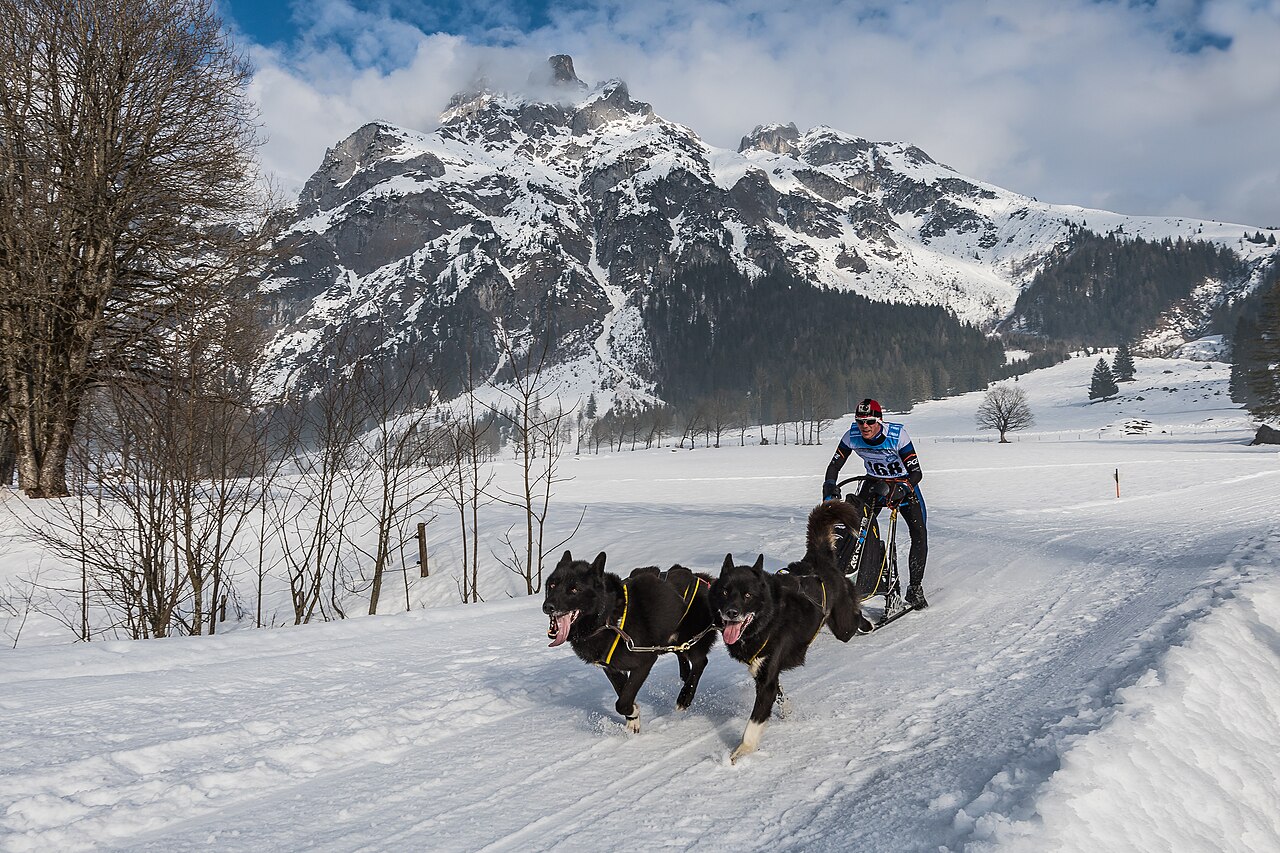
Budget 90 minutes to two hours of real work daily, and lean into what the dog was built for: weighted hiking packs, bikejoring, cart or sled pulling, long trail miles in cool weather. A tired Malamute is a couch philosopher; an under-worked one dismantles landscaping and serenades the county. Puppies grow big fast, so keep it low-impact until the joints close around 18 months. If you already love winter, there is no better company on a cold trail anywhere in dogdom.
Grooming
Twice a year a Malamute fires its entire undercoat, and owners describe the event in agricultural terms: hair harvested by the grocery bag, drifts in corners, a dog visibly changing shape over two weeks. During the blow, daily sessions with an undercoat rake; the rest of the year, a thorough brushing twice a week does it. The coat is remarkably self-cleaning and nearly odorless, so baths are rare and heroic undertakings best delegated to a groomer with a high-velocity dryer. Nails weekly (these are digging feet), teeth, and a weekly ear check finish the job. Buy the good vacuum. Not the midrange one.
Is the Alaskan Malamute Right for You?
The right Malamute owner is active outdoors in all weather, experienced with dogs or determined to become so, equipped with a fortress fence, and untroubled by hair in the butter. Cold-climate families get the best of the breed: an affectionate, hilarious, tireless adventure partner. It is the wrong dog for hot climates, apartments, cat households, first-time owners who want easy obedience, and anyone gone all day. If you love the look but want less freight and more manageable size, meet the Siberian Husky; if it is the smiling white winter dog you are after, the Samoyed brings the coat with a softer temperament. Malamutes land in rescue when their equipment outmatches unprepared homes, and northern-breed rescues are wonderfully honest about which dog needs which human. Somewhere, a hundred pounds of opinion and devotion is waiting to argue with you about the thermostat.
Adopt an Alaskan Malamute
Northern-breed rescues match seriously, because they know exactly what these dogs need to thrive. Shelters and rescues list new dogs every day.