Australian Shepherd Dog Breed Guide
The Australian Shepherd is American, developed on western ranches to work cattle and sheep from dawn to dusk, and the misnamed breed has spent decades forgiving us for it. What the ranchers built is one of the great all-purpose working dogs: brilliant, tireless, weather-proof, and bonded to its people with a herding dog’s whole-hearted intensity. The merle coats and mismatched eyes made it Instagram-famous, which is how a dog designed for forty-hour work weeks keeps ending up in apartments with a two-walk schedule and opinions about it.
| Size | Medium |
|---|---|
| Weight | 40–65 lb |
| Lifespan | 13–15 years |
| AKC Group | Herding |
| Energy Level | Very High |
| Good with Kids | Very Good |
| Shedding | Moderate |
| Trainability | Excellent |
Temperament & Personality
Aussies attach hard and specifically: the breed picks its people, works for them with visible joy, and regards strangers with a ranch dog’s polite reserve until vouched for. At home an Aussie is affectionate, funny, and always slightly on duty, tracking the household’s movements and reassembling the family when it scatters, which is adorable right up until the “reassembling” involves heel nips at running children, a herding reflex that needs early redirection rather than punishment.
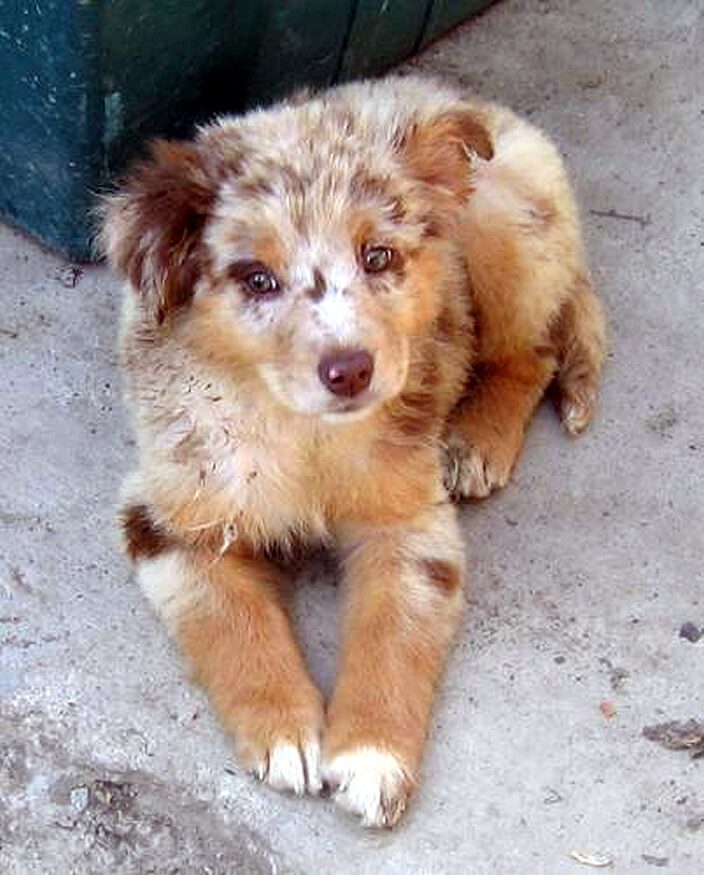
The wiggling stump of a tail, the expressive eyebrows, and the full-body grin make Aussies natural comedians, and they know it. The cost side of the ledger is intensity: under-worked Aussies bark at everything, spin, shadow-chase, and remodel drywall, not from bad character but from unemployment. This is a dog that needs a person the way other dogs need dinner, and it does poorly as a background pet.
Health & Lifespan
Aussies are long-lived athletes, 13 to 15 years, with two breed-specific facts every owner must know. First, MDR1: a common gene mutation in herding breeds makes affected dogs dangerously sensitive to several everyday drugs, including ivermectin at livestock doses and some routine medications. The DNA test costs little and takes one cheek swab; do it once, tell every vet the dog ever sees, and the problem is fully managed. Second, merle genetics: merle-to-merle breedings produce “double merle” puppies with high rates of deafness and eye defects, which is a breeder-competence test with a beautiful coat attached. A mostly-white Aussie puppy deserves a BAER hearing test and hard questions.
The remainder is standard for the group: hips and elbows (paperwork on both parents), hereditary eye conditions including cataracts (annual clearances in breeding stock), and epilepsy in some lines, worth a frank question. Keep the athlete lean, mind the teeth, and expect the senior years to arrive with the dog still demanding a job.
Training & Exercise
Training an Aussie is a fast, gratifying conversation: the breed learns in a handful of repetitions, loves having a curriculum, and reads its handler with herding-dog precision, which cuts both ways, since it learns your inconsistencies just as quickly. Reward-based methods, early socialization, and a lifelong supply of new material are the recipe. The standing assignments are the bark budget and the herding reflex, both redirected early into legal outlets.
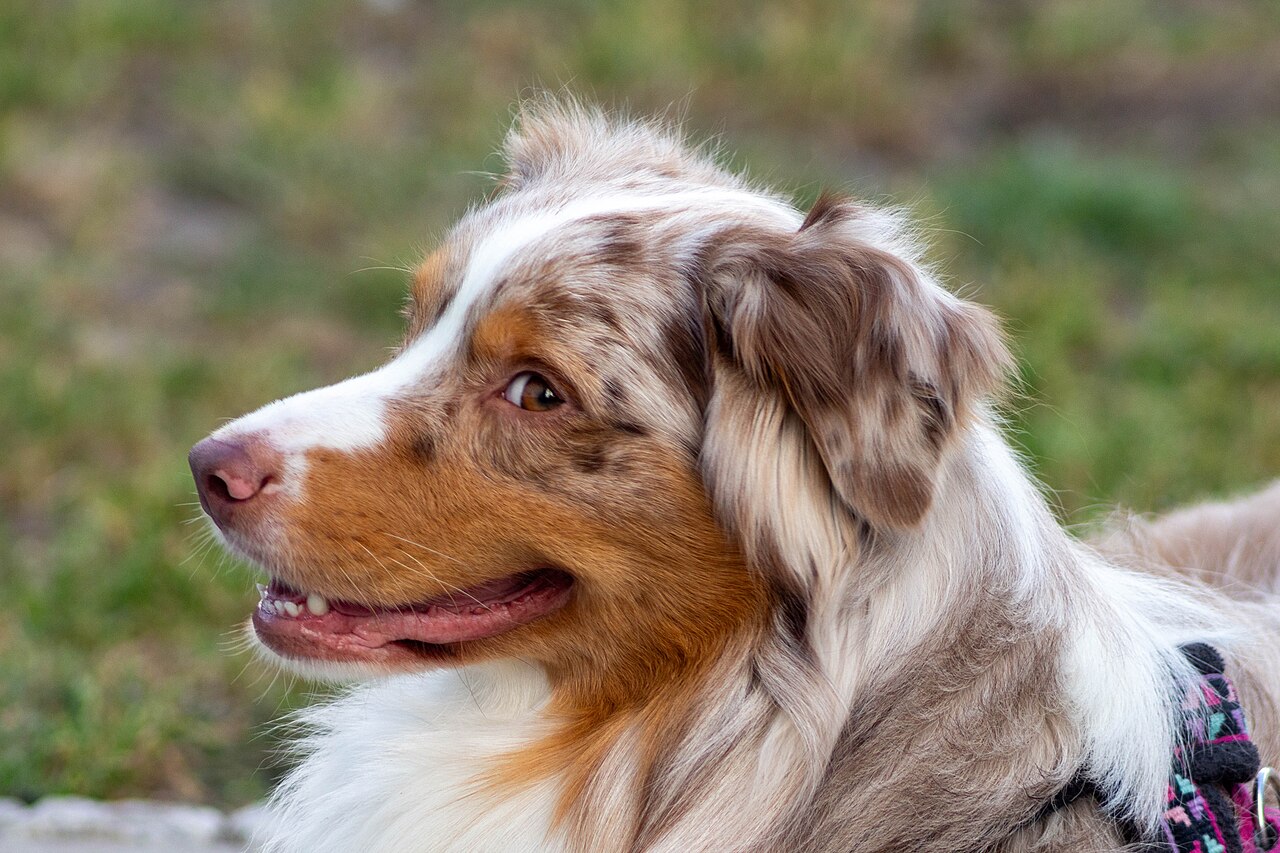
The daily bill is 90 minutes to two hours with a mandatory mental component: agility, disc, herding lessons, trick chains, nosework, canicross, pick several and rotate. Aussies make superb running and trail partners once grown, and they are the reigning champions of weekend-warrior dog sports. The formula never changes: a worked Aussie is the best dog many owners ever have, and an idle one is a talented problem.
Grooming
The weatherproof double coat asks for a thorough brushing once or twice a week, more during the twice-yearly blows when the undercoat departs in felted handfuls; an undercoat rake and a slicker cover the toolkit. Trim the pants and ear fringes if burrs are part of your lifestyle, bathe when the ranch aesthetic peaks, and never shave, since the coat insulates against sun and heat as well as cold. Nails, ears, teeth on the usual schedule. Twenty minutes a week buys a show-ready ranch dog.
Is the Australian Shepherd Right for You?
Say yes if your life already includes daily running, hiking, or training and you want a brilliant partner in all of it; active families with school-age kids and weekend-sport ambitions are the breed’s happy place. Say no if the exercise plan is aspirational, the household is gone all day, or you mostly loved the coat. If you want the same brain with even more intensity, meet the Border Collie; a smaller, softer version of the herding package, the Shetland Sheepdog. Aussie rescues overflow with gorgeous adolescents surrendered at the exact moment the puppy cuteness stopped covering the energy bill. Adopt one, give it a job by Friday, and by Sunday it will have reorganized your fitness, your schedule, and your standards for what a dog can be.
Adopt an Australian Shepherd
Aussie rescues match energy honestly; believe their assessments. Shelters and rescues list new dogs every day.