Bichon Frise Dog Breed Guide
The Bichon Frise has held three jobs in seven centuries: sailors’ trade dog, court companion to Renaissance royalty, and circus performer when the aristocracy’s fashions moved on. All three left fingerprints. The sailor gave it hardiness, the court gave it charm, and the circus gave it a genuine love of performing for an audience, which it now does nightly in living rooms, free of charge. Under the powder-puff coat is a sturdy, cheerful little dog whose defining talent is being delighted, and being delightful, on a loop.
| Size | Small |
|---|---|
| Weight | 12–18 lb |
| Lifespan | 12–15 years |
| AKC Group | Non-Sporting |
| Energy Level | Moderate |
| Good with Kids | Excellent |
| Shedding | Very Low |
| Trainability | Very Good |
Temperament & Personality
Bichons are merry by default and affectionate by profession. Unlike many small companions that anoint one person, the Bichon loves the whole household plus visitors, plus the visitors’ visitors, and it is one of the genuinely excellent small breeds with children: sturdy enough for play, patient enough for chaos, and free of the snappish streak that runs through some toys. The signature move is the “Bichon blitz,” a sudden, ecstatic sprint through the house in tight circles that ends as abruptly as it began, to applause the dog fully expects.
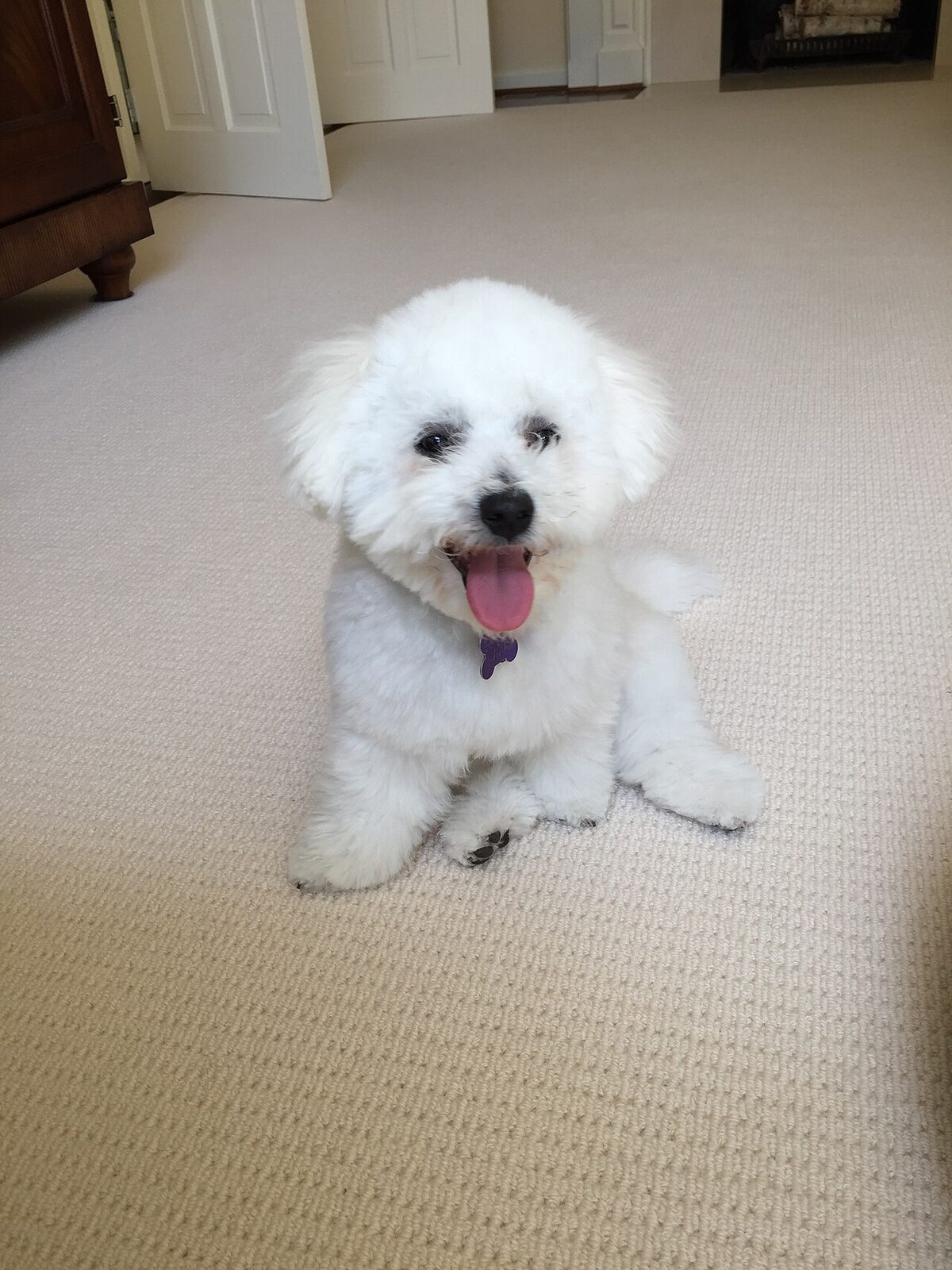
The needs behind the cheer: company, mostly. Bichons were designed as full-time companions and treat solitude as a clerical error, protesting long absences with vocals and mischief. They alert-bark at doorbells but rarely rant, and they coexist happily with other pets, often preferring homes where someone, human or animal, is always around to appreciate the show.
Health & Lifespan
Bichons live 12 to 15 years and often more, with a list that is mostly manageable maintenance. Skin and allergies lead it: the breed is prone to itchy, reactive skin, and chronic scratching or ear trouble deserves an allergy workup rather than endless baths. Kneecaps luxate in some lines (ask for the patella check), bladder stones occur more than average (constant fresh water and prompt attention to straining), and the teeth need the full toy-breed treatment: daily brushing and periodic professional cleanings, because crowded small jaws and a long lifespan multiply dental trouble.
Eyes stay on the watch list as Bichons age, with cataracts over-represented, and the white coat shows tear staining that is usually cosmetic and managed with daily face wipes. Buying a puppy? Ask for patella, eye, and hip paperwork. Adopting? The rescue’s grooming and skin notes tell you most of what the next decade holds.
Training & Exercise
The circus years left their mark: Bichons learn tricks with visible enjoyment and perform them with timing. Reward-based training moves quickly on everything except the breed’s one notorious weak subject, house-training, which runs slow and demands months of schedule discipline; nearly every Bichon owner confirms this, so build the routine from day one and grade patiently. Socialization is easy work with a dog this congenitally friendly, and a “quiet” cue installed early keeps the doorbell commentary brief.
Exercise is apartment-scale: two pleasant walks and a play session, 30 to 45 minutes total, plus the self-administered blitz. Trick training and puzzle toys cover the clever brain, and many Bichons genuinely enjoy small-dog agility, where the circus genes get a modern stage. Watch summer heat under all that coat, and count the applause as part of the dog’s daily requirements; it is only half a joke.
Grooming
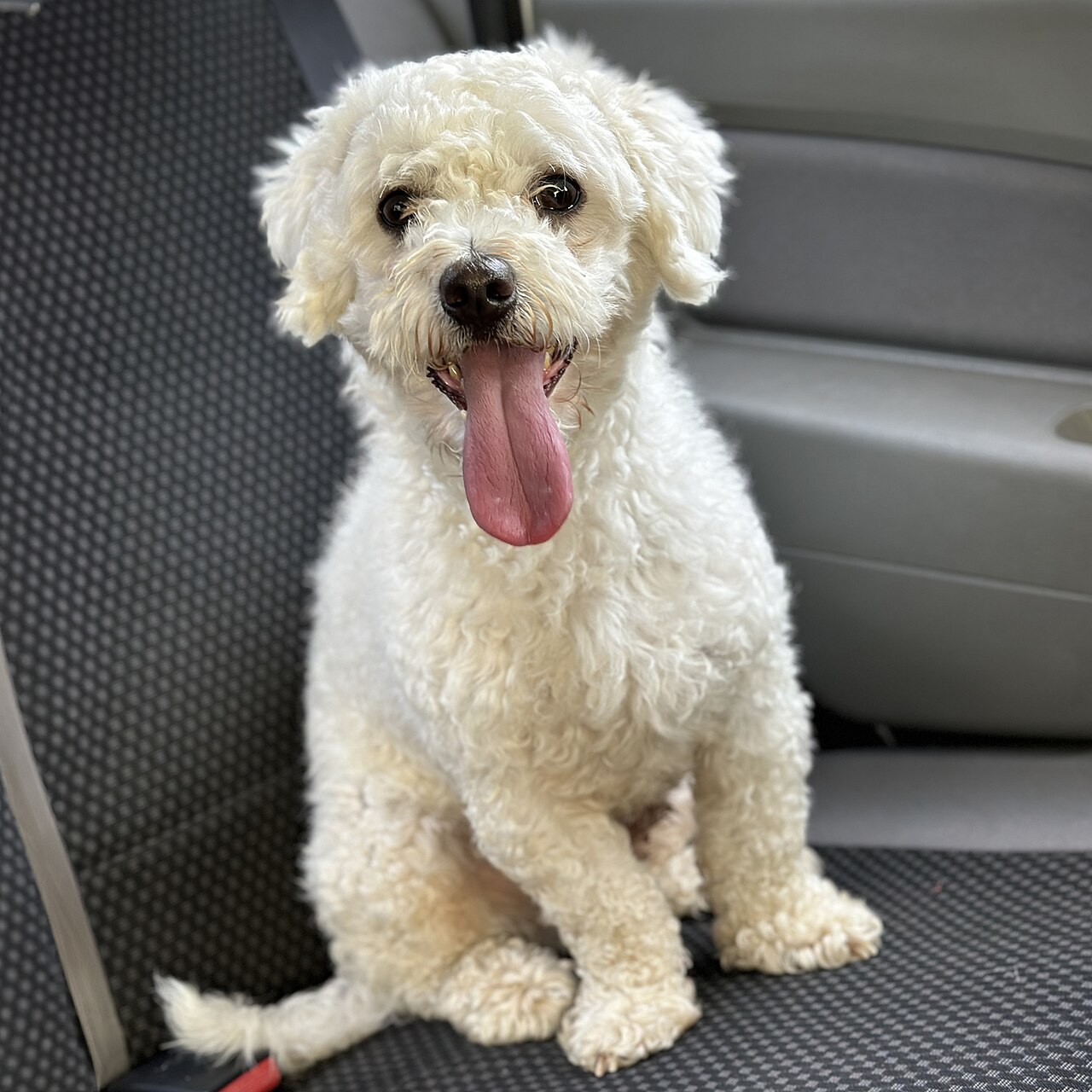
The powder-puff is the price of admission, stated plainly: that curly double coat sheds almost nothing into your home because everything it sheds stays in the coat, where it mats unless brushed out. Plan on a thorough brush-and-comb to the skin every other day, daily during the adolescent coat change, plus a professional groom every four to six weeks, forever, at real cost. Between grooms: daily face wipes for tear stains, weekly ears (hair grows in the canals and needs management), nails, and the daily teeth this guide has already lectured about. Owners who keep the schedule have a cloud; owners who skip it have a felted, unhappy dog and an awkward conversation at the groomer.
Is the Bichon Frise Right for You?
The Bichon suits apartments, families with kids of any careful age, seniors, allergy-sensitive households (with the usual no-guarantees asterisk), and anyone who wants a small dog that loves everybody. It is wrong for empty houses, tight grooming budgets, and people who need a fast house-training curve. If you love the little-white-dog brief with silkier hair and a softer volume knob, meet the Maltese; for the same size with a sharper brain and similar coat economics, the Miniature Poodle; for lap-first philosophy, the Shih Tzu. Bichons reach rescue mostly as matted, cheerful survivors of owners who underestimated the coat. Adopt one, book the groomer, and somewhere around the second blitz across your living room you will understand what the royalty and the circus both saw.
Adopt a Bichon Frise
Somewhere near you, a small white performer is between engagements. Shelters and rescues list new dogs every day.