How Long Do Dogs Sleep Each Day?
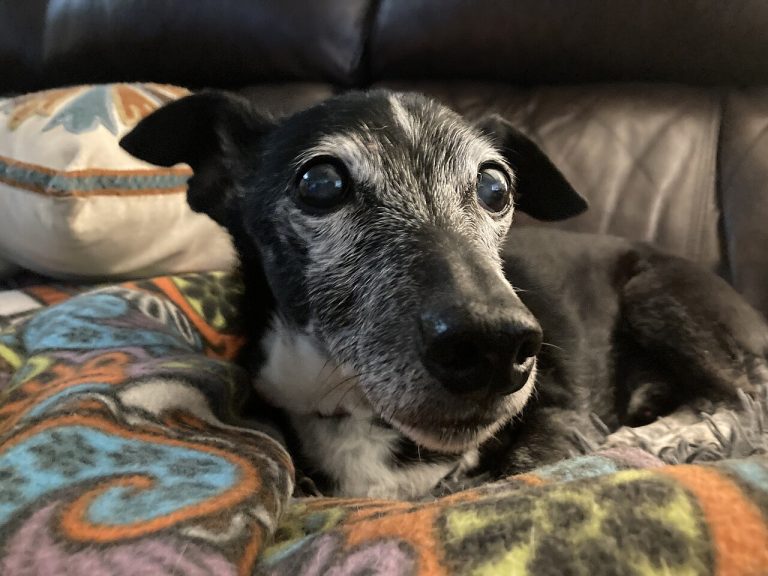
Adult dogs sleep 10 to 14 hours a day, counting naps. Puppies need 18 to 20 hours, and seniors drift back toward that number. If your dog seems to sleep half its life away, it is doing exactly what dogs do; only a sudden change in sleep patterns deserves attention.
Why So Much? Dog Sleep Works Differently
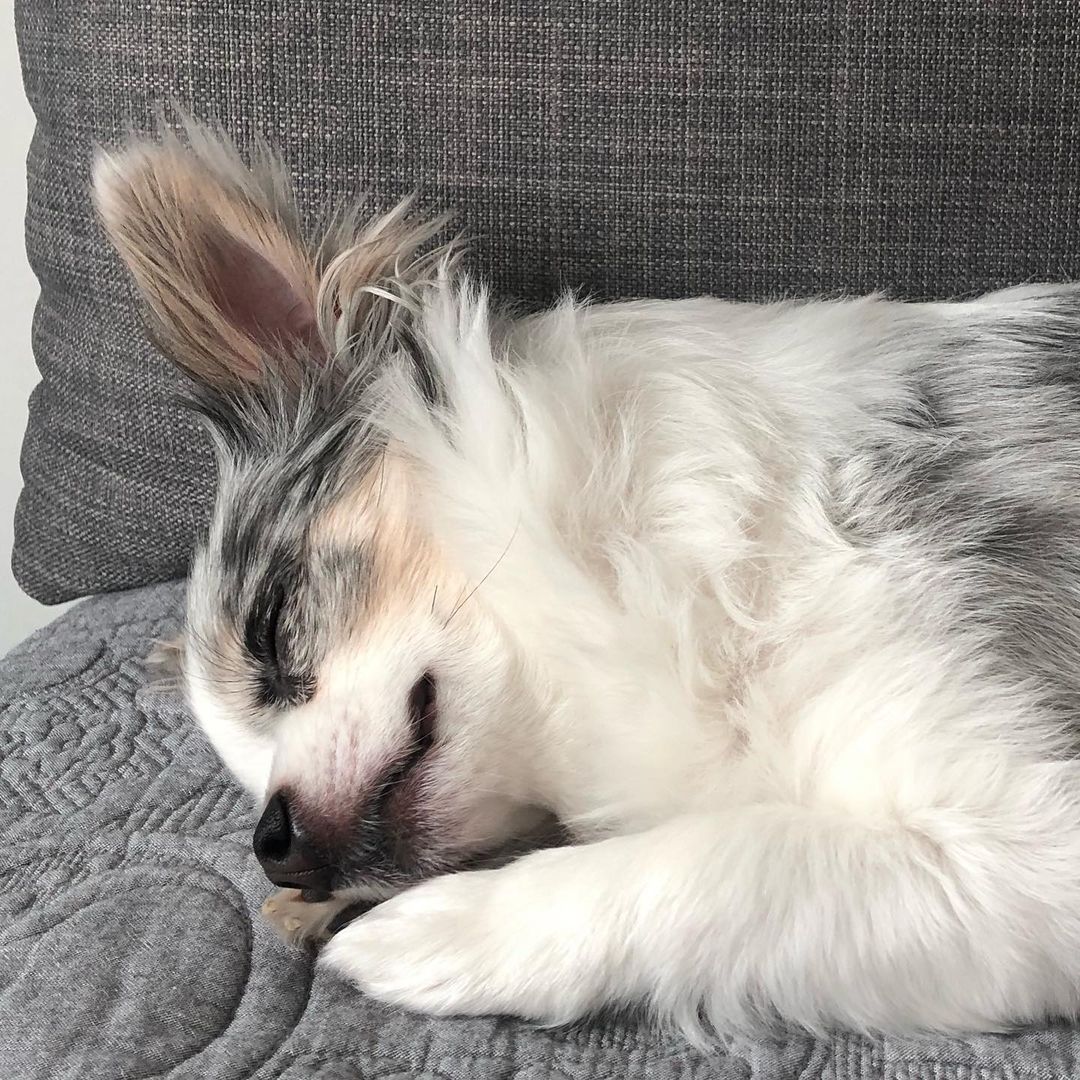
Dogs are flexible sleepers, not marathon sleepers. Where humans consolidate rest into one long night, dogs sleep in bursts around the clock, waking fully several times an hour in lighter phases. They also spend a smaller share of sleep in the deep, restorative REM stage, roughly ten percent against our twenty-five, which means they need more total hours to bank the same recovery. The twitching paws and muffled woofs you see are REM working: dogs dream, and by all evidence they dream about their day. Add the fact that a house dog has no commute and no deadlines, and fourteen hours starts to look less like laziness and more like sensible scheduling.
Age and Breed Move the Number
Puppies sleep like newborns because they are: growth, brain development, and immune building all happen asleep, and an eight-week-old genuinely needs 18 to 20 hours (our guide on when puppies calm down explains why enforced naps prevent evening chaos). Seniors circle back to long rest as recovery slows. Size matters too: giant breeds like the Mastiff and Saint Bernard are famous fourteen-hour professionals, while working breeds like the Border Collie sleep less and demand their waking hours be spent productively. Weather, boredom, and household rhythm all shift the total; dogs nap more on rainy days and in empty houses.
When Sleep Is a Symptom
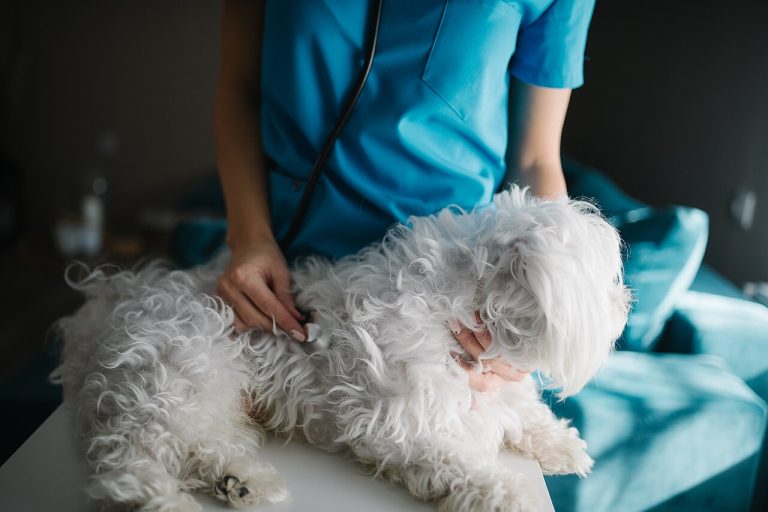
The number to watch is not the total; it is the change. A dog that suddenly sleeps far more than its normal, is hard to rouse, or shows no interest in things it usually loves may be dealing with pain, hypothyroidism, heart trouble, or infection. A dog that suddenly cannot settle, pacing and restless at night, may be uncomfortable or, in seniors, showing early cognitive decline, which vets can genuinely help with if caught early. Either direction, paired with appetite loss or lethargy while awake, earns a vet call; our guide on when to call the vet helps you judge the urgency. A healthy dog that simply relocates from sunbeam to sofa all afternoon needs no fixing at all.