When to Call the Vet: Emergency, Today, or Wait?
Every dog owner eventually stands in a kitchen at 9 p.m. holding a phone, looking at a dog that seems off, and asking the eternal question: is this an emergency, a tomorrow-morning call, or nothing? Googling symptoms at that moment produces either “it’s fine” or “it’s cancer,” unhelpfully often on the same page. This article is the calmer version: the short list that means go now, the list that means call today, and the honest truth about the gray zone, which is that vets would rather hear from you early than meet your dog late.
Go Now: The Emergency List
Some presentations skip the phone call and go straight to the car. Trouble breathing: labored effort, blue or gray gums, a dog stretching its neck to get air. Unproductive retching with a restless, swollen-bellied dog, the signature of bloat, where hours decide outcomes. Collapse or fainting, seizures lasting more than a couple of minutes or coming in clusters, and any suspected poisoning: chocolate, grapes and raisins, xylitol in sugar-free gum, rat bait, human medications; bring the packaging and call poison control or the clinic while driving. Add uncontrolled bleeding, a dog hit by a car even if it walks away (internal injuries hide), heatstroke signs on a warm day (frantic panting, drooling, wobbliness), a male dog straining and unable to urinate, an eye that is suddenly bulging, bleeding, or screwed shut in pain, and birthing trouble in a pregnant female. None of these wait for morning. All of them do better the faster you move.
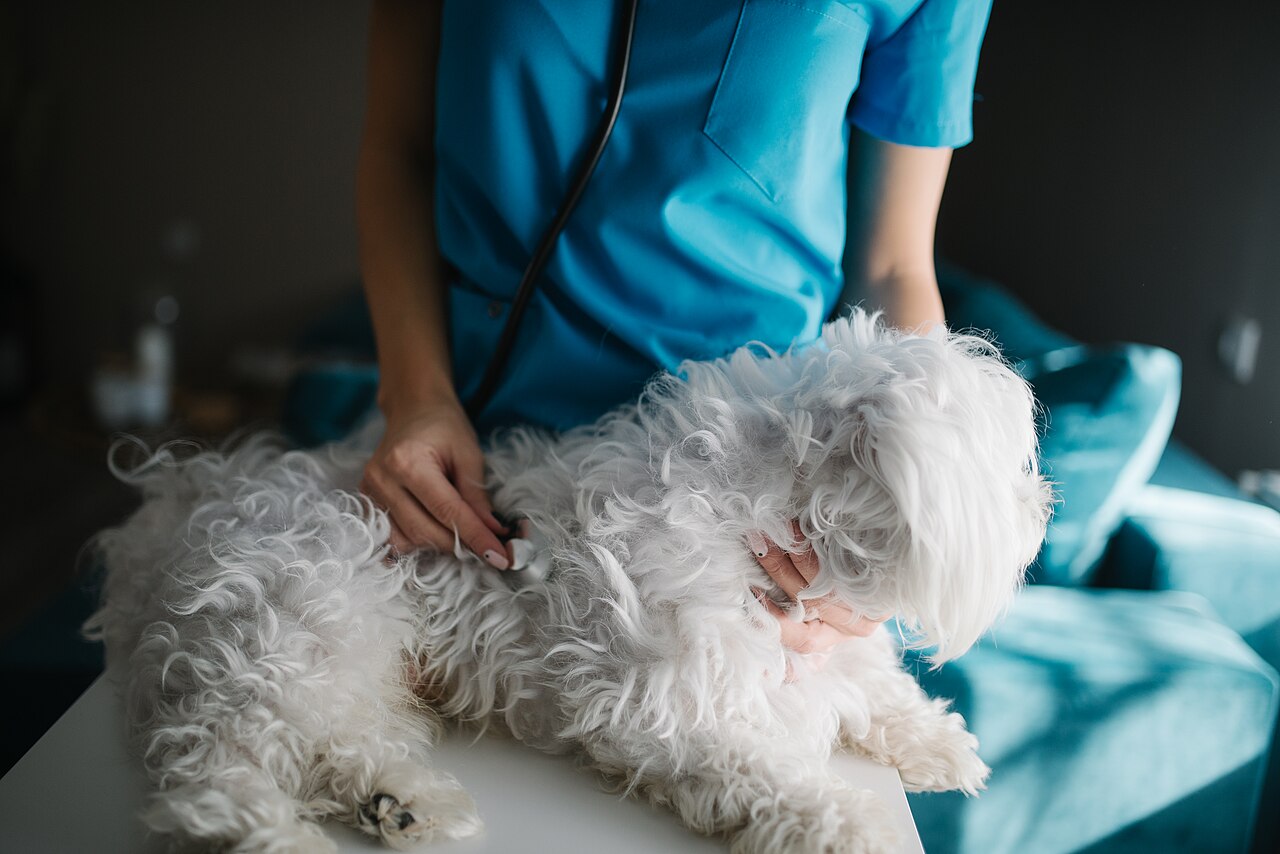
Call Today: The Same-Week List
The next tier is urgent without being sirens. Vomiting or diarrhea that lasts past a day in an adult, or almost any amount in a puppy or tiny breed, because small bodies dehydrate fast. Not eating for more than a day, which in a normally food-motivated dog is a loud signal wearing a quiet costume. A limp that has not resolved in a day or two, drinking and urinating noticeably more than usual (the classic opener for several serious conditions), sudden weight loss, a cough that settles in, a new lump, especially one that grows, a smelly or painful ear, straining to defecate, or scooting and licking that will not quit. And the vague one that owners apologize for and should not: “he’s just not himself.” Behavior change is a symptom. Dogs hide pain as a professional skill, and dullness, hiding, or new grumpiness is often the only notice you get.
The Gray Zone, Handled Honestly
A single vomit followed by a normal, bouncy dog, a day of soft stool after a scavenged snack, a sneeze festival after a nose full of dust: these usually pass on their own, and watching for a day is reasonable in an otherwise well adult dog. The gray zone rules: puppies, seniors, and tiny breeds get promoted one tier up automatically, because their reserves are shallow; two mild symptoms together (off food and quiet, vomiting and drinking more) count as one real one; and anything that persists past a day or worsens has left the gray zone. When in doubt, call, describe, and let the clinic triage; that phone call is free, and no good vet has ever been annoyed by it. The owners vets worry about are not the ones who call too much.
Know Your Dog’s Baseline (and Your Breed’s Footnotes)
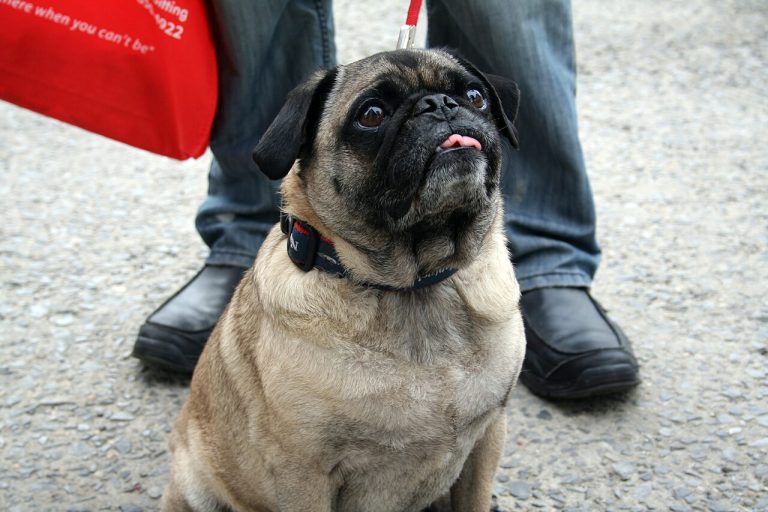
Triage is comparison, so learn your dog’s normal while it is healthy: resting breathing rate (count it during sleep sometime; ten to thirty breaths a minute is typical), gum color (salmon pink; press and the color should return in under two seconds), appetite pattern, and energy curve. Then read your breed’s footnotes, because breed changes the math: rapid breathing means something different in a Pug, a limp carries extra weight in a Rottweiler, back pain is a same-day matter in a Dachshund, and a cough in a Cavalier earns a cardiology thought. Every guide on this site lists its breed’s specific alarm bells for exactly this moment.
Save your regular vet’s number and the nearest emergency clinic’s number in your phone tonight, while nothing is wrong. The 9 p.m. kitchen moment goes very differently when the decision is one tap instead of a search.