Why Is My Dog Shaking?
Dogs shake for many harmless reasons: cold, excitement, stress, drying off, or simply being a small breed with a fast idle. Shaking becomes urgent when it arrives with vomiting, weakness, whining, or follows the dog eating something it should not have. New, unexplained trembling that does not stop within an hour deserves a vet call.

The Harmless Kinds
Most shaking has a boring explanation. Small and thin-coated dogs, Chihuahuas, Whippets, and friends, tremble when cold because a small body sheds heat fast; the cure is a sweater, not a workup. Excitement shakes happen at the door, before dinner, and at the sight of the leash, and stop the moment the good thing starts. Stress trembling at the vet or during fireworks comes with flattened ears and a tucked tail, and it tells you about the dog’s feelings, not its health. The full-body wet-dog shake-off, meanwhile, is not just for water: dogs use it to reset after tension, the way we exhale after a difficult phone call. If the shaking has an obvious trigger and an obvious off switch, you can relax.
The Kinds That Need a Vet
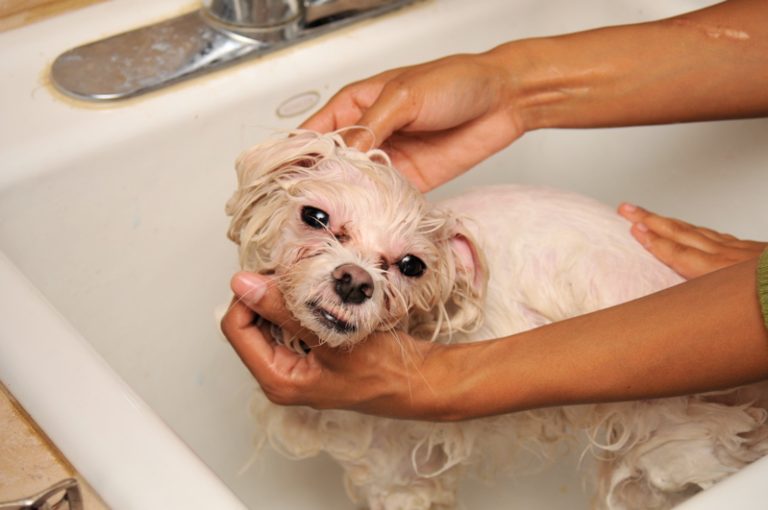
Trembling with company is different. Shaking plus vomiting, drooling, or diarrhea suggests poisoning, and if you know or suspect the dog got into chocolate, xylitol gum, grapes, medications, or slug bait, skip the observation period and call now; minutes genuinely matter with toxins. Shaking plus stiffness, reluctance to move, or a hunched back usually means pain, and dogs hide pain until they cannot. Tiny breeds and puppies that tremble while lethargic may have low blood sugar. Older dogs can develop benign age-related tremor in the hind legs, but that diagnosis belongs to a vet, not a search bar, because the same picture can be early arthritis pain. There is even a condition called generalized tremor syndrome, most common in small white breeds like the Maltese, that looks alarming and responds well to treatment. The pattern to hold onto: shaking that arrives with any other symptom, or without any explanation, is a phone call. Our guide on when to call the vet walks through the triage.
What to Do While You Watch
If the dog is alert, eating, and otherwise itself, warm it up, calm the environment, and give it an hour. Note when the shaking started, what the dog was doing, and whether anything is missing from counters or garbage; that inventory is the most useful thing you can bring to a vet call. Film a short video too, because trembling has a habit of vanishing in the exam room, and thirty seconds of phone footage saves a hundred dollars of guesswork. And if your gut says something is wrong, call anyway. Vets would far rather reassure you at 8 p.m. than treat the harder version of the problem at midnight.