Whippet Dog Breed Guide
A Whippet is two dogs in one elegant skin. For roughly forty-five seconds a day it is the fastest accelerating dog on earth, hitting 35 miles per hour from a standing start. The other twenty-three hours and fifty-nine minutes, it is a heat-seeking couch ornament that would like the good blanket, please. English mill workers bred them as the “poor man’s racehorse,” and the combination they created, brief spectacular speed wrapped around profound domestic laziness, remains one of the best-kept secrets in dogs.
| Size | Medium |
|---|---|
| Weight | 25–40 lb |
| Lifespan | 12–15 years |
| AKC Group | Hound |
| Energy Level | Moderate |
| Good with Kids | Very Good |
| Shedding | Low |
| Trainability | Very Good |
Temperament & Personality
Whippets are quiet, gentle, and undemonstrative in a way that reads as good manners rather than aloofness. They rarely bark, greet guests with polite interest instead of an ambush, and spend their indoor lives migrating between soft surfaces, under the duvet if permitted, pressed against a person for warmth either way. With children they are patient and unsnappy, though they prefer calm handling and will simply remove themselves from chaos, folding up somewhere higher.
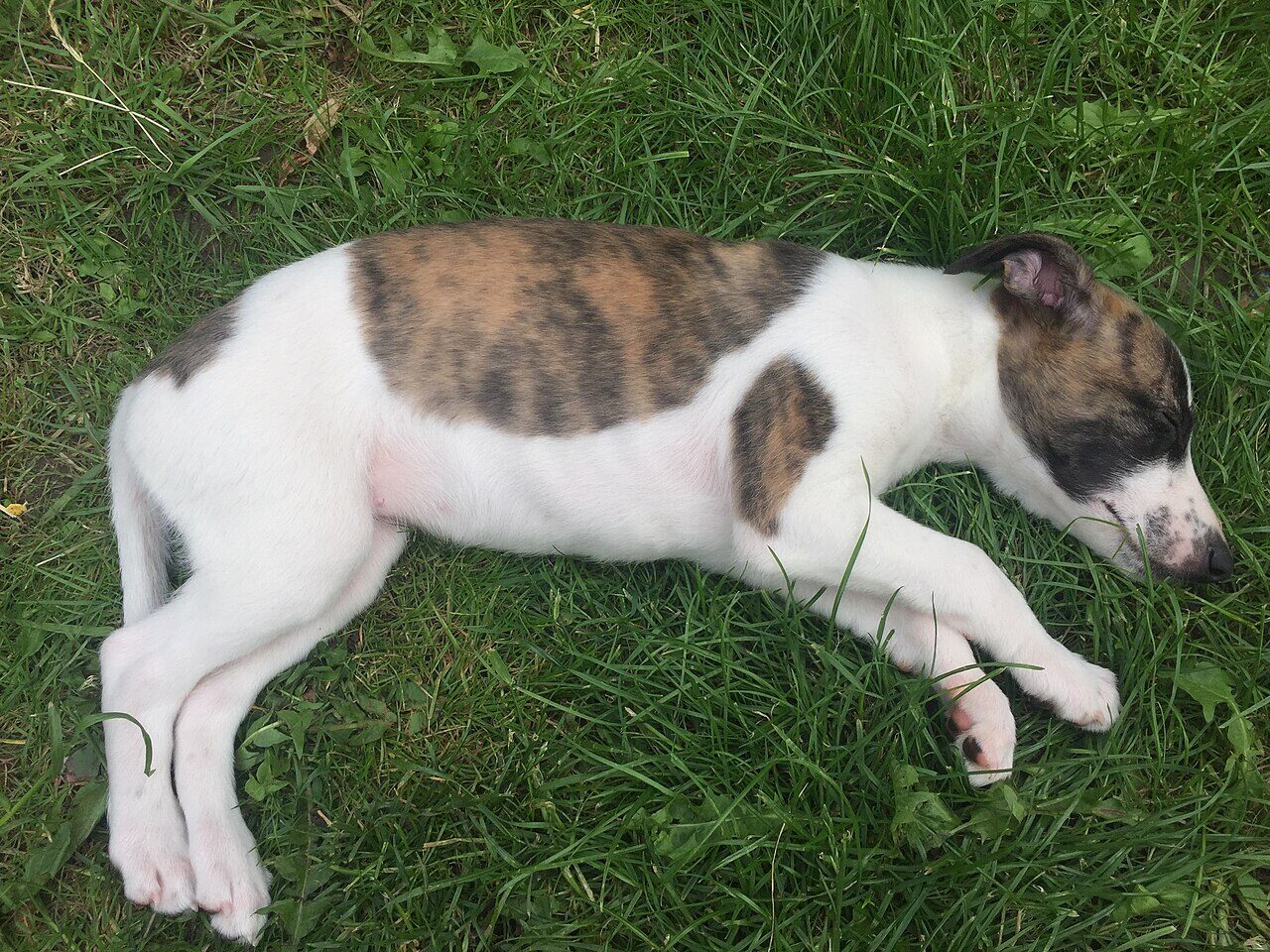
The sighthound clause comes with the dog. A Whippet that spots a squirrel, a cat, or a windblown plastic bag stops being a pet and becomes a ballistic event, deaf to its own name until the chase resolves. This is hardwiring, not disobedience, and it dictates the two house rules of Whippet ownership: leashed or fenced, always, and careful introductions to any small pets. Many Whippets live politely with cats they know; the neighbor’s cat, at speed, is a different category.
Health & Lifespan
Whippets are one of the soundest purebreds going: 12 to 15 years is normal, and the breed dodges most of the structural problems that plague dogs its size. The list you do watch is specific. Sighthound skin is tissue-paper thin, so play scrapes that other breeds would shrug off open into cuts that need attention and occasionally stitches. Hearts deserve a check at annual visits, as some lines carry murmurs and arrhythmias, and a cardiac clearance is a fair ask of any breeder.
The quirk your vet needs on the chart: sighthounds process anesthesia differently, with little body fat and unusual liver metabolism, so any clinic treating a Whippet should be using sighthound-appropriate protocols. Beyond that, keep the lean frame lean (a Whippet showing three or four vertebrae is fashionable, one showing none is fat), brush the teeth, and buy the coat. Not for style: a dog with no fat layer and a single thin coat genuinely suffers in cold rain, and the sweater is medical equipment.
Training & Exercise
Whippets train sweetly with soft methods; harsh corrections shut this sensitive breed down completely. They learn house rules fast, sit prettily for treats, and hold a genuinely useful repertoire, with one permanent asterisk: recall works right up until prey appears, and no amount of training removes that asterisk. Whippet people build their lives around long lines, fenced fields, and the serenity of accepting what a sighthound is.
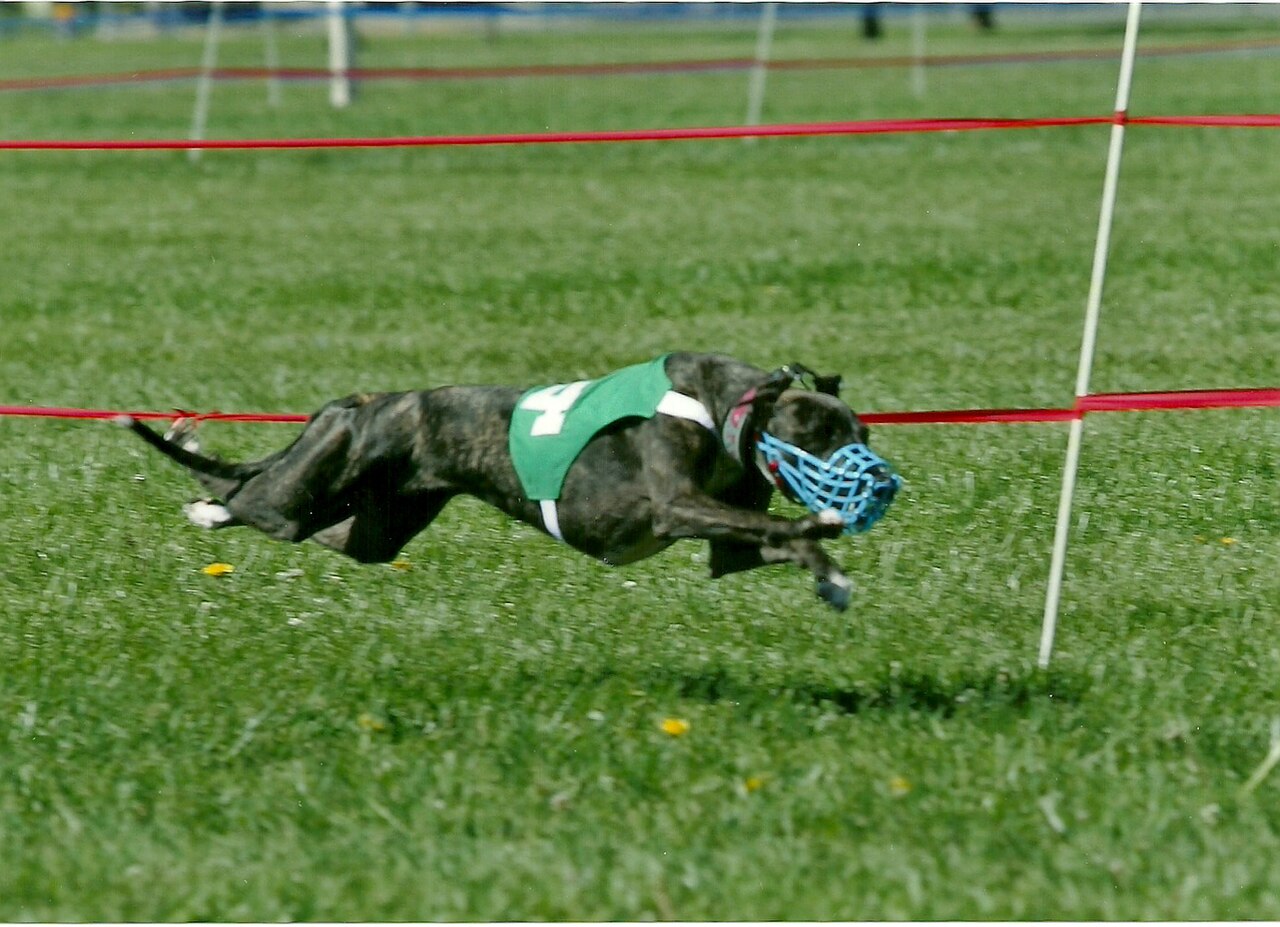
Exercise is a rhythm, not a grind: a couple of daily walks plus a few genuine sprint sessions a week in a fenced area, and the athlete is satisfied. Lure coursing and amateur straight racing are the breed’s birthright sports and gloriously fun to watch. Between outings, expect Olympic-grade napping. A Whippet that has run today is the easiest housemate in dogdom: silent, clean, and folded into an impossible shape on the warmest object you own, which is sometimes you.
Grooming
Grooming a Whippet is a rumor. The fine single coat sheds lightly, releases dirt on its own, and needs a weekly once-over with a soft brush or grooming mitt mostly for the massage. Baths are rare events; the breed has little odor and less coat to hold it. What replaces coat care is skin care and climate care: check for scrapes after any wild running, trim nails regularly (sprinter toes matter), brush teeth, and maintain the wardrobe: a rain shell and a winter coat, deployed without irony. Total weekly investment: minutes.
Is the Whippet Right for You?
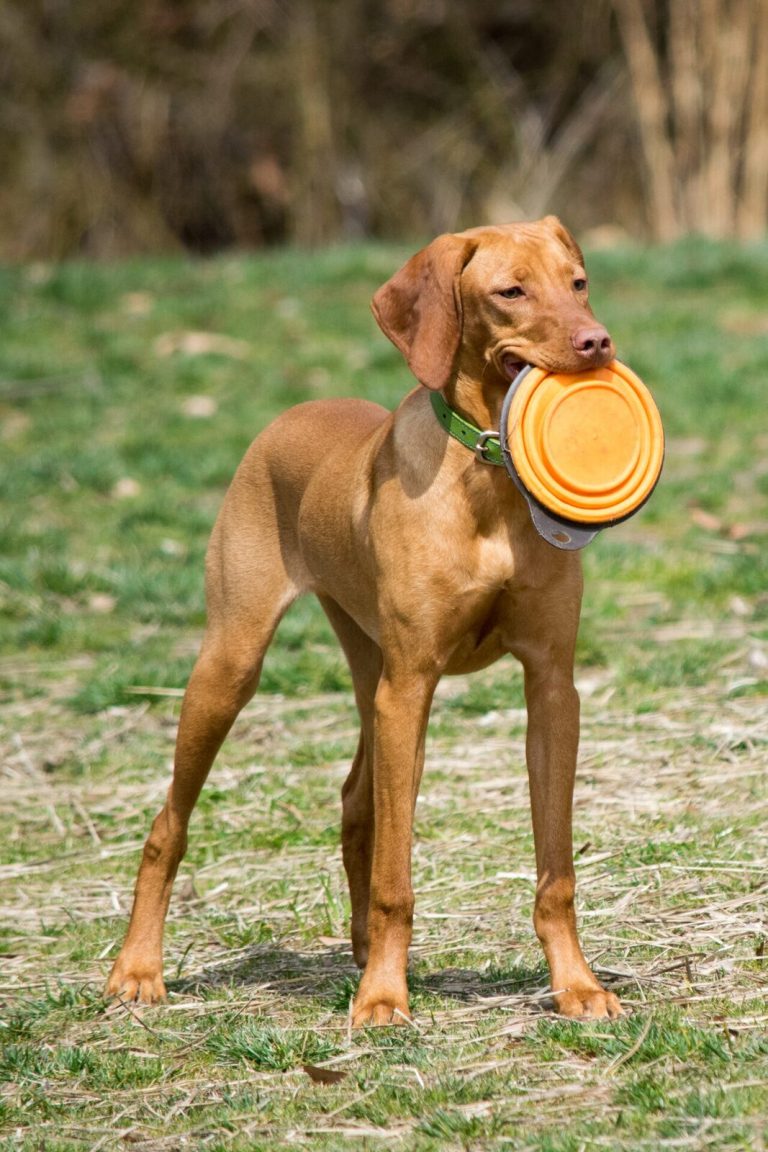
The Whippet fits more homes than almost any athletic breed: apartments (they are nearly silent), families with considerate kids, first-time owners, and anyone who wants a clean, gentle companion with a twice-weekly need for speed. It is wrong for off-leash hiking dreams, homes with free-roaming small pets, and cold outdoor living. If you want more all-day stamina in your running partner, look at the Vizsla or Weimaraner; if the appeal is the quiet apartment companion, the Boston Terrier covers it without the prey drive. Retired racing and coursing Whippets appear in rescue regularly, already leash-trained and couch-certified. Adopting one means skipping puppyhood and going straight to the part where a warm, aerodynamic animal sighs against your ribs and claims the blanket. You will surrender the blanket.
Adopt a Whippet
Sighthound rescues match dogs to homes with real care, and a rehomed Whippet transfers its loyalty completely. Shelters and rescues list new dogs every day.