
How to Choose a Dog Breed (Honestly)
Most people choose a dog the way they fall in love: on sight, against advice, and with total confidence in a stranger. Sometimes it works out beautifully. But the dogs sitting in shelters are, overwhelmingly, the survivors of that method: the husky bought for its eyes by someone who hates the cold, the border collie in an apartment, the beagle surrendered for following its nose. Choosing well is not about finding the best breed. It is about answering a harder question honestly: what does your actual life, not your imagined one, have room for?
Start With Your Week, Not With a Dog
Before you look at a single photo, audit an ordinary week. How many hours is your home empty? How much do you genuinely exercise, not aspire to? Who else lives with you, at what ages, and did they all vote for this? What is your honest monthly budget after food, insurance, and the grooming some coats demand? Write the answers down, because dog-shopping brains are professional self-deceivers, and a written week does not grow optimistic in the presence of puppies.
The Four Questions That Sort Every Breed
Energy is the first and biggest: a Basset Hound and a Border Collie are different species of commitment, and mismatched energy is the number one reason adoptions fail. Match the dog’s daily mileage to your real one, then subtract a little for winter. Second, tolerance for solitude: if the house is empty eight hours a day, the velcro breeds (Vizsla, Weimaraner, most doodles) will suffer loudly, while more self-contained dogs cope. Third, coat and household reality: shedding, grooming bills, and drool are daily facts, not details. Fourth, the humans: sturdy school-age kids widen your options; toddlers and tiny breeds are a famously bad equation.
Read the Hard Parts First
Every breed guide on this site has a section on health and a paragraph about dealbreakers, and here is the reading strategy: start there. If you can read that a Great Dane lives 7 to 10 years, that a French Bulldog may need airway surgery, or that a German Shepherd sheds enough to question physics, and your answer is still “yes, and I have budgeted for it,” you have found a real candidate. If you catch yourself skimming past the hard parts to get back to the photos, that is the feeling to distrust. The cute parts never need your preparation. The hard parts are the whole test.
Then Meet Individuals, Because Breed Is Only a Forecast
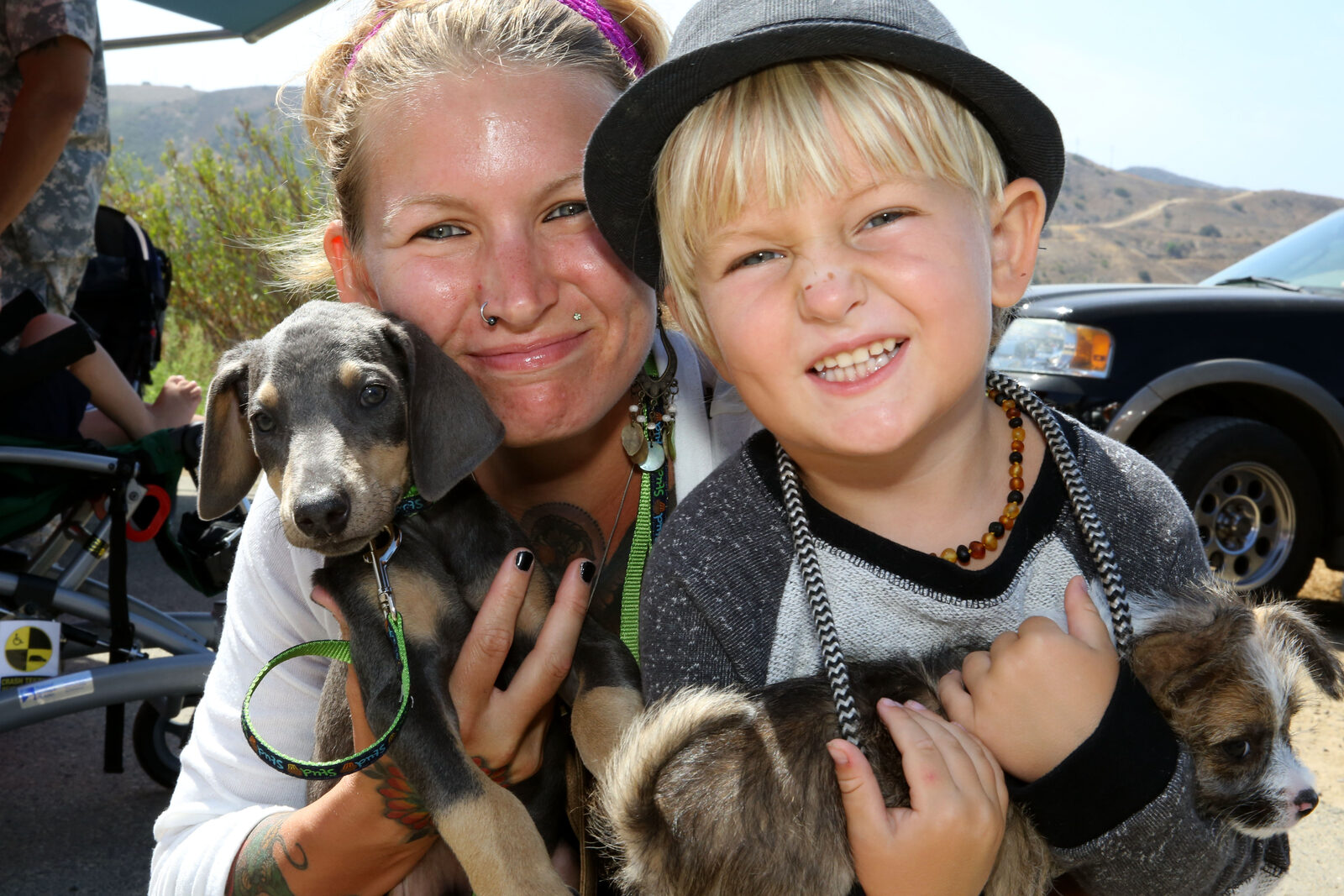
A breed is a probability, not a promise: there are lazy Border Collies and marathon-running Bassets, and every mixed breed is its own weather system. This is where shelters quietly hold the advantage. A foster family can tell you how this specific dog behaves with cats, children, thunderstorms, and Mondays, which is more than any pedigree can. Tell the shelter your written week from step one, honestly, including the unflattering parts, and let them match you. They are better at it than any quiz on the internet, ours included, because they know both sides of the introduction.
Browse the breed guides with your week in hand, shortlist three that survive the hard-parts test, and then go meet some actual dogs. One of them will not match your list at all and will come home with you anyway. At least this time, you will know exactly what you are saying yes to.