The First 30 Days With Your Rescue Dog: The 3-3-3 Rule
The dog you bring home from the shelter is not yet the dog you adopted. That sentence confuses people until they live it: the quiet, shut-down dog from the kennel becomes a bouncing maniac in week three, or the instantly affectionate one suddenly guards the couch in week five, and new adopters wonder what they did wrong. Nothing. They are watching a normal process that rescue workers describe with a simple shorthand: three days, three weeks, three months. Knowing the 3-3-3 rule turns the strangest month of dog ownership into something you can navigate with confidence, and it is the single best predictor of adoptions that stick.
The First 3 Days: Decompression
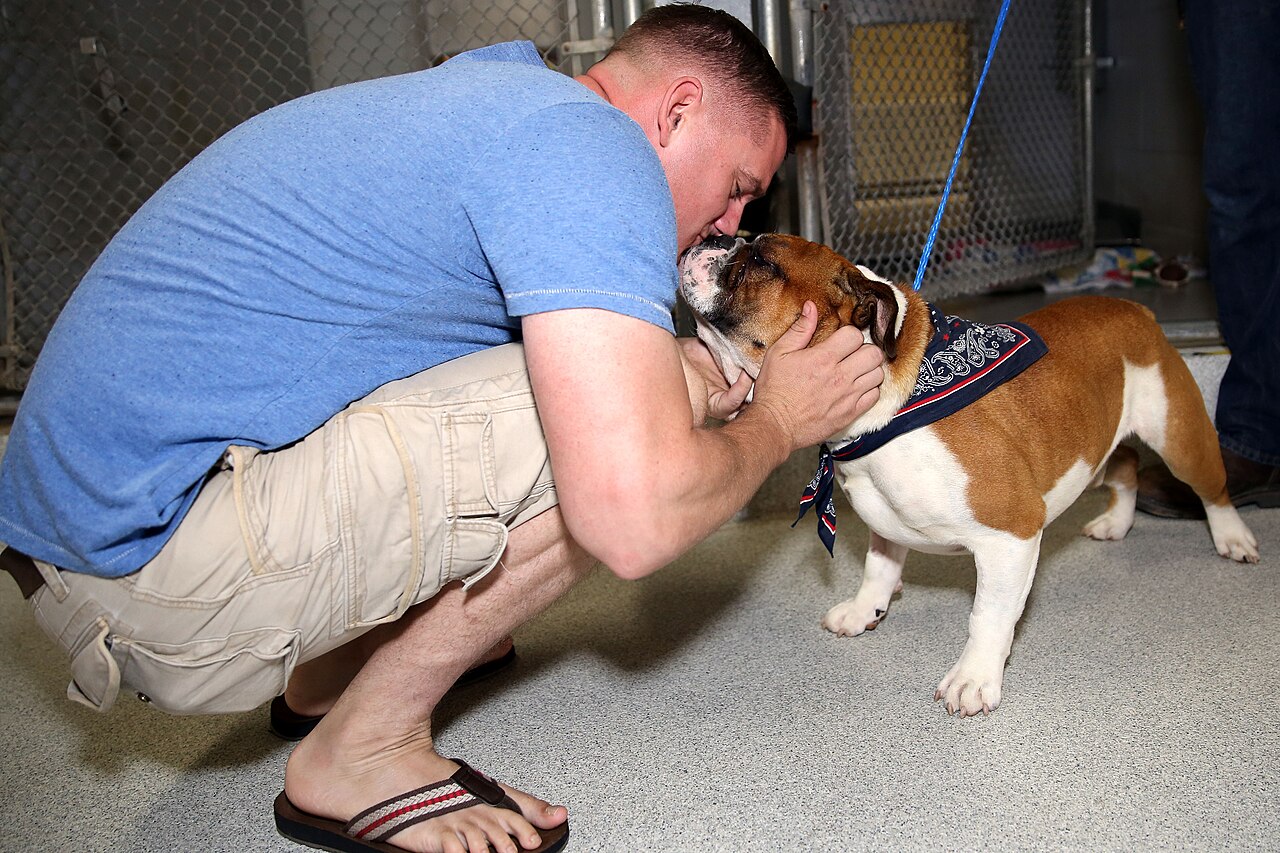
For the first seventy-two hours, your new dog is overwhelmed, full stop. It may not eat, may sleep constantly or not at all, may hide, pace, or have accidents regardless of its actual training. Your job is to lower the volume on everything: no visitors parading through, no dog park debut, no trip to the pet store to pick out toys, no bath unless medically necessary. Give the dog a quiet room or corner, a predictable feeding spot, leashed potty breaks in the same place, and the gift of being left alone. Resist the enormous urge to comfort-hug a dog that does not know you yet; sit nearby, read a book, and let it study you. Decompression looks like nothing happening. That is it working.
The First 3 Weeks: Learning the Rules
Somewhere in week one or two, the dog exhales, and the personality starts arriving in installments. This is also when the testing begins, because the dog is no longer too stressed to ask questions: Is the couch allowed? What happens if I counter-surf? Who actually controls the door? Decide your house rules before this phase and enforce them kindly from day one, because rules that change in week four are much harder to teach than rules that were always true. Build the skeleton of routine now: same feeding times, same walk times, short and cheerful training sessions (five minutes of sit and touch builds vocabulary and trust simultaneously), and the beginnings of alone-time practice in tiny doses, so that your eventual return to work is old news instead of abandonment.
Expect surprises in both directions. The “calm” dog from the shelter may reveal an athlete’s engine; the “shy” one may bloom into a clown. Kennels compress personality the way hospital beds do, and what you saw there was a dog under stress, not a dog. This is also the window where the first behavior wobbles appear, and the right response to almost all of them is management plus patience rather than alarm: a dog that guards a chew gets traded up cheerfully, not wrestled; a dog that barks at the window gets the curtains closed and a job to do.
The First 3 Months: Becoming Your Dog
Around the three-month mark, something quiet and enormous happens: the dog stops behaving like a guest and starts behaving like family. It knows the schedule, anticipates the walk, sighs into its spot on the floor while you cook, and, for many rescues, visibly attaches, choosing to be in your room rather than any room. Trainers call this the bonding consolidation; adopters call it the day the dog finally looked at them differently. This is when you can loosen the training wheels: longer outings, new places, houseguests, the dog park if your dog turns out to be a dog-park dog (many great dogs are not, and that is fine). Keep the routine’s backbone even as the world expands, because the routine is what made the world feel safe in the first place.
When to Worry (and When Not To)
Not eating for the first day or two: normal. Hiding under the table all weekend: normal. Diarrhea in week one: common, usually stress plus food change, mention it to the vet if it lasts. Accidents from a supposedly house-trained dog: normal, run the refresher routine and it resolves in days. What genuinely earns a call: any bite or serious growl over handling, escalating panic when left alone (not whining, panic: destruction at exits, self-injury), or a dog still refusing food past day three. For those, call the rescue first (good ones want to hear and have seen everything) and a certified positive-reinforcement trainer early, because early help is easy help.
Set the Month Up Before the Dog Arrives
The best first month is mostly arranged in advance: food sorted (ask the shelter what the dog eats now and change gradually), a vet visit booked for week one, ID tag on the collar before the first walk, doors and gates audited like a security consultant, and the family briefed on the rules, especially children, who need the “let the dog come to you” speech more than anyone. If you are still choosing your dog, ask the shelter about foster-home observations, tell them your honest lifestyle, and read our breed guides for whatever wags at you, including the proudly unpedigreed: the mixed breed guide covers reading a dog whose ancestry is a delightful rumor.
Somewhere near you, a dog is waiting to start its own strange, wonderful first month. It will spend three days confused, three weeks learning your rules, and three months becoming impossible to imagine living without.