What Shelter Staff Wish Every Adopter Knew
Spend an afternoon behind the desk at any shelter and you learn things the adoption brochures never mention. The staff and volunteers who spend their days there are fluent in two languages: dog, and disappointed human. They watch great matches walk out the door and doomed ones too, and they can usually tell which is which before the paperwork is signed. We asked around, read what shelter workers say when they talk to each other, and collected the things they wish every adopter walked in already knowing.
The Kennel Is Lying to You (In Both Directions)
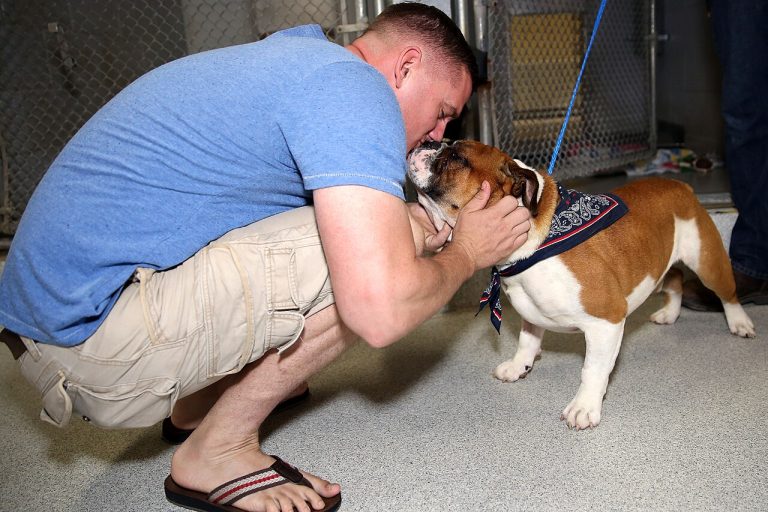
The single biggest thing: the dog you see in a kennel is not the dog you will live with. A kennel is a loud, stressful place, and dogs cope differently. The one barking and spinning at the front may be a calm couch companion who simply cannot bear confinement; the one huddled silently at the back may be the most affectionate dog in the building, currently overwhelmed. Shelter staff beg visitors not to judge from the aisle. Ask for a meet in a quiet room or a walk outside, and watch the dog change in front of you. And ask the staff which dogs surprise people: every shelter has a wonderful dog that interviews terribly, and the staff know exactly who it is.
Honesty on the Application Helps the Dog
People treat adoption applications like job interviews and polish their answers: the yard becomes bigger, the workday shorter, the toddler calmer. Staff wish they would not, because the questions are not a test to pass; they are a matching tool. Admit that you work long days, and instead of a rejection you will usually get redirected to the independent dog who genuinely does not mind, rather than the velcro one who will fall apart. The application is not gatekeeping (most shelters approve most adopters). It is the dog’s only chance to be matched to the truth.
The Returns Break Their Hearts, and Most Were Predictable
Every shelter tracks its returns, and the pattern is brutally consistent: dogs come back in the first month, for reasons that were knowable on day one. The puppy was more work than expected. The energy did not match. The resident cat had opinions. Staff wish adopters knew about the 3-3-3 adjustment period before the adoption instead of learning it from a panicked phone call in week two, because most “it’s not working” calls describe a completely normal week-two dog. The good news, which staff also want you to know: they would rather take ten of those calls than one silent return. Call them. They have seen everything, and helping you succeed is the job.
The Dogs Everyone Walks Past
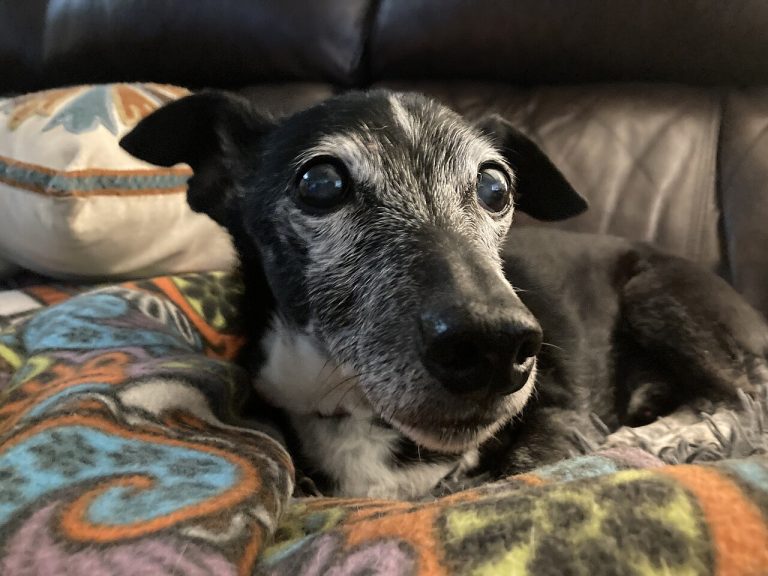
Ask any shelter worker about their favorite dog in the building and it is rarely the puppy; puppies leave in days. It is the black dog nobody photographs well, the grey-muzzled senior, the big blocky-headed mutt, the shy one who needs three visits. Staff watch these dogs get overlooked for months while knowing precisely how good they are, because staff are the ones who take them out at closing time. If you want the inside track at any shelter, say these words: “Who has been here longest that you love?” You will get an introduction, a flood of information, and possibly the best dog of your life.
Do your homework in our breed guides, walk in with an honest application, and trust the people who know the dogs. They have been waiting for exactly this kind of adopter all week.