Dog Bloat: The Warning Signs Every Owner Should Know
Of all the emergencies a dog owner can face, bloat is the one where knowing the signs matters most, because the clock is genuinely short. Gastric dilatation-volvulus (GDV), the dangerous form of bloat, is a stomach that fills with gas and then twists, cutting off its own blood supply. Untreated, it kills within hours. Treated promptly with surgery, most dogs survive. The entire difference is an owner who recognized what they were looking at and drove, and that is why this article exists: read it once now, and it is in your head the night you need it.
The Signs, In the Order Owners Usually See Them
The classic picture starts within a few hours of a meal. The dog is restless and cannot settle: pacing, lying down and getting up, looking at its own belly. Then comes the sign that should end all deliberation: retching that produces nothing, sometimes a little white foam, over and over, a dog desperately trying to vomit with nothing coming out. The abdomen may look swollen and feel drum-tight behind the ribs, though in deep-chested dogs the swelling can hide under the ribcage where you cannot see it. Drooling, a hunched or “praying” posture, pale gums, and rapid breathing follow as the situation worsens. A dog showing unproductive retching plus restlessness after a meal is going to the emergency vet now, not being watched for an hour, and it is worth saying plainly: nobody has ever regretted an unnecessary trip, and people have deeply regretted the wait.
Which Dogs Carry the Risk
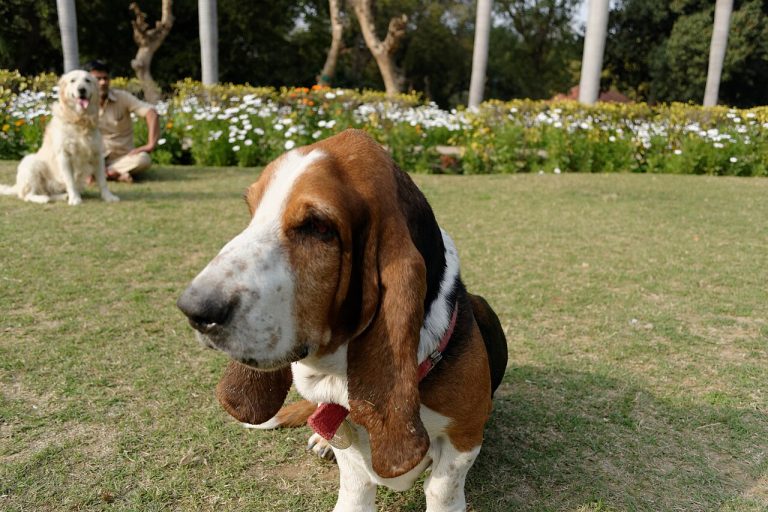
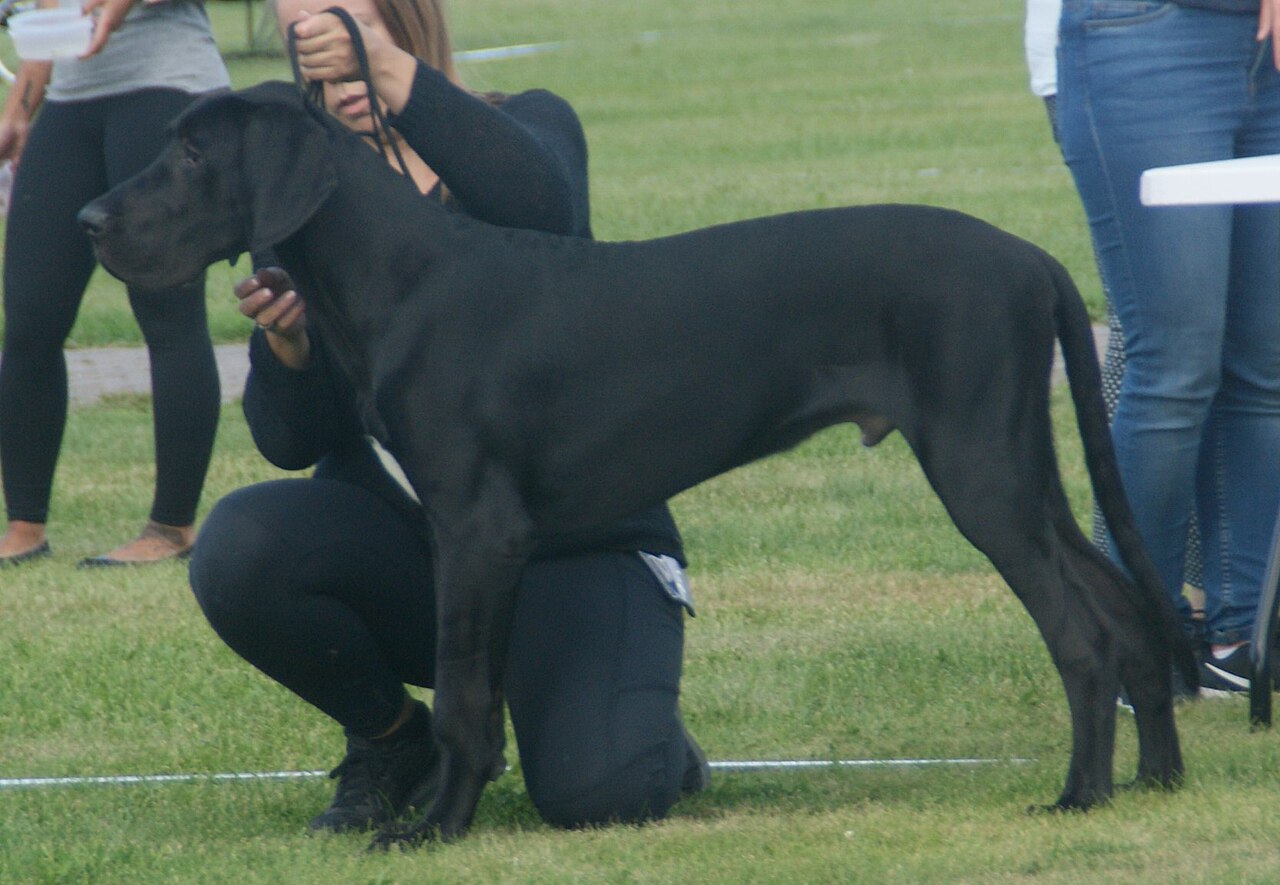
Bloat is overwhelmingly a disease of deep, narrow chests. The Great Dane tops every risk list, with lifetime estimates approaching four in ten; the Weimaraner, Irish Setter, Saint Bernard, German Shepherd, Standard Poodle, and Bloodhound all carry serious risk, and even the low-slung Basset Hound makes the list because chest shape, not height, is what counts. Risk rises with age, with having a relative who bloated, and with anxious, gulping eaters. Small and mixed-breed dogs are not immune, just far less likely.
What Actually Helps Prevent It
The research has shifted over the years, and some old advice aged badly, so here is the current picture. Feed two or three smaller meals instead of one large one. Slow down speed-eaters with a slow-feeder bowl or scattered kibble. Keep hard exercise an hour away from meals on both sides. Skip raised food bowls, which were once recommended and are now associated with higher risk in large breeds. Keep the dog lean and keep mealtimes calm. None of this makes the risk zero, which is why the surgical option matters: preventive gastropexy, tacking the stomach so it cannot twist, is commonly done alongside spay or neuter in the highest-risk breeds, and for a Dane or Weimaraner owner it is a conversation worth having with your vet before there is ever an emergency.
If You Suspect It, Right Now
Call the emergency clinic while someone else drives, so they are ready for you; minutes matter and a warned surgical team moves faster. Do not try to relieve the gas yourself, do not offer food or water, and do not wait for morning because the regular vet is cheaper. GDV surgery is expensive, which is the honest argument for pet insurance in the high-risk breeds, and it is also overwhelmingly successful when the dog arrives early. The dogs that do badly are almost always the ones that arrived late.
Every breed guide on this site flags bloat where the risk is real. If you share your home with a deep-chested dog, teach the signs to everyone in the house, including the dog sitter. It is five minutes of reading that occasionally buys ten more years of dog.