When Do Puppies Calm Down?
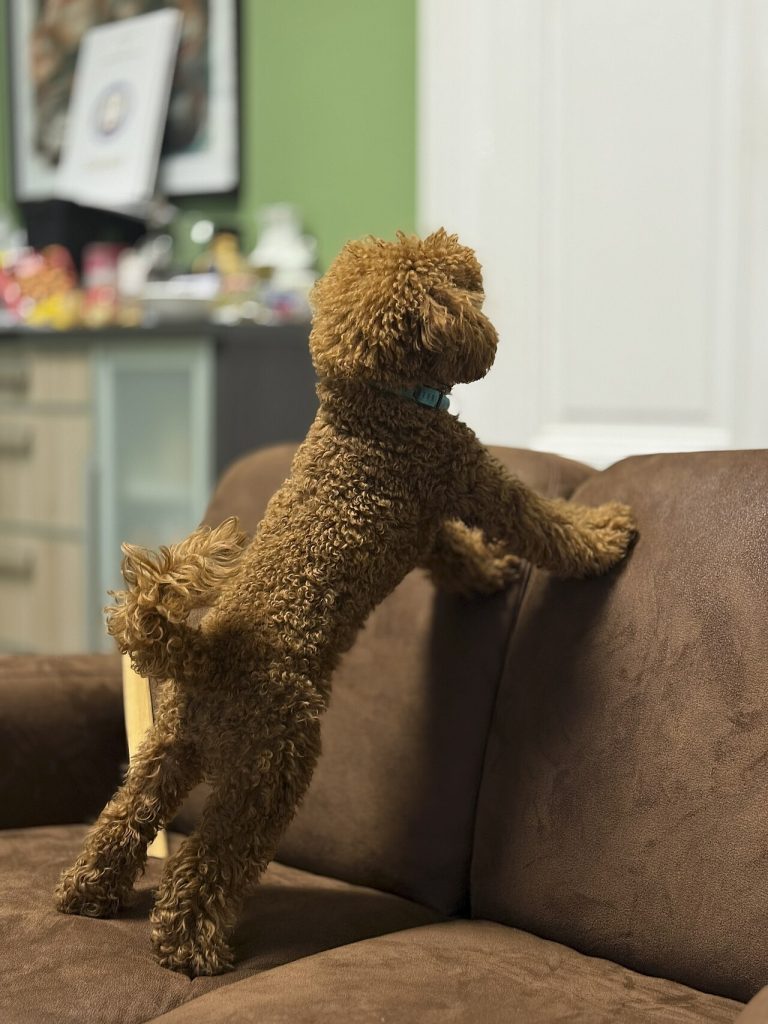
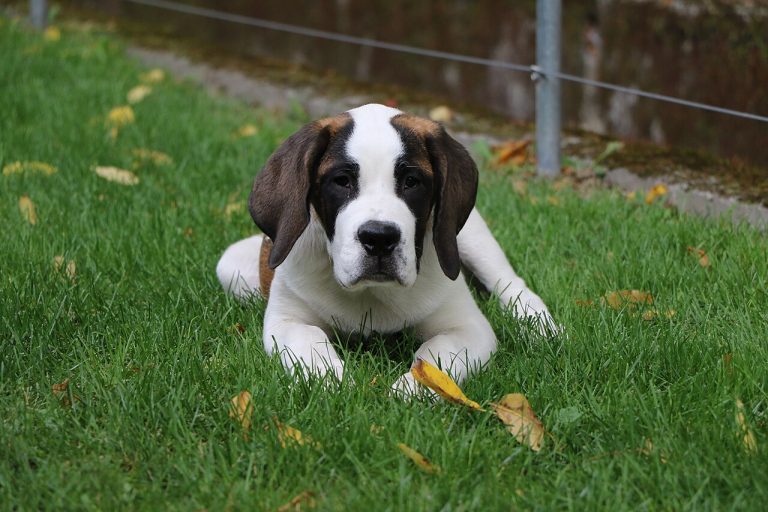
Most puppies begin to settle noticeably between six and twelve months, and reach something like adult calm between one and two years. High-energy breeds take until two or three. The energy does not vanish; it becomes manageable, provided exercise, training, and, counterintuitively, enough sleep are all in place.

The Timeline, Honestly
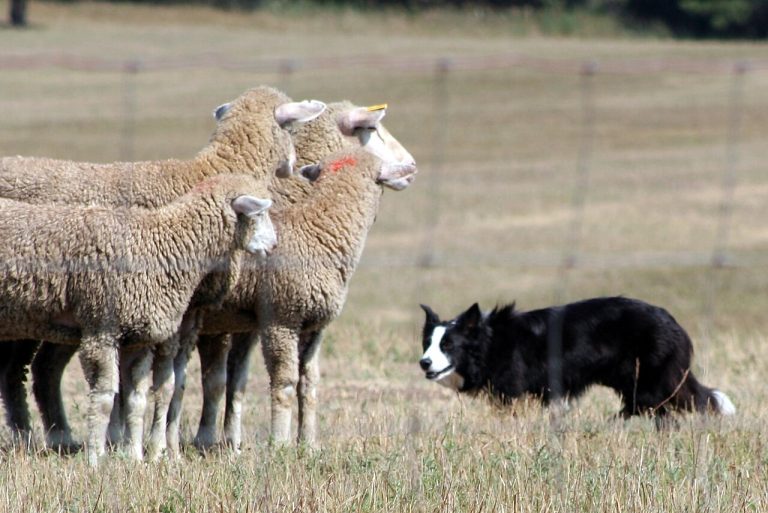
The manic phase peaks somewhere around four to ten months, which is exactly when adolescence adds hormones and selective hearing to the baseline chaos. From six months you will notice the first real off-switch moments; by a year, most dogs can settle in the evening without being made to; by two, you have an adult with occasional puppy relapses. Breed sets the slope. A Cavalier or Shih Tzu mellows early. A Lab or Boxer stays boisterous until two or three. Working breeds like the Border Collie and Husky never exactly calm down; they become adults whose energy has a job. If calm is what you are shopping for, that belongs in the breed decision, not the training plan.
The Overtired Secret
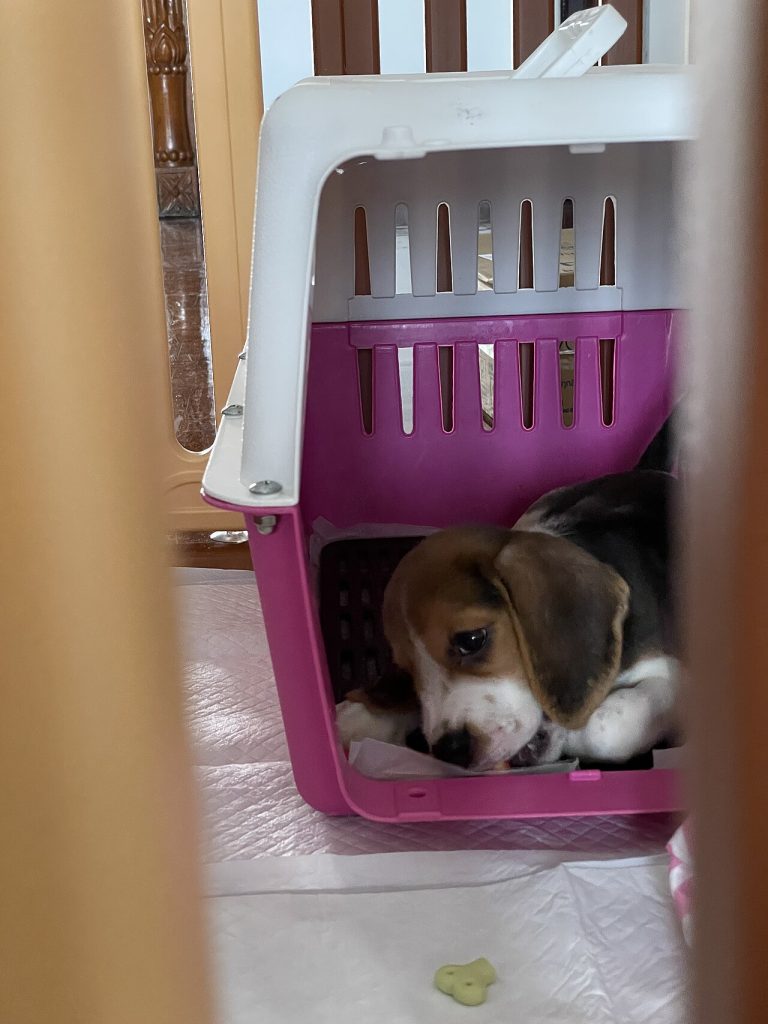
Here is the counterintuitive part that saves households: the puppy ricocheting off furniture at 8 p.m. is usually not under-exercised, it is overtired. Puppies need 18 to 20 hours of sleep and are terrible at putting themselves to bed; past a certain point they run on cortisol, which looks exactly like “needs more exercise” and gets worse when you provide it. The fix is enforced naps, a crate or pen in a quiet corner on a predictable rhythm of activity then rest (our crate guide covers the setup). Pair that with mental work, ten minutes of training or a food puzzle tires a puppy more than an hour of fetch, and keep structured exercise inside safe limits for growing joints (see how much exercise a puppy needs).
What You Can Speed Up, and What You Cannot
You cannot rush maturity; the adolescent brain finishes when it finishes, and neutering does not meaningfully change the energy timeline. What you can do is teach calmness as a skill: reward the dog for lying quietly (most owners only pay attention to activity, so dogs learn activity pays), practice a settle-on-mat routine, and keep greetings low-key so arousal is not rehearsed daily. And take heart from the shelter world’s open secret: adult dogs, two years and up, arrive with this entire article already behind them, which is why they make such underrated first dogs.