Why Do Dogs Howl?
Dogs howl to make contact across distance, to answer sounds that resemble other howls (sirens, especially), and sometimes to announce loneliness or claim attention. It is inherited wolf communication, not sadness or pain in most cases. Howling only signals a problem when it is new, constant, or happens every time the dog is left alone.

The Wolf Software, Still Running
Wolves howl to gather the pack, mark territory acoustically, and find each other across miles; a howl carries much farther than a bark. Your dog inherited the software. The siren duet is the clearest demo: a passing ambulance hits frequencies close enough to a howl that many dogs reflexively answer it, then stop when the siren passes. That is a conversation, not distress, and no, the siren does not hurt their ears; a dog in pain from sound hides rather than sings. Group howling works the same way, which is why one dog starting sets off the neighborhood: everyone is answering everyone, exactly as designed.
Why Some Dogs Sing and Others Never Do
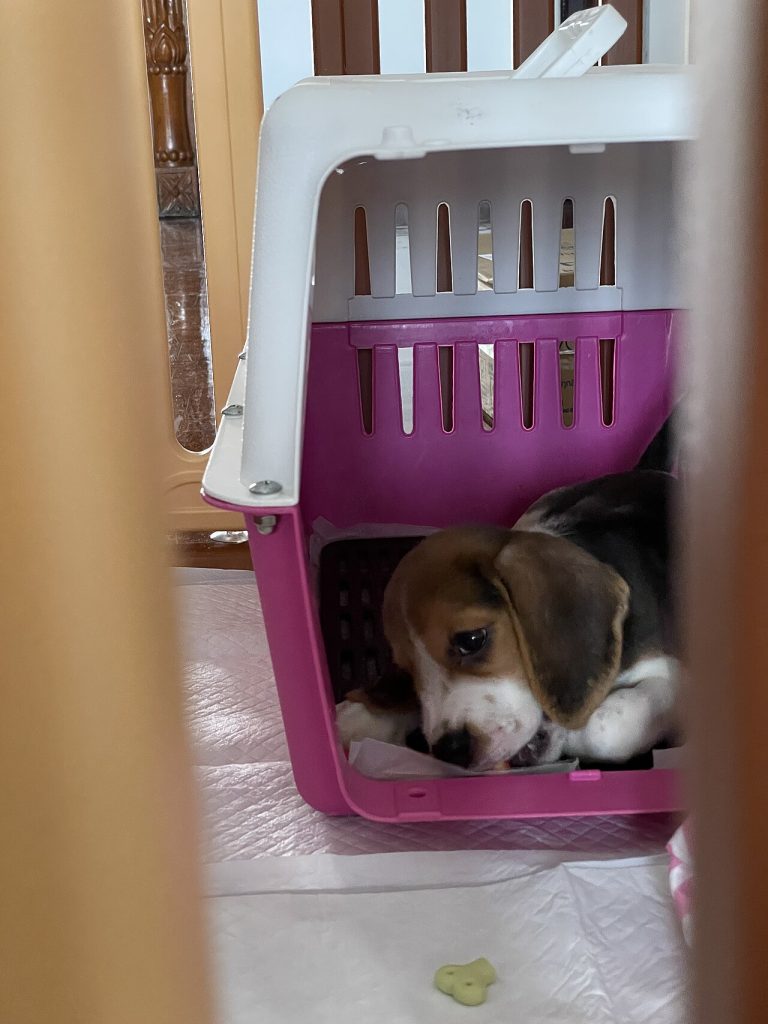
Breed wiring decides most of it. Northern breeds like the Husky and Malamute barely bark and howl instead, complete with the yodeling back-talk Husky owners either treasure or endure. Scent hounds like the Beagle, Basset, and Bloodhound carry a working bay, bred in so hunters could follow the trail by ear, and it surfaces whenever something smells important. Plenty of other breeds go a lifetime without a single howl, which is also normal. If a quiet-breed dog suddenly becomes a howler, or any dog’s vocal habits change sharply, that is the moment to look for a cause rather than a quirk.
When Howling Is a Message for You
Three patterns matter. Howling that happens only when the dog is alone, reported by neighbors and paired with destruction or house soiling, is the soundtrack of separation anxiety and needs a real training plan, not a bark collar (our article on velcro dogs vs separation anxiety explains the difference). Howling that reliably produces your attention has simply been trained by you, and retrains the same way: pay silence, ignore the aria. And new howling in an old dog, especially with disorientation or nighttime restlessness, can signal pain or cognitive decline worth a vet visit; the guide on when to call the vet helps you weigh it. The occasional siren solo, though, is just your dog answering a call older than the sofa it sings from.