Is Your Dog Overweight? The 30-Second Check That Adds Years
More than half the dogs in the Western world are overweight, and almost none of their owners think so. That gap is the whole problem. We are so used to seeing round dogs that a healthy-weight dog looks skinny to us, and the extra kilos read as love, treats given, meals topped up, a dog that enjoys its food. The research is not ambiguous about the bill: a landmark lifetime study of Labrador littermates found the lean-fed dogs lived nearly two years longer than their moderately overweight siblings. Two years. No supplement, medication, or superfood on the market offers a fraction of that, and this one is free.
Forget the Scale: Use Your Hands and Eyes
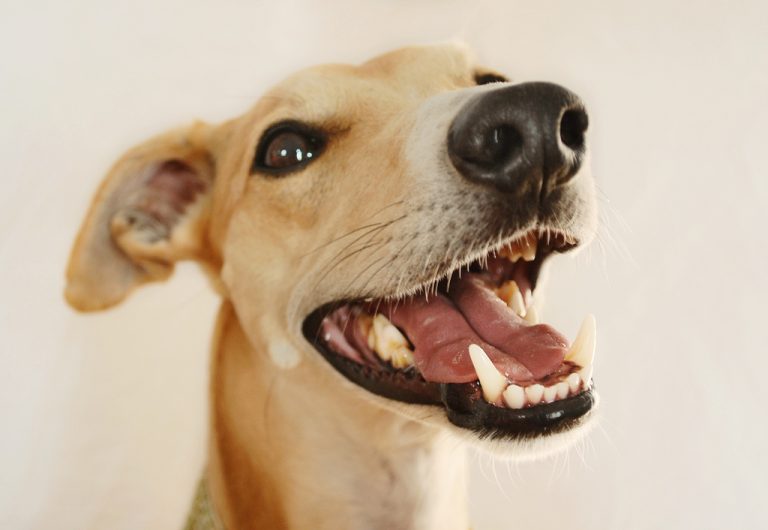
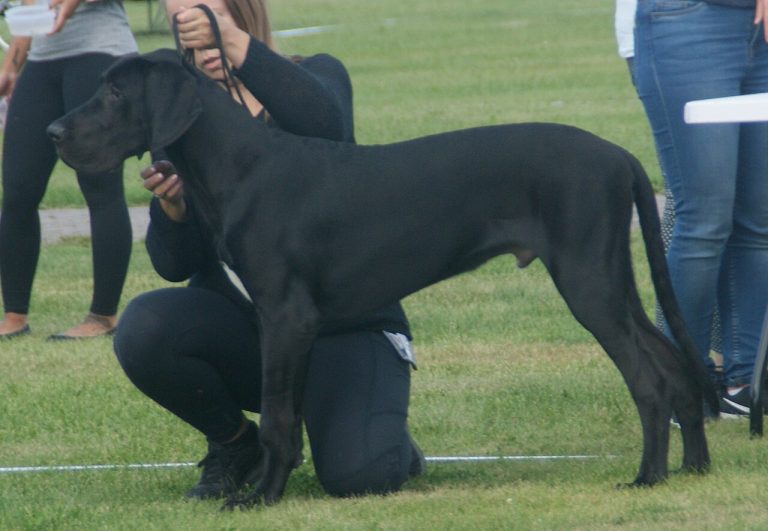
Breed weight ranges are wide and individual dogs vary, so vets use body condition instead of kilograms, and you can run the same check monthly in thirty seconds. The rib test: with light pressure on the dog’s side, you should feel ribs easily, the way you feel the bones on the back of your hand. If you have to press and search, there is too much padding; if the ribs are visible from across the room on a non-sighthound, too little. The waist test: from above, the dog should narrow visibly behind the ribs; from the side, the belly should tuck upward toward the hindquarters rather than hanging level. Feel ribs, see a waist, see a tuck: that is a fit dog, whatever the scale says.
Why the Weight Sneaks On
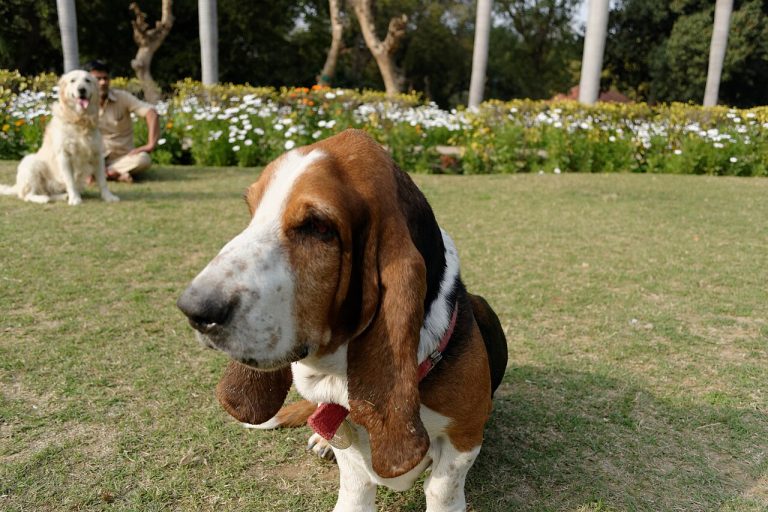
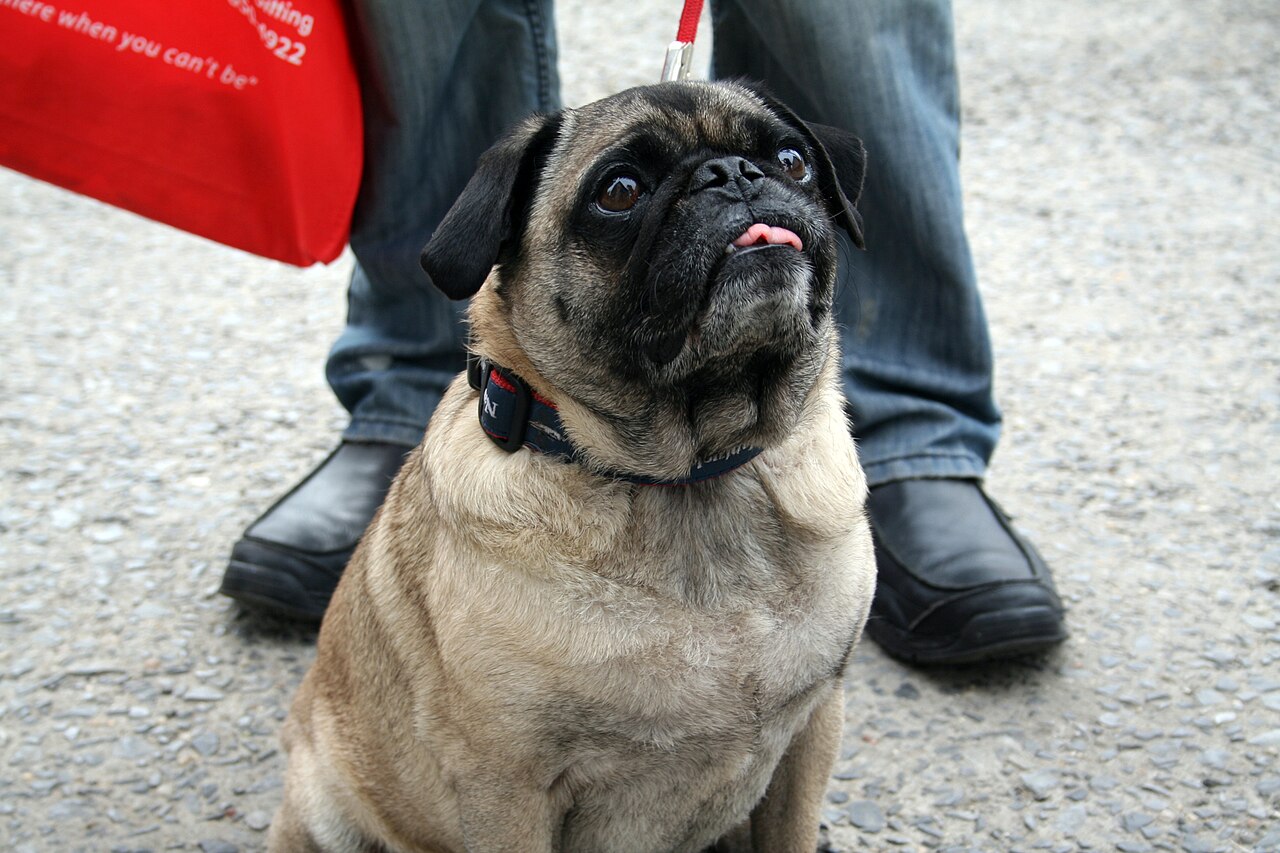
Almost nobody overfeeds at mealtime and knows it. The weight arrives through the side doors: the cup that is actually a mug, the bag’s feeding chart written for intact working dogs rather than your neutered couch companion, and above all the treats, which owners mentally file under “love” instead of “calories.” A single dental chew can be a tenth of a small dog’s daily energy budget; a slice of cheese for a Dachshund is the caloric equivalent of a burger for you. Some breeds also run hungry by design: the Labrador carries a documented gene variant that mutes its off-switch, and the Beagle, Pug, and Basset Hound audition for extra food professionally. The dog is not lying about being hungry. It is just wrong.
The Fix, Which Is Boring and Works
Measure the food with an actual measuring cup or, better, a kitchen scale, because scoop drift is real. Cut the daily ration by ten to fifteen percent if the rib test failed, and count treats inside the budget rather than on top of it, swapping half of them for carrot pieces, green beans, or pieces of the dog’s own kibble delivered with the same enthusiasm (the dog is buying the ceremony, not the calories). Feed slow eaters from puzzle feeders so dinner takes minutes instead of seconds. Weigh the dog monthly, aiming for slow loss, one or two percent of body weight a week at most, and recheck the ribs rather than trusting your eyes, which will adjust to the new shape and start lying again. And rule out the medical impostor first if the weight came on quickly: hypothyroidism does exactly this, especially in middle-aged dogs, and a blood test settles it.
Why It Is Worth the Sad Eyes
Every extra kilo loads the exact machinery your dog needs for a long life: the hips of a German Shepherd, the spine of a Dachshund, the airway of a Pug, the knees of every small breed, the heart of everything. Arthritis arrives earlier, surgery gets riskier, hot days get more dangerous, and the last years get slower and fewer. The lean-fed Labradors in that study did not just live longer; their arthritis arrived years later. Your dog will forget tonight’s smaller portion by tomorrow. It will spend the extra two years with you without ever knowing where they came from.
Every breed guide on this site tells you honestly whether your dog is a self-regulator or a professional beggar. Check yours, then check the ribs.