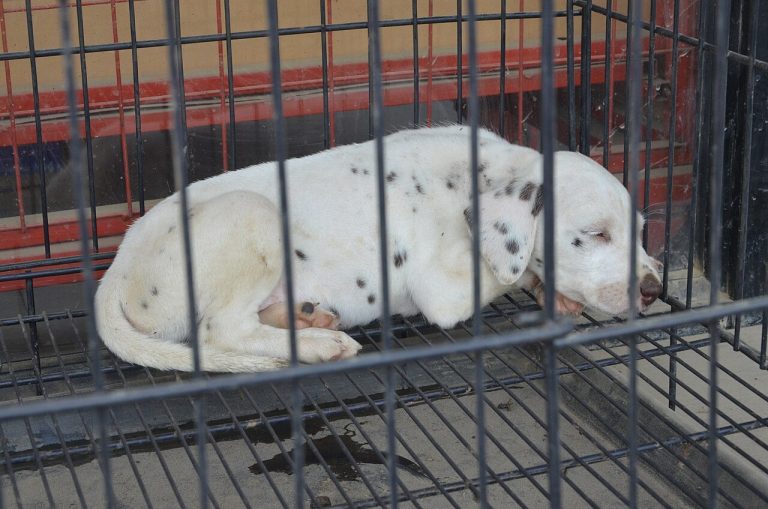
Puppy Socialization: The Window That Shapes Your Dog’s Life
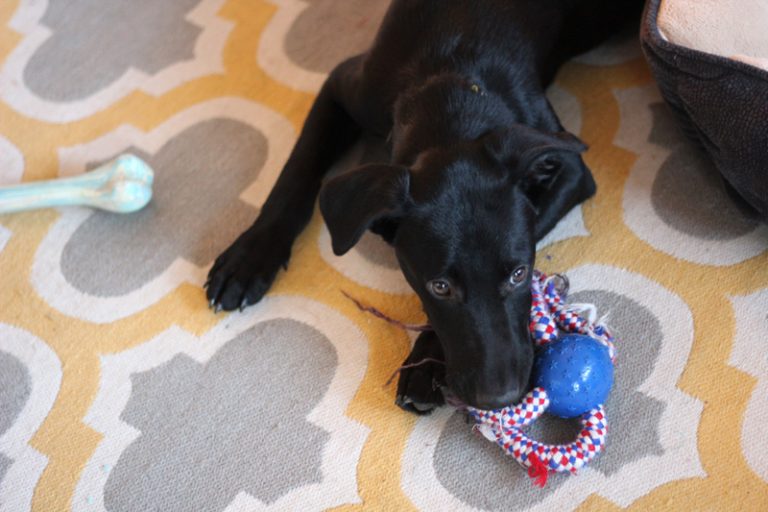
Between roughly three and fourteen weeks of age, a puppy’s brain runs a once-in-a-lifetime program: everything it meets calmly during this window gets filed as “normal,” and much of what it never meets gets filed, forever after, as “suspicious.” This is the socialization window, it is the single most important stretch of a dog’s behavioral life, and it closes whether you use it or not. The difference between a dog that sails through fireworks, vet visits, and toddlers, and a dog that spends ten years managing fear, is mostly what happened in those few weeks.
What Socialization Actually Means
Here is the misunderstanding that undoes most good intentions: socialization is not exposure, it is positive exposure. A puppy overwhelmed at a loud barbecue is not being socialized; it is being taught that gatherings are frightening. The formula is new thing plus good outcome plus the puppy’s own pace. Let the puppy observe the skateboard from a distance while treats happen. Let it approach the stranger rather than being handed over. One calm, chosen encounter is worth ten flooded ones, and a puppy that gets scared needs distance and cheerfulness, not more of the scary thing.
The Checklist That Matters
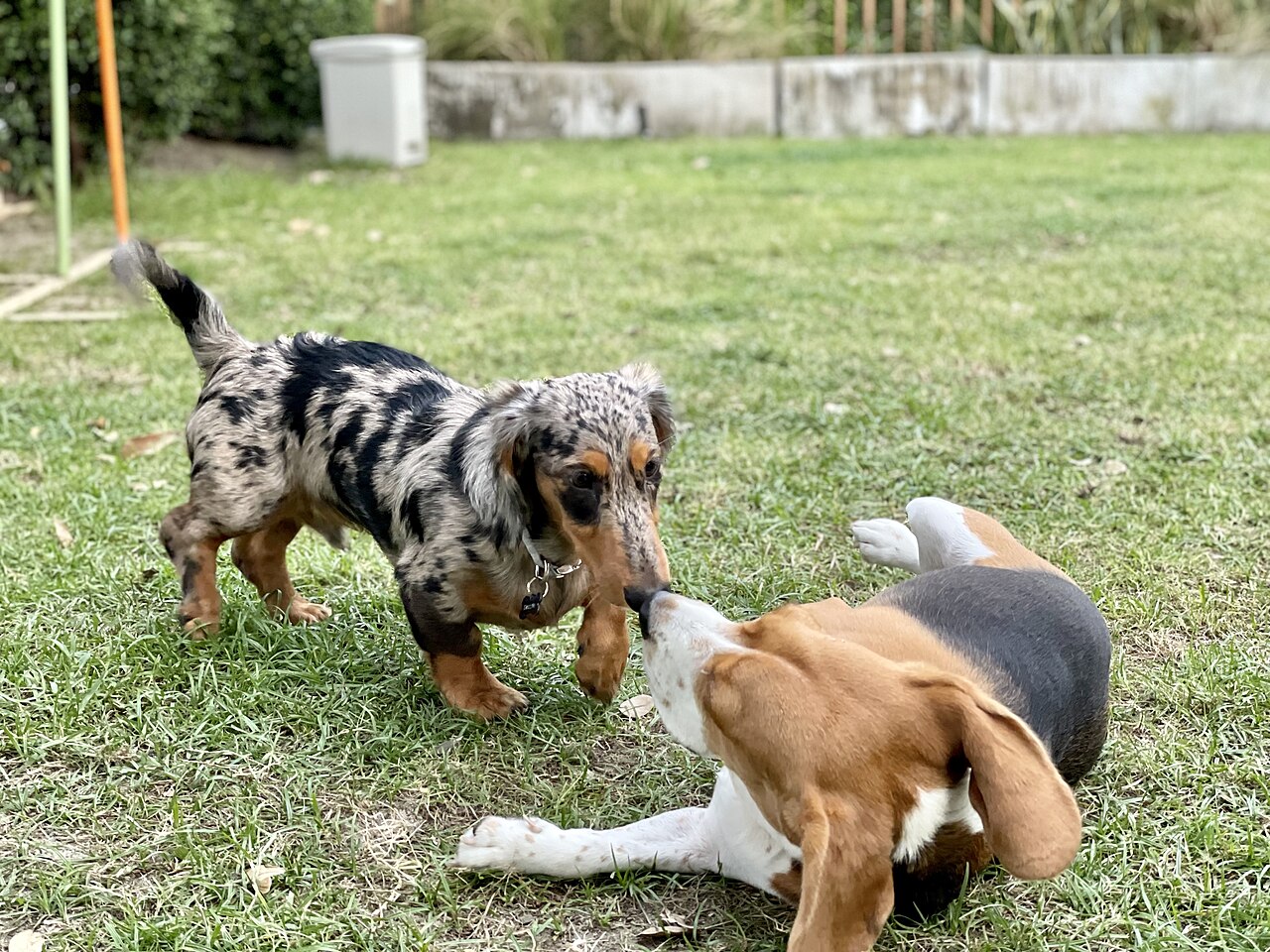
Think in categories, not events. People: men with beards, children moving like children, people in hats, uniforms, wheelchairs, umbrellas. Surfaces: grass, gravel, metal grates, wobbly things, stairs. Sounds: traffic, vacuum cleaners, thunderstorm recordings played softly during dinner, doorbells. Handling: paws held, ears examined, teeth peeked at, all paid generously, because your vet and groomer will thank you for a decade. Dogs: a handful of known-friendly, vaccinated adult dogs teach better manners than any free-for-all, since a good adult dog corrects a rude puppy with perfect timing and zero harm. And absences: time alone, in small doses, is on the checklist too, which surprises people and prevents more heartbreak than almost anything else on it.
The Vaccine Question, Answered Sensibly
Owners hear “keep the puppy home until shots are done” and “socialize before fourteen weeks” and notice the math does not work. Veterinary behaviorists resolved this years ago: the behavioral risk of a sealed-off puppyhood outweighs the disease risk of sensible outings, which is why major veterinary organizations endorse early socialization with precautions. Sensible means carried in arms through busy places, visits to vaccinated friends’ dogs in clean yards, puppy classes that check vaccination records, and a hard no on dog parks and unknown-dog areas until the vet clears them. The window will not wait for the final booster. Work inside it, carefully.
Breed Changes the Homework
Every puppy needs this work; some need it with interest. Guardian breeds like the Rottweiler, German Shepherd, and American Bulldog are wired to distinguish familiar from foreign, and generous early socialization is what calibrates that instinct into judgment instead of suspicion. Naturally reserved breeds like the Shiba Inu and Shetland Sheepdog need their window used gently and thoroughly. Meanwhile a Golden Retriever or Cavalier arrives half-socialized by genetics, and still benefits from the full tour.
Missed the Window? Here Is the Honest News
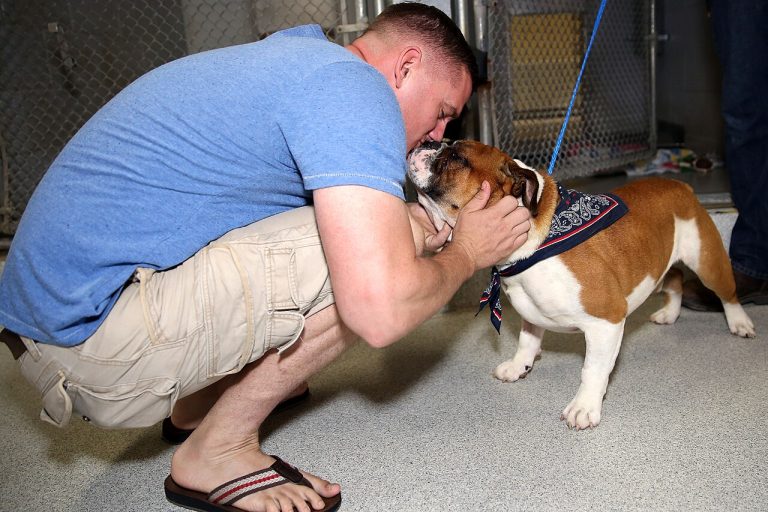
Adult dogs, including rescues with unknown histories, can absolutely learn that the world is safer than they believed; it is just slower work called counter-conditioning, done in the same currency of distance, patience, and good outcomes. An undersocialized adult will probably never become the life of the dog park, and does not need to. It needs a predictable routine, a human who does not force greetings, and weeks of small wins. Shelter staff and foster homes can tell you exactly where a dog’s comfort zone ends, which is a head start no eight-week-old puppy comes with.
Whether you are raising a puppy through the window or helping an adult catch up, our breed guides tell you what each breed’s social wiring expects, and the dogs at your local shelter are ready to show you how far patience goes.