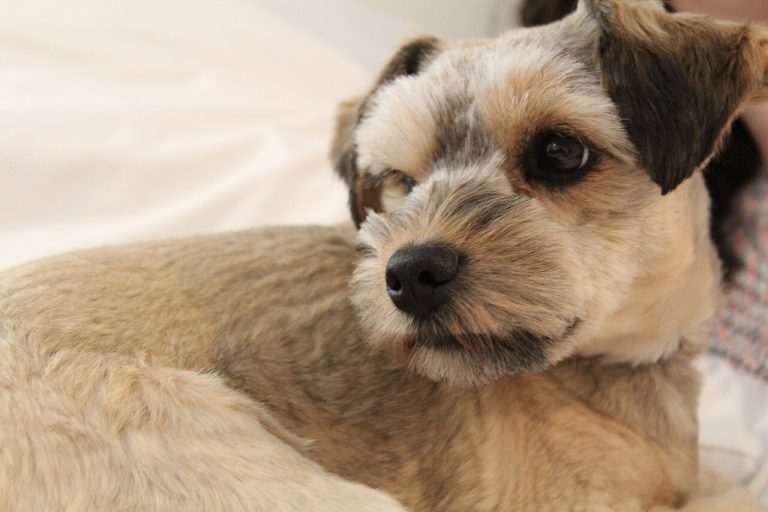
Bulldog (American) Dog Breed Guide
While its English cousin was being bred into a companion, the American Bulldog stayed in work clothes. Southern farmers kept the old working bulldog going as a catch dog and farm guardian, and the modern breed still reads like the job description: powerfully muscled, athletic in a way that surprises people expecting a couch bulldog, and bonded to its family with a seriousness the show breeds traded away. This is a real working dog wearing a bulldog’s face, and it needs to be chosen as one.
| Size | Medium |
|---|---|
| Weight | 60–100 lb |
| Lifespan | 10–12 years |
| AKC Group | Non-Sporting |
| Energy Level | Moderate |
| Good with Kids | Very Good |
| Shedding | Moderate |
| Trainability | Good |
Temperament & Personality
With its own people, an American Bulldog is affectionate to the point of comedy: a seventy-pound dog that believes in laps, follows family members from room to room, and greets returning humans like liberating armies. They are famously good with their own children, patient and physical in equal measure, and the play style is contact sport, better suited to sturdy kids than to toddlers.
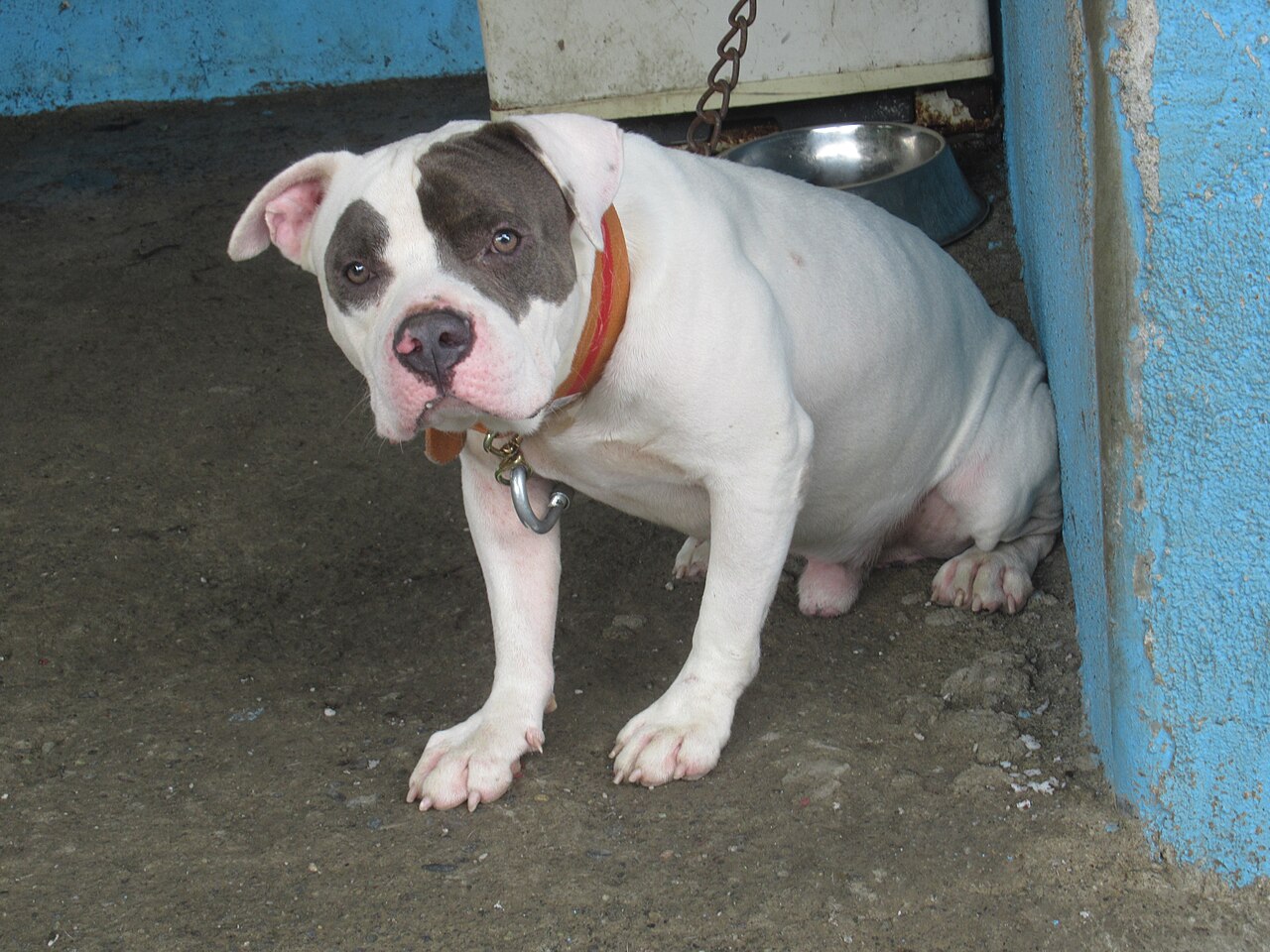
The working heritage requires honest handling. American Bulldogs are natural guardians, reserved with strangers and territorial without theatrics, and some are selective about other dogs, particularly of the same sex. None of this is a flaw; all of it is a responsibility. Early, generous socialization, careful dog-to-dog introductions, and an owner comfortable being calmly in charge turn the guardian instincts into steadiness. Skipped, the same instincts make decisions on their own, at seventy pounds.
Health & Lifespan
American Bulldogs are sound working stock, typically reaching 10 to 12 years, with a list dominated by structure. Hip and elbow dysplasia run through the breed, so OFA or PennHIP paperwork on both parents is the entry ticket when buying, and keeping the adult lean is the daily medicine. Some lines carry a genetic condition called NCL (a neurological disease with a cheap DNA test; good breeders run it) and ichthyosis, a scaly-skin disorder, likewise testable. Ask for results, not stories.
The shorter-muzzled dogs handle heat worse than the athletic-headed ones, so know which face your dog wears and schedule summer accordingly. Skin allergies and demodex show up in some youngsters, cherry eye occasionally, and everything else is standard big-dog upkeep: measured meals, nail care for a heavy frame, and prompt attention to limps in a breed that hides pain behind work ethic.
Training & Exercise
Train early, train kindly, and train like it matters, because with this breed it does. American Bulldogs are intelligent and genuinely eager to work with their person, but they respect consistency and read wavering leadership as a vacancy announcement. Reward-based methods build the bond the breed runs on; harsh corrections build resistance in a dog with more determination than you have. The core curriculum is leash manners, rock-solid greetings, and a recall practiced for life, plus structured introductions to new dogs rather than dog-park roulette.
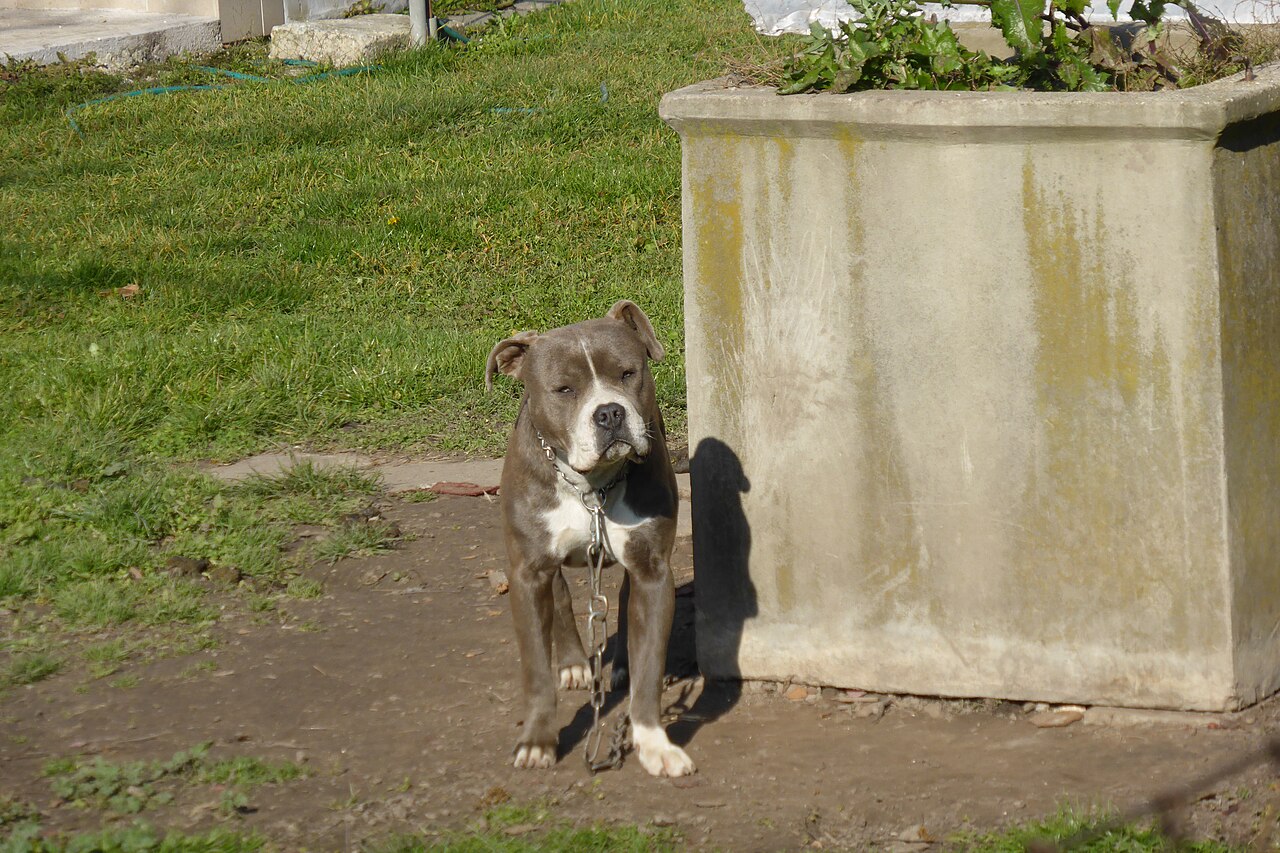
Exercise runs an hour or more daily and should include real work for the body and brain: brisk walks, tug with rules, weighted pack hikes, spring-pole play, or the weight-pull sports where the breed excels. This is not a jogging machine like a pointer, but it is far more athlete than its English cousin, and an under-worked American Bulldog renovates property. Heat rules apply in summer; muscle mass and shorter muzzles both argue for dawn and dusk.
Grooming
Grooming is a footnote: a weekly pass with a rubber mitt over the short coat, baths when the farm-dog lifestyle earns one, nails every couple of weeks on a frame this heavy, teeth regularly, and a weekly ear check. Dogs with facial wrinkles need them wiped and dried a few times a week. The moderate shedding is real but manageable, and the whole routine costs fifteen minutes a week, which is the least demanding thing about the breed.
Is the American Bulldog Right for You?
Choose this breed if you have dog experience or serious commitment, a securely fenced yard, time for daily training and exercise, and a family that wants a devoted guardian-athlete. Check your local rules first; some housing and insurance policies restrict the breed, unfairly but really. Skip it as a first dog, for dog-park social lifestyles, or for households that outsource the dog to the backyard. If you love the bulldog aesthetic with the working edge sanded off, meet the English Bulldog; for family clownery in an athletic package, the Boxer; for sheer calm mass, the Mastiff. American Bulldogs fill shelters in much of the country, big-hearted dogs surrendered by homes that bought muscle and skipped the manual. Adopt one from a rescue that temperament-tests, put in the training hours, and you get what the farmers always knew: the most loyal working partner in the bulldog family.
Adopt an American Bulldog
Bully-breed rescues temperament-test honestly and match dogs to homes that fit. Shelters and rescues list new dogs every day.