Crate Training a Puppy: The Kind Way That Works
Crate training has an image problem, and it is entirely the fault of people who use crates wrong. Used badly, a crate is a cage where a dog waits out your workday. Used well, it is the dog’s own room: the place it retreats to by choice during thunderstorms, the reason house-training takes weeks instead of months, and the difference between a calm vet stay or car journey and a panicked one. Dogs are den animals by inheritance. The crate is not the prison; it is the den. Your job is to make sure the dog agrees.
What the Crate Is For (and What It Is Never For)
The crate has three legitimate jobs: a safe place for a puppy when nobody can watch it, a house-training accelerator (dogs avoid soiling their sleeping spot, which is the whole trick), and a portable den for travel, vet stays, and emergencies. It has one forbidden job: punishment. The moment the crate becomes where the dog gets sent when you are angry, you have converted an asset into a threat, and the dog’s opinion of it may never recover. Time-outs happen in a boring hallway. The crate stays sacred.
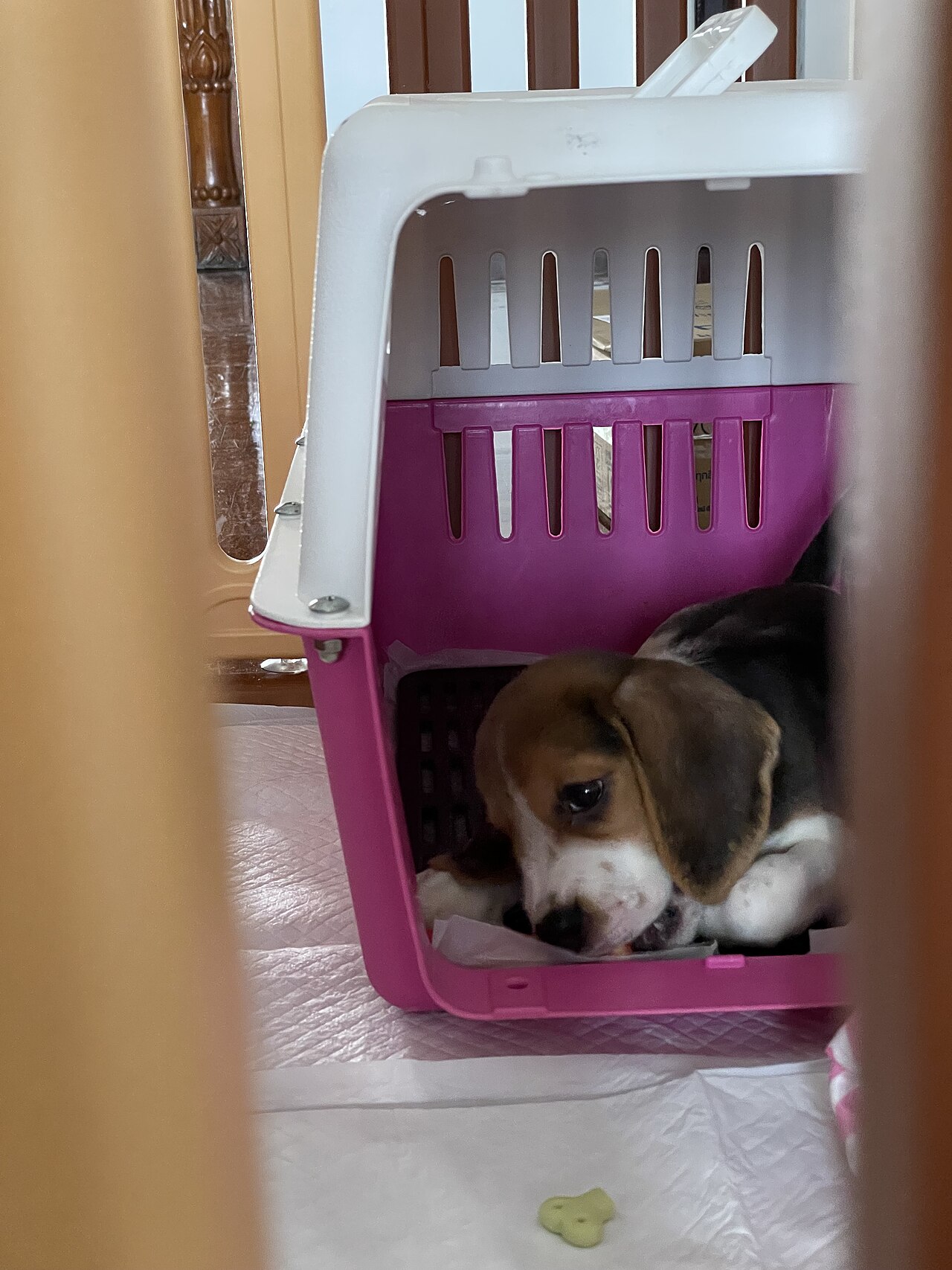
Setting It Up So the Dog Votes Yes
Size matters more than owners expect: big enough to stand, turn, and stretch out, and not much bigger, or a puppy will sleep in one corner and use the other as a bathroom, defeating the entire mechanism. For a growing puppy, buy the adult size with a divider panel and move it back as the dog grows. Put the crate where life happens, the living room or your bedroom rather than the laundry room, because a den is only comforting if the pack is nearby, and a puppy’s first nights go dramatically better with the crate beside your bed. Soft bedding, an old shirt that smells like you, and a cover over the top of a wire crate turn a box into a burrow.
The Training, Step by Patient Step
Never shove a dog in and shut the door on day one; you get one first impression and that spends it. Instead, run a quiet campaign of good things happening in the crate. Toss treats inside and let the puppy walk in and out freely, door open, no commentary. Feed meals in there. Introduce a cue (“crate” or “bed”) as the puppy walks in, and start closing the door for seconds, then minutes, while you sit right there. Then leave the room for a minute and come back before the puppy has an opinion about it. Stretch the intervals over days, not hours, and pay every quiet moment with calm praise or a treat through the bars. A stuffed, frozen food toy handed over as you close the door does more for crate enthusiasm than any technique on this page.
The hardest rule is also the most important: do not open the door while the puppy is crying, or you have taught it that crying is the door handle. Wait for three seconds of quiet, then open with minimal fuss. The corollary matters just as much: a puppy crying at 2 a.m. may genuinely need to go out, so make the trip, keep it dark and boring, and return to the crate without a party. You will learn to tell the “I need out” cry from the “I object on principle” cry faster than you expect.
How Long Is Too Long
The crate’s daily arithmetic is strict: a puppy can wait roughly one hour per month of age, capped around four hours even for dogs that could physically last longer, and adult dogs should not live crated workday after crated workday. The crate is a bedroom, not a storage unit. If your schedule demands more hours than the math allows, the answer is a pen with a bathroom area, a midday dog walker, or daycare, not a bigger tolerance for crying. Breeds with real separation-anxiety wiring, like the Vizsla, Weimaraner, and Labradoodle, need the alone-time training even more gradually, and a crate is part of the solution only when it has been made genuinely safe-feeling first.
Rescue Dogs and the Crate Question
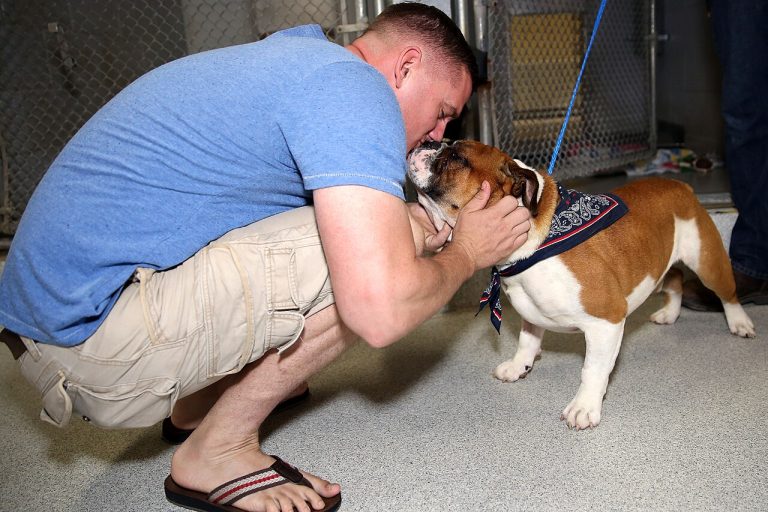
Adult rescues split into two camps. Many arrive crate-trained and visibly relax when they discover their new home has a den; the crate is the first thing that makes sense in a confusing week. A minority, usually dogs with a bad kennel history, find crates frightening, and forcing the issue is both unkind and unnecessary: an exercise pen, a gated room, or a bed in a quiet corner does the same job. Ask the shelter or foster home what they observed, start with the door open and treats inside, and let the dog cast the deciding vote. A den only counts if the dog believes it.
Choosing your first dog, or your next one? Our breed guides tell you which breeds take to the crate easily and which need the slow lane, and the patient teachers at your local shelter have dogs who already love their dens.