How Long Can a Puppy Hold Its Pee at Night?
A puppy can hold its bladder for roughly one hour per month of age during the day, so a two-month-old lasts about three hours. At night, a sleeping puppy holds longer: expect one or two overnight potty trips until around 12 to 16 weeks, and most puppies sleep through the night by four to six months old.
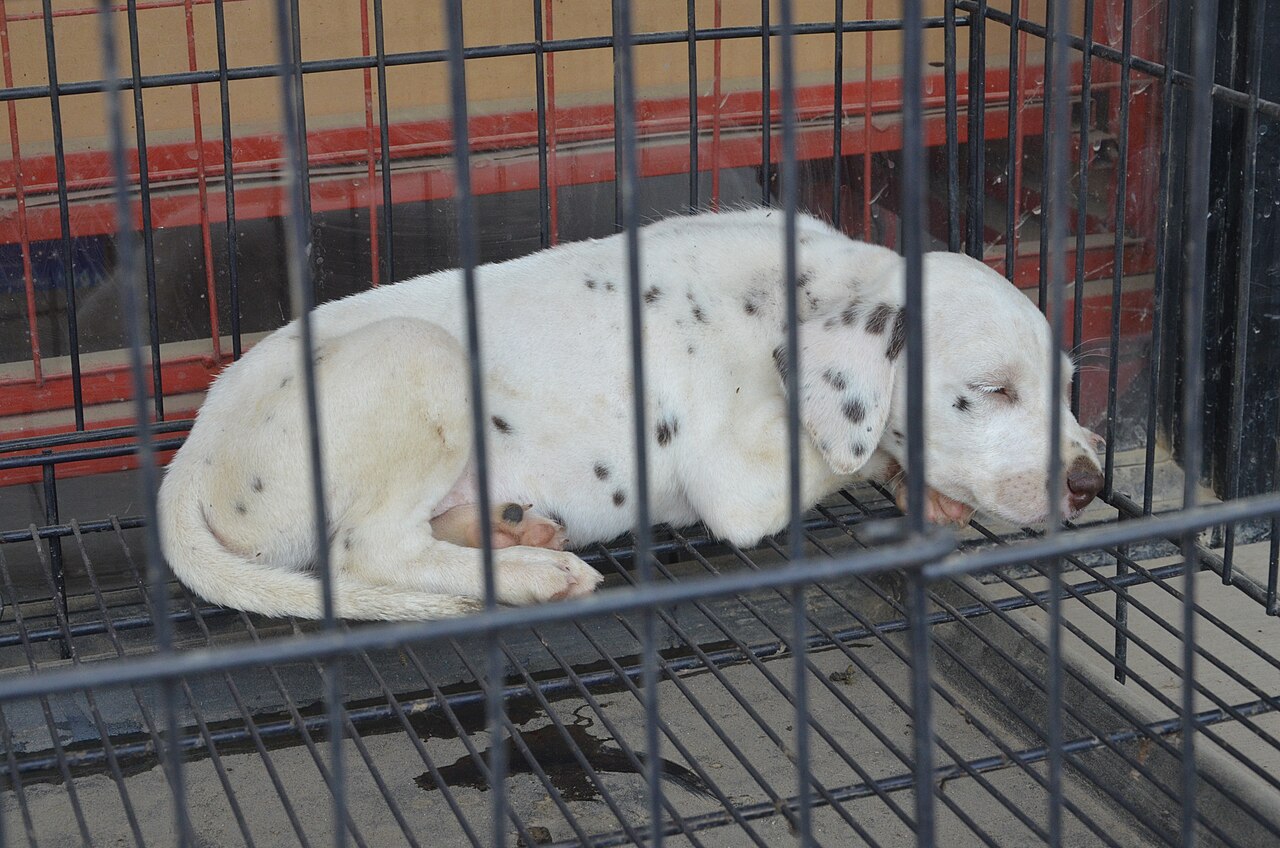
The Math, by Age
The month-plus-one rule is the daytime ceiling: a three-month-old puppy can manage about four hours awake, a four-month-old about five. Sleep changes the equation in your favor, because a resting bladder fills slower and a sleeping puppy is not drinking, playing, or getting excited, which are the three great triggers of puppy puddles. That is why an eight-week-old who needs to go out every two hours all day can often stretch to three or four hours between overnight trips, and why the overnight schedule improves faster than the daytime one.
Getting Through the First Weeks
Set yourself up for the short version of this phase rather than the long one. Pick up the water bowl about two hours before bed, take a final trip outside as the very last thing before lights out, and make that trip boring: out, business, praise, back in, no play. If the puppy cries at 2 a.m., take it out on a leash, keep the lights low and your voice dull, and put it straight back to bed. A crate beside your bed helps enormously here, both because puppies resist soiling where they sleep and because you will hear the genuine I-need-to-go stirring before it becomes an accident. Our crate training guide covers the setup, and the house training guide covers the daytime half of the job.
When the Math Stops Working
A puppy that was dry through the night and starts having accidents again is telling you something. The usual suspects are a growth spurt (more water in, more water out), an evening water refill you did not notice, or a urinary tract infection, which in puppies often shows up as sudden frequent small accidents, sometimes with straining or licking. UTIs are common, uncomfortable, and easily treated, so a backslide that lasts more than a couple of days is worth a vet call rather than a stricter schedule. The same goes for any adult dog that suddenly cannot last the night; that is a medical question, not a training one, and our guide on when to call the vet can help you judge the urgency.
One reassurance to end on: this phase is short. The 5 a.m. garden visits in your pajamas feel eternal in week two and are usually a memory by month four. Adult rescue dogs, for what it is worth, typically arrive with a grown-up bladder and often a house-trained one, which is one of several quiet advantages of adopting past puppyhood.