Mastiff Dog Breed Guide
The Mastiff is the heaviest dog in the world, an animal that regularly outweighs its owner and descends from war dogs Caesar thought worth mentioning. What two thousand years of breeding did with all that power is the surprise: the modern Mastiff is a calm, watchful, deeply gentle homebody whose idea of guarding is standing in a doorway being visible, a strategy that has never once failed. Living with one means furniture negotiations, heroic quantities of drool, and a devotion so quiet you feel it more than see it.
| Size | Large |
|---|---|
| Weight | 120–230 lb |
| Lifespan | 6–10 years |
| AKC Group | Working |
| Energy Level | Low |
| Good with Kids | Very Good |
| Shedding | Moderate |
| Trainability | Good |
Temperament & Personality
Mastiffs are dignity with a heartbeat. They observe household life from a strategic sprawl, follow their people at a stately pace, and dispense affection by leaning, an experience comparable to being hugged by a sofa. With their own family, including children, they are patient and protective in the old nanny-dog tradition; the physical risk to small kids is purely accidental, a tail like a rolling pin and a body that does not always account for its wake.
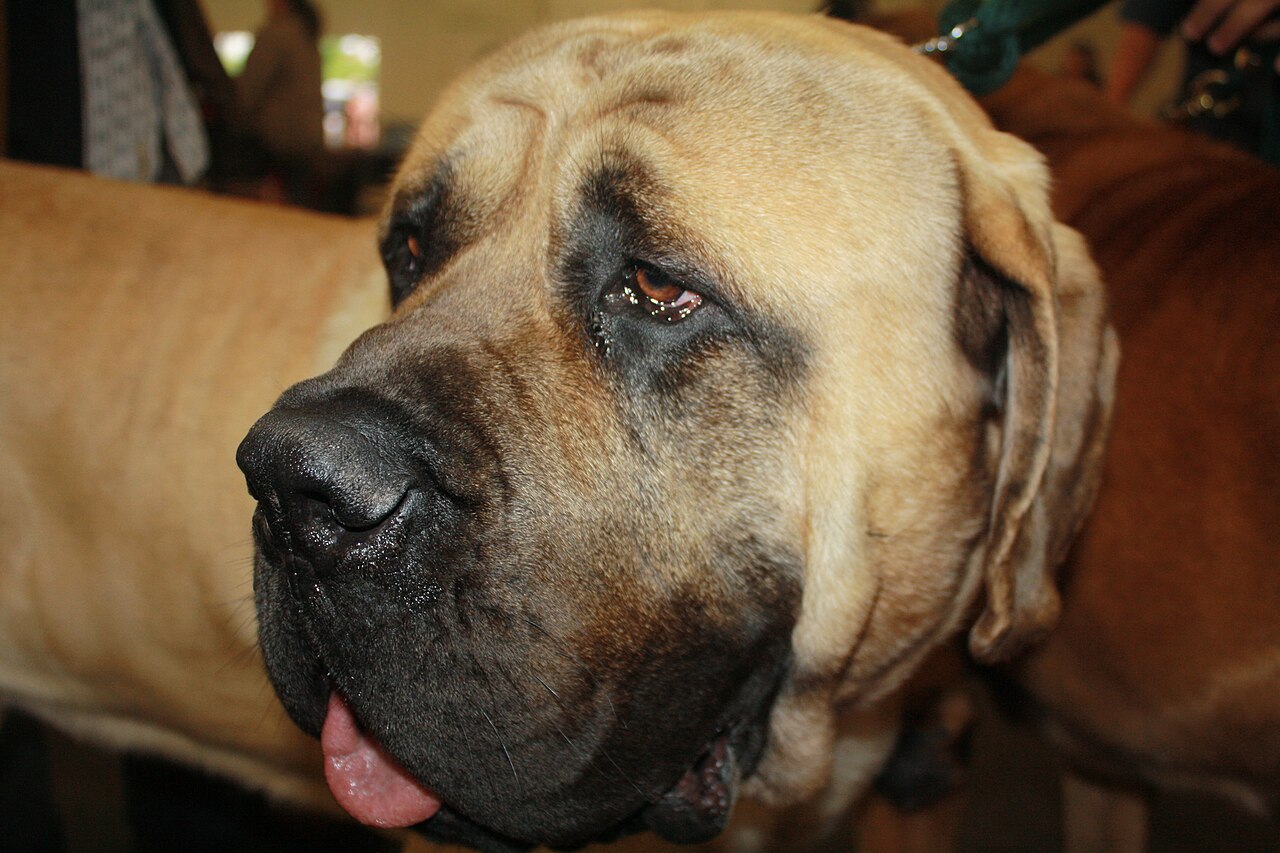
With strangers, expect reserve rather than hostility: a Mastiff assesses, positions itself between its family and the unknown, and waits for the situation to explain itself. Early, broad socialization keeps that guardian judgment calibrated, and it matters enormously in a dog this size. The honest costs are drool (epic, ballistic, ceiling-reaching), snoring that registers on instruments, and a shortened lease on life that every giant-breed lover learns to carry.
Health & Lifespan
Start with the hardest number on this site: 6 to 10 years. Giant breeds pay for their size in time, and a Mastiff owner should know before the puppy arrives that the goodbye comes cruelly early. The years themselves are usually good ones when the big risks are managed, and the biggest is bloat: that cavernous chest is maximum-risk architecture, so feed two or three calm meals daily, keep exercise away from mealtimes, and memorize the emergency signs (swollen belly, unproductive retching, sudden distress). Ask your vet about preventive gastropexy; with this breed it is a mainstream conversation.
Hips and elbows carry heavy loads, so OFA or PennHIP scores on both parents are non-negotiable when buying, and slow, lean growth is the kindest thing you can give a Mastiff puppy: no stairs marathons, no jogging, no roughhousing on hard ground until at least 18 to 24 months. Weight management is lifelong medicine, some lines carry heart conditions worth screening, and everything, from anesthesia to arthritis medication, is priced by the pound. Budget like the dog weighs what it weighs.
Training & Exercise
Train the puppy with the adult in mind, because the adult will outweigh your teenager. Leash manners, calm greetings, and a reliable “off” are the survival curriculum, taught early with rewards and patience. Mastiffs are willing but deliberate students; they process, then comply, and rushing the processing gets you nothing. Harshness is worse than useless with this breed, which responds to raised voices by quietly deciding you lack leadership qualities.
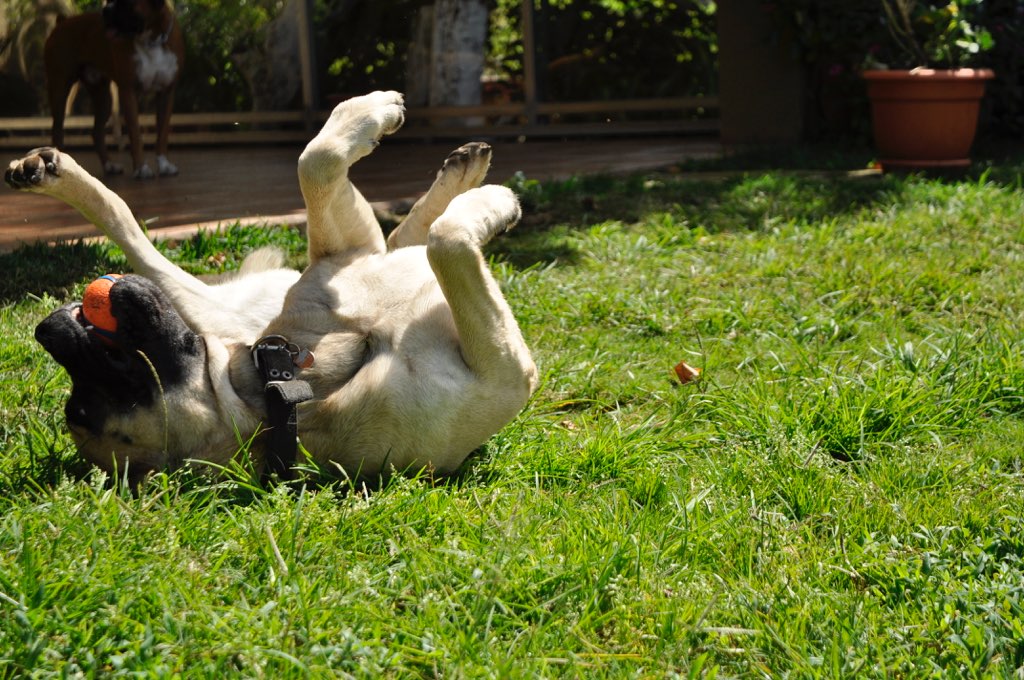
Exercise is modest and mandatory: a couple of unhurried daily walks totaling 30 to 45 minutes keeps the adult sound without stressing the frame. Mastiffs are sprinters-for-seconds and loungers-for-hours, and they overheat fast, so summer outings happen early and late with water on hand. The clumsy, joyful puppy months are the dangerous ones: protect those growing joints like the investment they are.
Grooming
The coat is the easy part: short, dense, moderately shedding, handled by a weekly session with a rubber curry that the Mastiff will receive like a spa treatment. The real grooming is fluid management. The facial wrinkles and those great jowls need a daily wipe-and-dry, drool towels get stationed in every room and the car, and the ears get a weekly check. Baths are a logistics event best planned like small construction projects. Nails and teeth complete a routine that is short on styling and long on laundry.
Is the Mastiff Right for You?
Say yes if you have space, a calm household, a genuine giant-breed budget, and the emotional resilience for a shorter companionship lived at maximum depth. Families with respectful kids get a devoted colossus; quiet homes get the world’s largest lap dog attempting the lap. Say no for small spaces, tight budgets, house-proud lifestyles, or a first dog. If you love the gentle-giant brief with more years and more bounce, meet the Great Dane; for Alpine fur and rescue-dog romance, the Saint Bernard; for webbed feet and water rescue, the Newfoundland. Mastiffs reach rescue when their size outgrows someone’s imagination, and an adult Mastiff rehomes with its dignity intact. It will find the doorway with the best sightlines, lie down in it, and begin the quiet work of guarding you for the rest of its too-short, entirely devoted life.
Adopt a Mastiff
Giant-breed rescues match carefully because they know exactly what these dogs need. Shelters and rescues list new dogs every day.