Border Collie vs Australian Shepherd: Which Smart Dog Fits Your Life?
Nobody picks between a Border Collie and an Australian Shepherd because they want a calm dog. You are here because you want the brilliant one, the dog that learns a trick in three repetitions and looks at you afterward asking what else you have. Both breeds deliver that. The real question is which flavor of relentless intelligence fits your life, because these two run on noticeably different software, and the wrong match is how brilliant dogs end up in shelters with notes that say “too much.”
| Border Collie | Australian Shepherd | |
|---|---|---|
| Weight | 30–55 lb | 40–65 lb |
| Lifespan | 12–15 years | 13–15 years |
| Herding Style | Crouch and stare (“the eye”) | Upright, pushy, close-in |
| Energy Level | Very High | Very High |
| Shedding | Moderate | Moderate |
| Trainability | Excellent | Excellent |
| Good with Kids | Very Good | Very Good |
| Watchdog Instinct | Low | Moderate to High |
Two Different Operating Systems
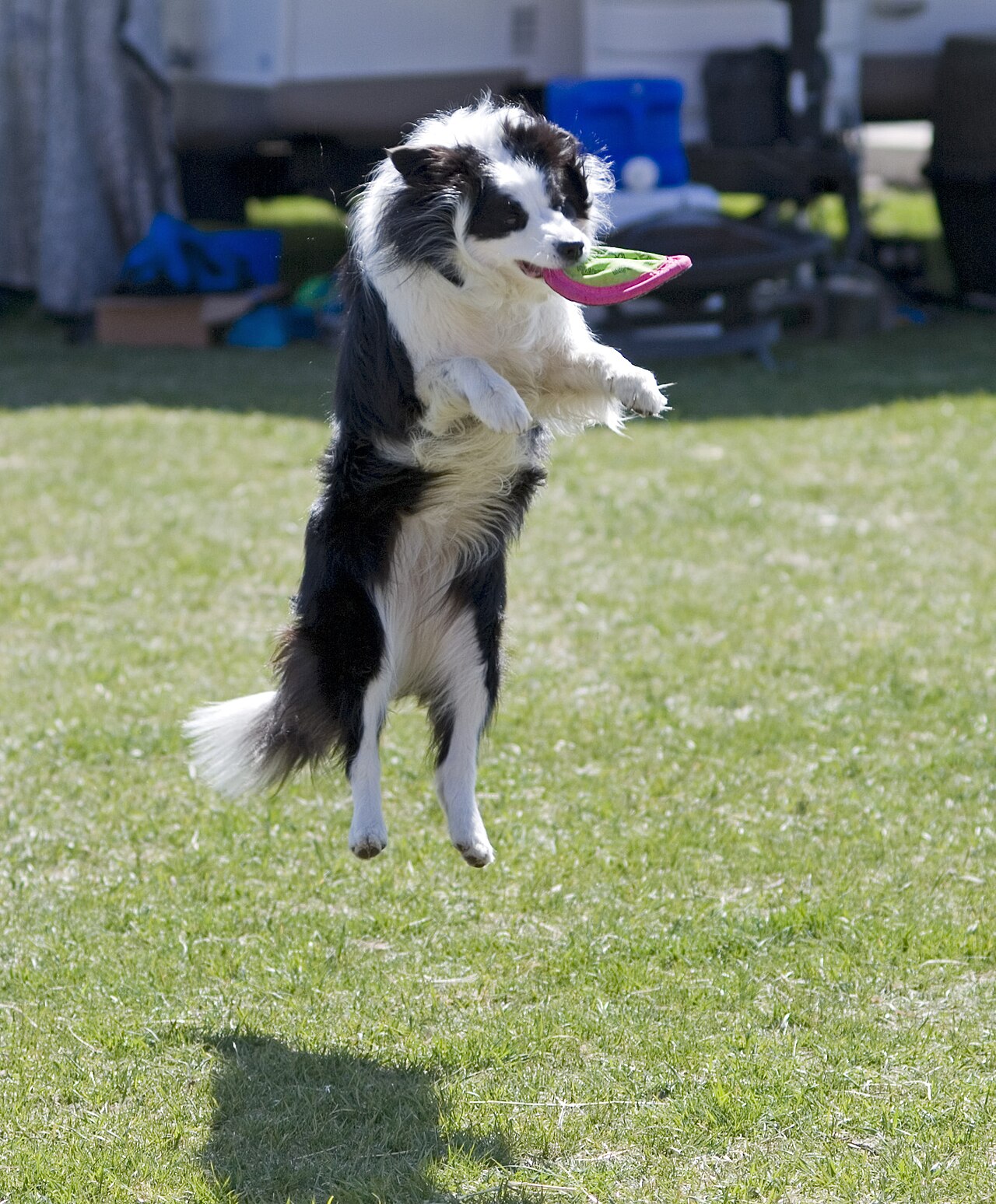
The Border Collie is the specialist. Bred for generations to move sheep with a crouch and an unblinking stare, it brings that same obsessive focus to whatever you give it instead: a ball, a frisbee, the pattern of your morning routine. A Border Collie notices everything and files it away, which is why they dominate agility and why one left unemployed will start herding bicycles, shadows, or your children with an intensity that stops being cute quickly. The Aussie is the generalist. Ranch-bred to herd close, guard the yard, and ride along everywhere, it is pushier, more social with its family, and more suspicious of strangers; an Aussie barks at the delivery van on principle, where a Border Collie mostly just watches it. Both dogs may nip heels when excited. That is not a flaw in the individual; it is two centuries of job description leaking out.
The Workload Neither Dog Will Negotiate
Both need one to two hours of real exercise daily, and here is the part first-time herding owners miss: the body is the easy half. A tired body with a bored brain is still a problem, and these breeds need training games, puzzle feeders, scent work, or an actual sport the way other dogs need dinner. The Border Collie’s demands are deeper; a serious one from working lines is a full-time hobby, and honest breeders say so. The Aussie flexes slightly better into family life, content to hike, learn tricks, and supervise the household, provided the household actually goes places. Neither breed tolerates a life of two ten-minute leash walks. That dog digs, spins, barks, and reorganizes your furniture at speed.
Looks, Coats, and One Gene Worth Knowing
Aussies bring the show-stopping colors: merle swirls, copper points, marble-blue eyes, and often the bobbed tail. Border Collies run classic black-and-white more often, though the breed comes in nearly everything. Grooming is a wash, weekly brushing and seasonal blowouts for both. One practical difference hides in the genes: many Aussies carry the MDR1 mutation, which makes several common drugs, including some routine parasite treatments, dangerous at normal doses. A thirty-dollar cheek-swab test settles it, and any vet treating an Aussie should know the result. Merle-to-merle breeding also produces deaf or blind puppies, which is a question to ask any Aussie source directly. Border Collies carry their own eye condition screenings; working-line breeders and good rescues test for them as a matter of course.
Which One Belongs in Your House?
Choose the Border Collie if you want a sport or working partner above all else, you find training genuinely fun rather than a chore, and a dog staring at you awaiting instructions sounds like companionship instead of pressure; the full Border Collie guide tells you the rest. Choose the Aussie if you want that brilliance pointed at family life, with more guardian instinct and a bit more off-switch, and you can channel the barking early; details in the Australian Shepherd guide. If you are honest with yourself and the answer is “I mostly want a smart, trainable family dog,” a Golden Retriever will thank you for the easier job. And check herding-breed rescue either way: both breeds arrive there in waves around adolescence, handed over by good people who wanted a smart dog and got a genius with nothing to do.