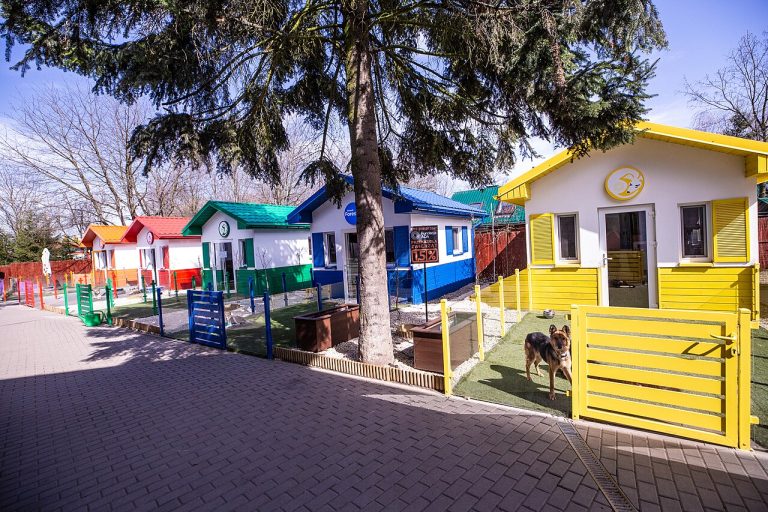
Adopting a Senior Dog: The Best-Kept Secret in Rescue
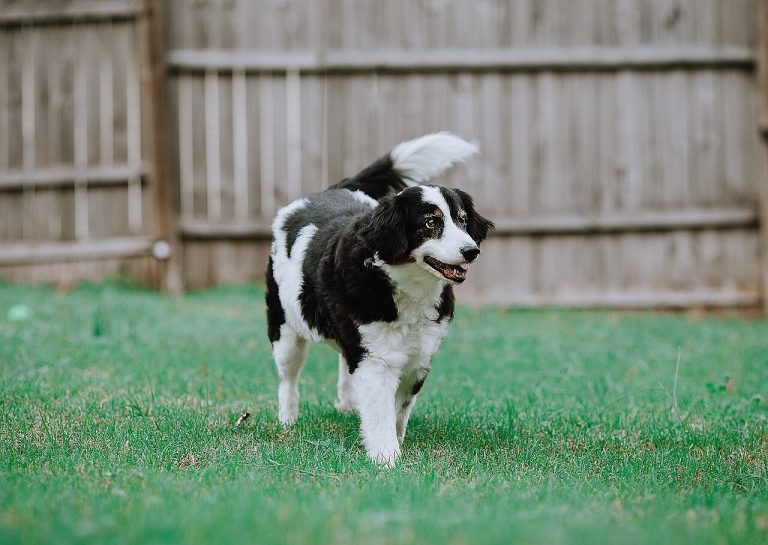
In every shelter there is a dog the visitors’ eyes slide past. It is seven, or nine, or twelve. Its muzzle has gone to grey and its kennel card has been laminated because it has been there so long. The puppies two aisles over will be gone by Sunday; this dog watches the walkway. Senior dogs are the last chosen and the first at risk, and the entire injustice of it rests on a myth: that adopting an old dog means buying sadness. The people who actually do it tell a completely different story, and it deserves to be told properly.
What You Actually Get
A senior dog is the only dog you will ever meet whose whole truth is visible on day one. Size: final. Personality: fully formed and on display. House-training: usually installed years ago. The adolescent chaos that fills our training guides, the chewing, the jumping, the 5 a.m. zoomies, is somebody else’s finished chapter. What remains is the part people get a dog for in the first place: the companionship, distilled. Ask anyone who has adopted a senior and you will hear the same suspicious coincidence, that the calmest, most grateful, most immediately devoted dog they ever owned was the grey one everybody else walked past.

The Hard Part, Faced Squarely
Yes: you will have fewer years, and yes, that math hurts. Here is the reframe from the people who do this repeatedly. The grief is not bigger for a senior dog; it is the same grief every dog owner signs up for, arriving sooner and with fewer regrets attached, because a senior adopter never wonders whether the dog had a good life. They know exactly which years were good ones: theirs. Budget honestly for the practical side too. Senior dogs need twice-yearly vet checks, often dental work on arrival, and sometimes daily medication that costs real money; many rescues help, and some run permanent-foster programs where they keep paying the vet bills while the dog lives out its years on your couch. Ask about those. They are the best-kept secret in rescue.
Who a Senior Dog Fits (Almost Everyone, Awkwardly Enough)
The senior dog is the answer to half the constraints that rule other dogs out. Work full days? A twelve-year-old sleeps through them and holds its bladder like a professional. Live small? A senior’s exercise needs are a stroll and a sensible waistline. First dog ever? You will learn on a patient teacher instead of a furry tornado. Older adopters worry about a dog outliving them, and a senior solves that equation too, gently and honestly. The only genuinely poor fit is the household that wanted years of hiking partnership, and even then, senior dogs of the sporting breeds routinely embarrass that assumption on the trail.
How to Do It
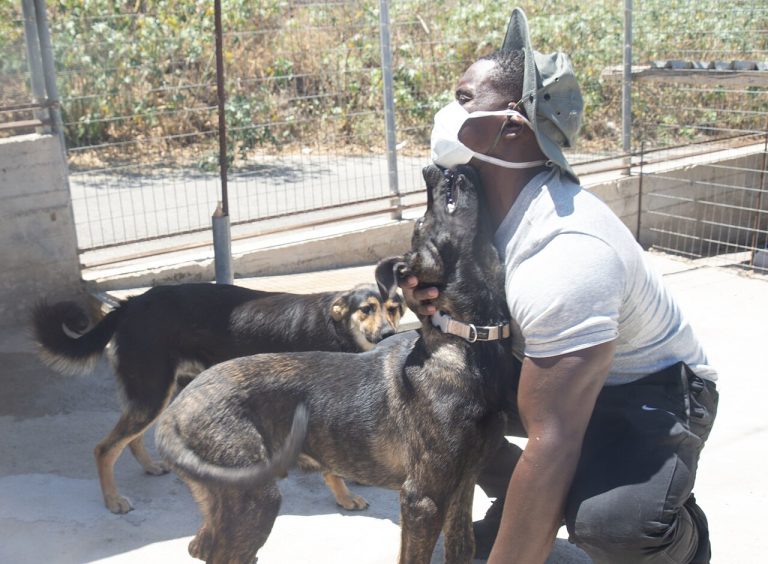
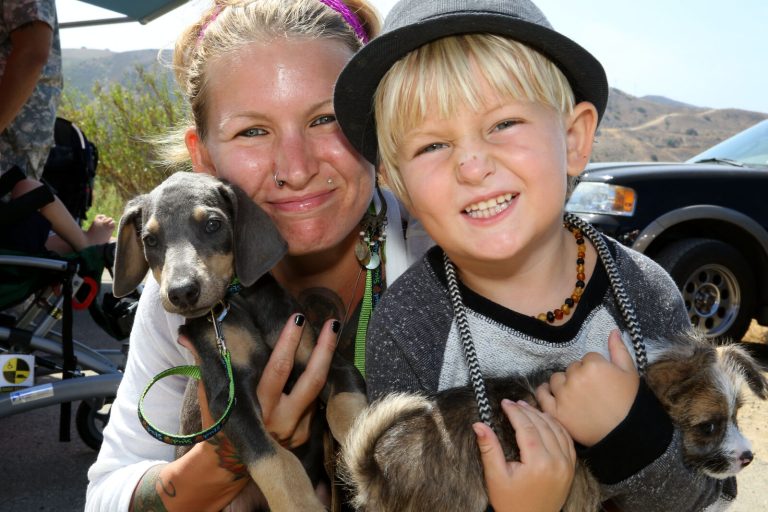
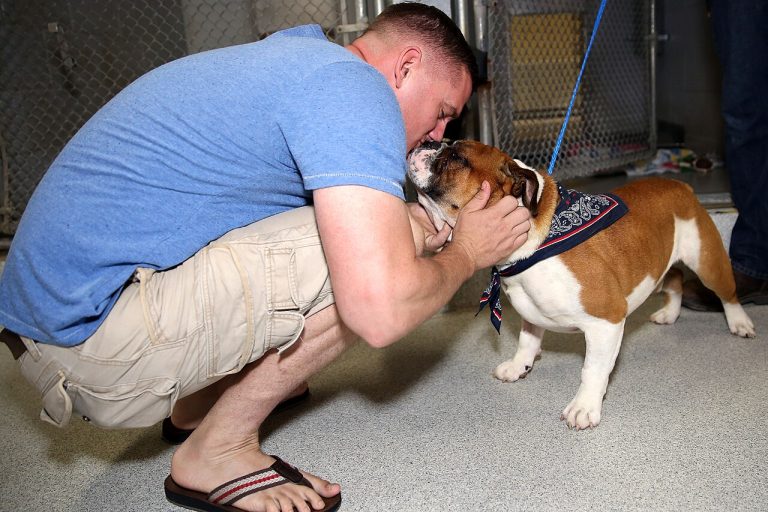
Tell any shelter you are open to seniors and watch the staff’s faces change; you have just become their favorite visitor of the month. Ask for the full vet file (seniors come with honest paperwork), ask what the dog’s days look like in foster, and apply the 3-3-3 rule with the timelines relaxed, since older dogs often settle faster than anyone expects. Dedicated senior rescues exist and are wonderful; Muttville in San Francisco, on our partner page, has placed thousands of dogs aged seven and up. The dog will do the rest. Seniors do not audition. They simply move in, locate the softest spot in the house, sigh once, and begin the last, best chapter as though they had been waiting specifically for you. Which, for months, they were.