Shiba Inu Dog Breed Guide
The Shiba Inu is Japan’s oldest and smallest native breed, a mountain hunter refined over two thousand years into the fox-faced icon the internet eventually made famous. Meme status has sold a lot of Shibas to people expecting a golden retriever in a smaller coat, and the breed corrects that expectation within the first week. A Shiba is dogdom’s cat: clean, self-possessed, selectively affectionate, and convinced, with some justification, that it is the most competent individual in the household.
| Size | Medium |
|---|---|
| Weight | 17–23 lb |
| Lifespan | 13–16 years |
| AKC Group | Non-Sporting |
| Energy Level | High |
| Good with Kids | Moderate |
| Shedding | Heavy |
| Trainability | Moderate |
Temperament & Personality
Shibas bond deeply on their own terms: yours will follow you at a dignified distance, nap in your orbit rather than your lap, and greet your return with genuine, briefly expressed delight before resuming composure. Affection is dispensed on Shiba schedule, which makes the moments it arrives feel like awards. With strangers the breed is reserved; with other dogs, selective; with cats and small pets, a hunting heritage question best answered with careful introductions or separate addresses.
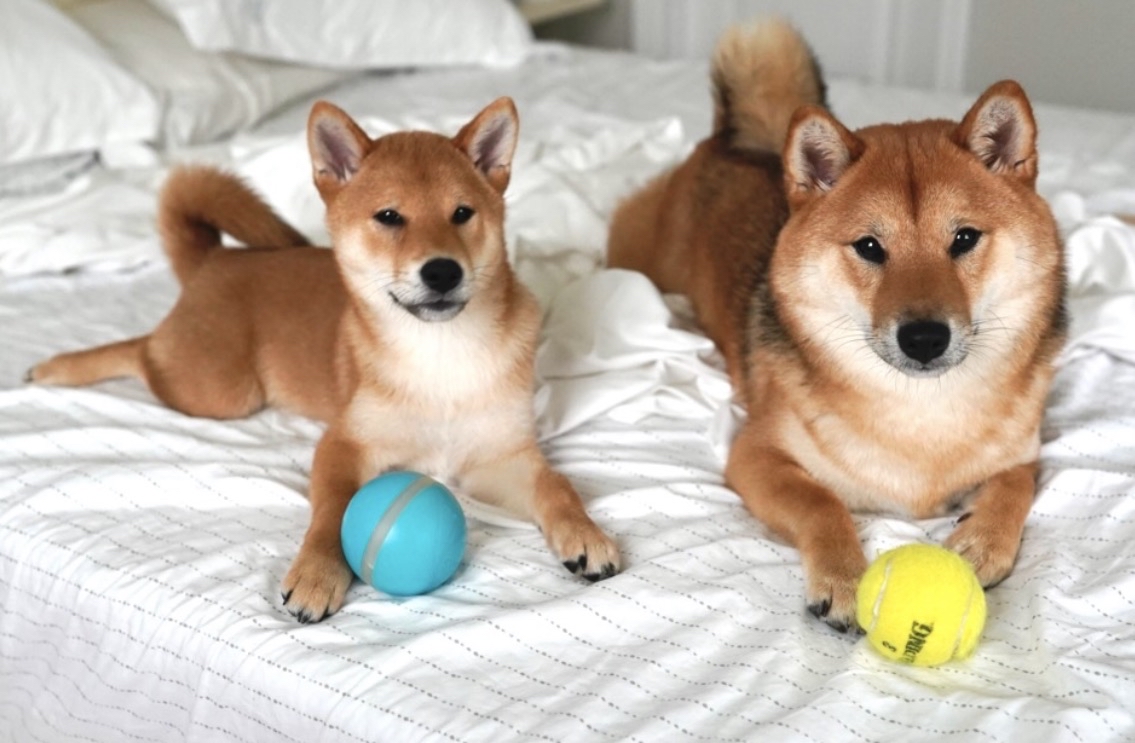
Budget for three Shiba facts. The scream: when displeased, restrained, or bathed, a Shiba produces a piercing, theatrical shriek that neighbors will assume is an emergency; it is not, it is an opinion. The escape artistry: Shibas slip harnesses, exploit gates, and treat an open door as a formal invitation, and a loose Shiba does not come when called, it enters the wind. The “Moderate” kids rating reflects tolerance rather than temperament: Shibas dislike grabby handling and remove themselves (or object) rather than endure it, so respectful older children work best.
Health & Lifespan
Shibas are one of the healthiest breeds in this entire series: compact, ancient, and unexaggerated, they routinely reach 13 to 16 years with unremarkable vet files. The screening list is short: kneecaps (luxating patella, the one-minute check), hips (paperwork on breeding stock), and annual eye exams, since glaucoma runs in the breed at meaningful rates and a painful, squinting red eye is an emergency at any age. Allergies show up in some lines as itchy skin and ear trouble, worth a frank breeder question.
Daily management is minimal: keep the trim frame trim (easy; Shibas rarely overeat), brush the teeth, and respect the double coat’s climate engineering, which handles cold beautifully and heat adequately with shade and timing. The breed’s fastidious self-cleaning habits keep even the vet visits polite.
Training & Exercise
Train a Shiba by making obedience appear to be the Shiba’s idea: reward-based methods, short interesting sessions, and total consistency produce a well-mannered companion who complies thoughtfully, on review. House-training is famously fast (the cat comparison again; Shibas are naturally clean), tricks come easily when the treats justify them, and recall is the honest exception: off-leash trust is never on the table with this breed, not after years, not in a calm dog, not once. Leashes and fences are the Shiba constitution.
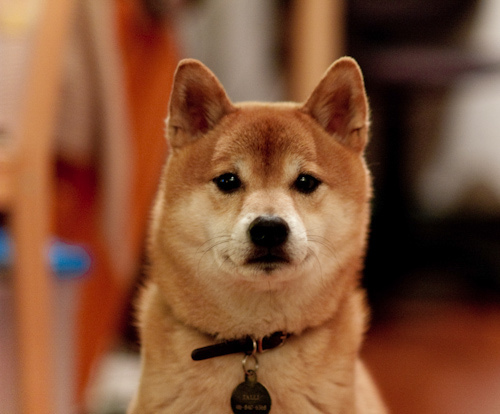
Exercise runs 60 minutes daily: brisk walks, a secure-yard patrol, and play on Shiba terms, plus mental work that respects the breed’s intelligence. Many Shibas enjoy hiking (leashed) and puzzle feeders, and all of them enjoy surveying their territory from an elevated position like the small mountain hunters they remain. A walked, engaged Shiba is quiet, clean, and nearly effortless indoors.
Grooming
Shibas groom themselves like cats, clean obsessively, and carry almost no odor, which makes the maintenance list short and seasonal: a weekly brushing most of the year, escalating to daily sessions with an undercoat rake during the two annual coat blows, when a Shiba sheds enough to build a second Shiba. Baths a few times a year (survive the scream), nails every couple of weeks, weekly ears, regular teeth. Never shave the double coat. The dog handles the rest personally and would prefer you acknowledge that.
Is the Shiba Inu Right for You?
The Shiba fits clean, calm households that respect independence: singles, couples, families with older kids, and cat people converting to dogs. It is wrong for anyone wanting a velcro dog, off-leash park culture, or a child’s playmate, and meme-driven purchases end at rescues with depressing regularity. If you love the spitz aesthetic with more sled-dog sociability, meet the Siberian Husky; a quiet, low-key companion with less attitude, the Whippet. Shiba rescues are staffed by people fluent in the breed’s terms and match accordingly. Adopt one, secure the perimeter, earn the affection at the offered rate, and you will eventually receive the highest honor in Shiba jurisprudence: the dignified lean, briefly, against your leg. It will not be repeated. It will be remembered.
Adopt a Shiba Inu
Shiba rescues speak fluent Shiba and match on the breed’s terms. Shelters and rescues list new dogs every day.