Why Does My Dog Follow Me Everywhere?
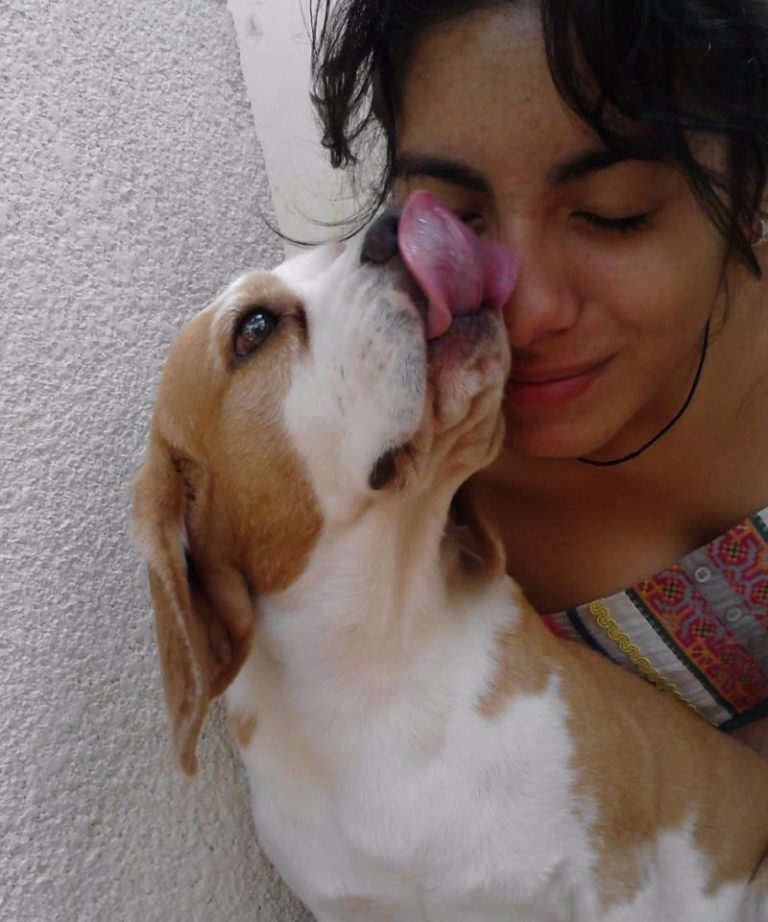
Dogs follow their people because they are social animals bonded to you, because following has paid off (you are the source of everything good), and because some breeds were designed for centuries to shadow a human all day. A velcro dog is normal. It only becomes a problem when the dog panics the moment following is impossible.
Why You Have a Shadow
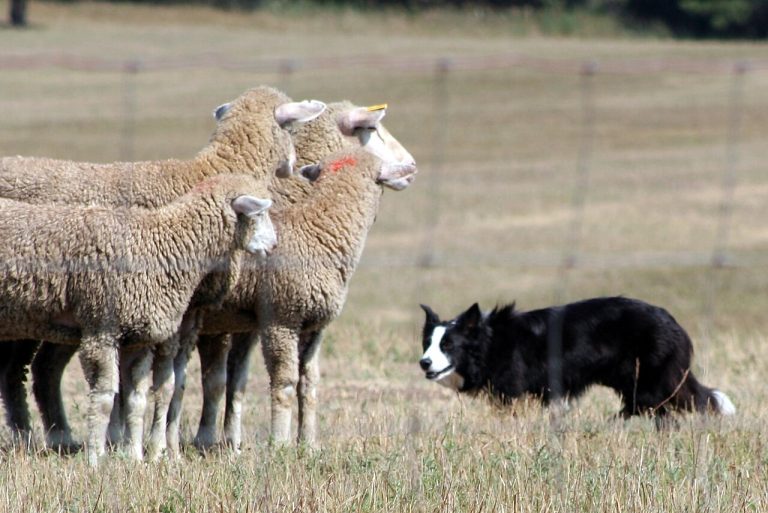
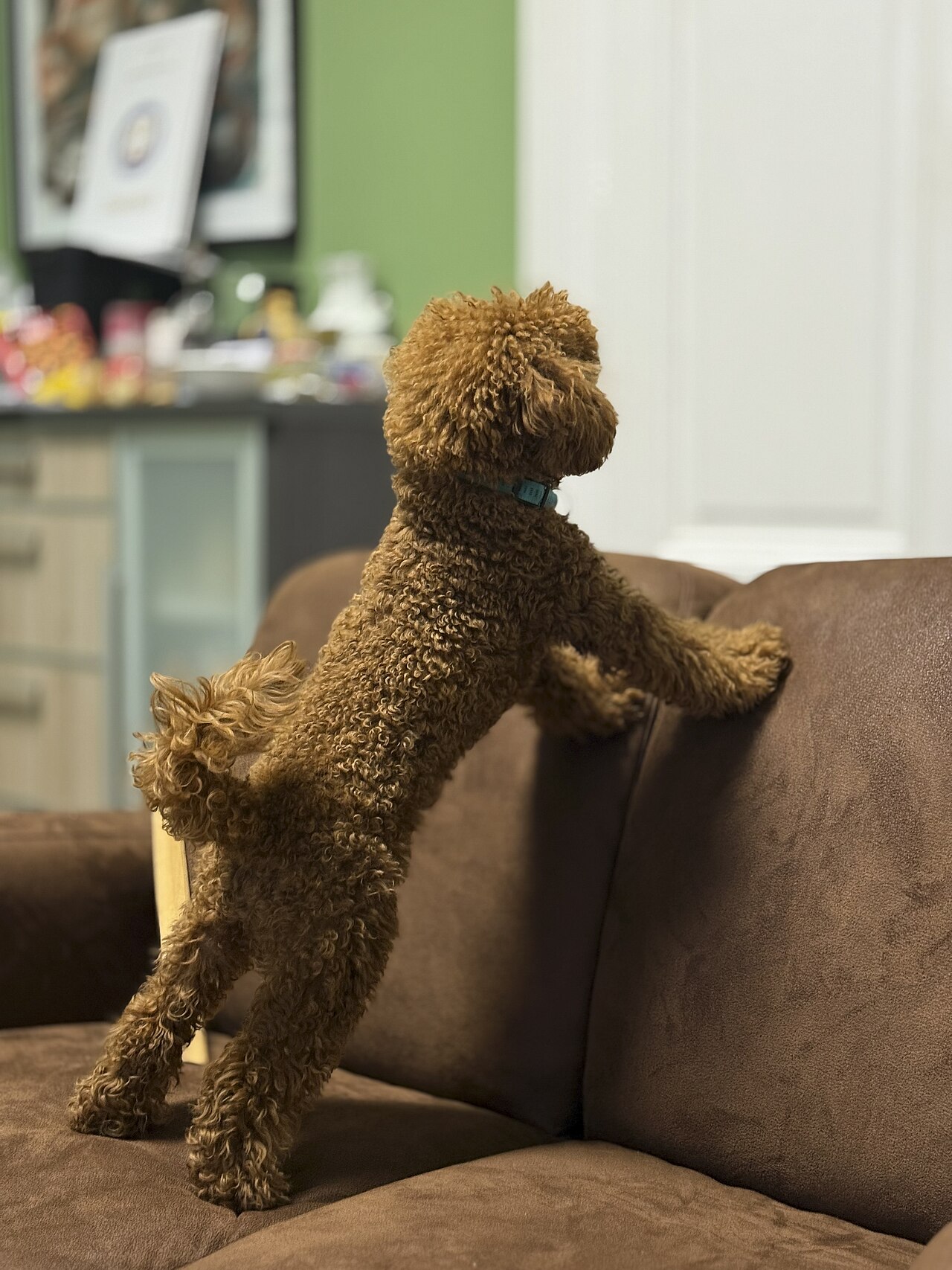
Dogs evolved beside humans for tens of thousands of years; being near their person is the factory setting, not a malfunction. On top of the wiring sits plain economics: you dispense food, walks, and affection, so proximity to you is the best-paying job in the house. Add curiosity (you might be going somewhere interesting, like the kitchen) and temperature (you are warm), and the bathroom escort service explains itself. Breed sharpens it. Companion breeds like the Cavalier, Maltese, and the doodles were selected specifically for attachment, and herding and gun-dog breeds like the Aussie and Vizsla were built to work within arm’s reach of a human all day. If you chose one of these, congratulations: the following is a feature you purchased.
Velcro Dog or Separation Anxiety? The Test That Matters
The distinction is simple and important. A velcro dog follows you when it can and copes when it cannot: it may sigh theatrically at the bathroom door, but it settles. A dog with separation anxiety falls apart when following becomes impossible: barking or howling for hours, destroying doorframes, drooling puddles, house soiling from a house-trained adult, all starting within minutes of your exit. Following you around the house does not predict separation anxiety; panic when you leave defines it. If your dog shows the panic signs, film a departure to see what actually happens, and know this is treatable but rarely self-fixing; it typically needs a structured desensitization plan and sometimes medication, both worth a vet or behaviorist conversation early rather than late.
Building a Little Healthy Independence
Even for a happy shadow, independence is a kindness, because life includes vet stays, travel, and closed doors. Teach a settle-on-mat with the mat gradually farther from you; pay calmness generously (dogs repeat what earns); make alone time a good gig with a frozen food puzzle that only appears when you leave; and keep exits and returns boring, because dramatic goodbyes teach dogs that departures are events. A dog with a stuffed Kong in the kitchen while you shower is practicing a skill. Start that practice in puppyhood if you can; our crate training guide is the foundation, and adult rescue dogs often arrive with independence already installed.