Why Does My Dog Stare at Me?
Dogs stare at people to read us, to ask for things, and, research suggests, because eye contact genuinely feels good to them: mutual gazing releases oxytocin in both dog and human. Most staring is communication or affection. Only a hard, frozen stare with a stiff body, or blank staring at nothing, means something is wrong.
The Ordinary Reasons, Ranked by Likelihood
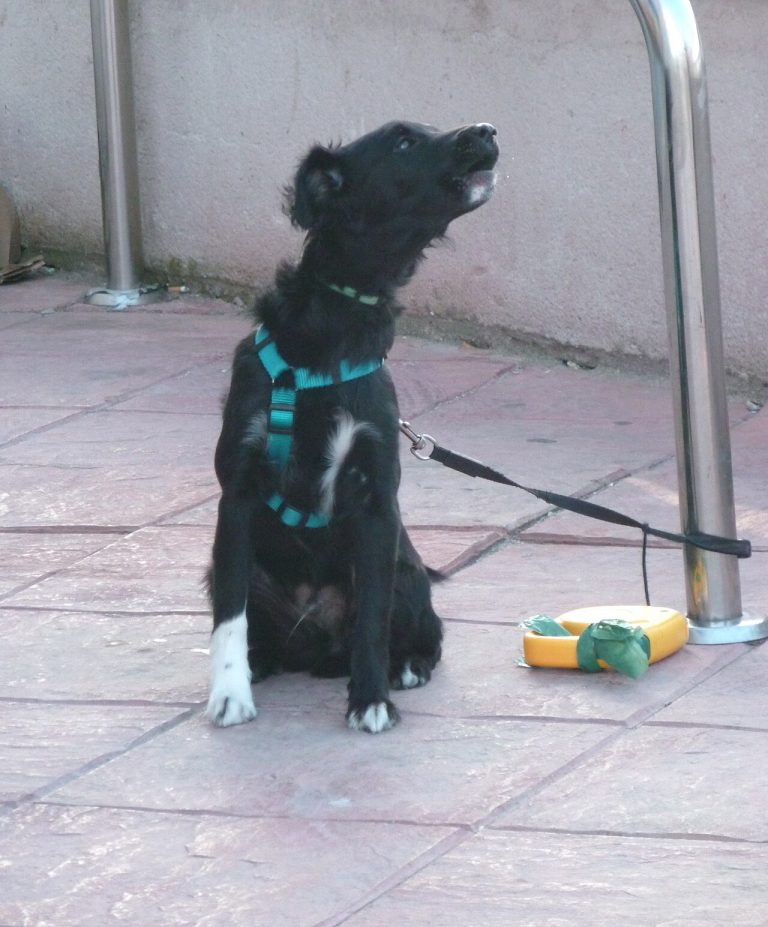
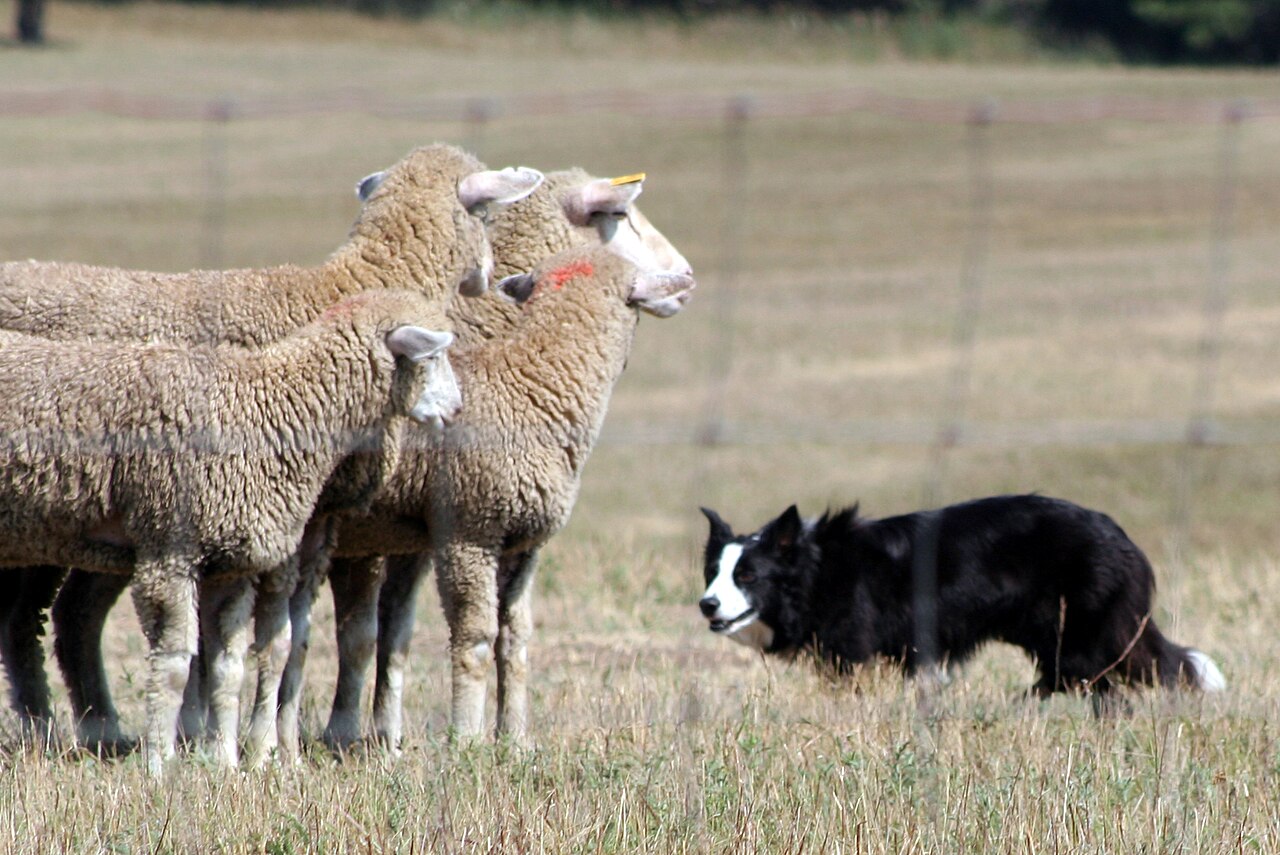
First: anticipation. You are the source of food, walks, and door openings, and staring is how a dog watches the forecast. If the staring intensifies near dinnertime, mystery solved. Second: a request. Dogs learn fast that eye contact makes humans do things, refill bowls, open doors, surrender toast crusts, and a trained stare is just a polite bark. Third: reading you. Dogs study our faces for information the way we check the weather, and they are startlingly good at it; yours knows you are sad before your family does. Fourth, and nicest: affection. The oxytocin loop that bonds mothers to infants runs between dogs and owners too, and soft-eyed gazing is part of how your dog loves you. Some breeds simply stare more: the Border Collie’s famous herding eye, pictured above doing its original job, gets aimed at owners, cats, and tennis balls when sheep are unavailable.
Reading the Stare Correctly
Context and body language separate the friendly stares from the warning. Soft eyes, relaxed ears, a loose body, maybe slow blinking: affection or a request. Hard fixed eyes with a stiff, still body, especially over food, a bone, or a resting spot: that dog is saying back off, and it deserves to be heard, not punished; punishing the warning teaches dogs to skip it next time. Between dogs, direct staring is confrontational, which is why letting your dog lock eyes with strange dogs on walks starts trouble. And a puppy that stares while squatting is not being defiant; it is asking where the bathroom is. Our socialization guide covers teaching dogs to read and give these signals well.
When Staring Means Call the Vet
Two versions matter medically. Staring at walls, into corners, or at nothing, particularly in a senior dog, can signal canine cognitive dysfunction, the dog version of dementia, which responds best to early treatment. Sudden fixed staring with unresponsiveness, lip licking, or twitching can be a focal seizure, worth filming and showing your vet. Either pattern, or staring paired with head pressing against walls, moves this from behavior to medicine; our guide on when to call the vet can help you triage. The everyday dinnertime surveillance, though, needs no cure. You are being watched because you matter.