How to House-Train a Puppy (Without Losing Your Mind)
Here is the secret nobody tells you at puppy pickup: house-training is not really dog training. It is human training with a dog attached. The puppy already knows how to pee; your entire job is to arrange, over and over, for that to happen in the right place, and to be delightful about it when it does. Owners who understand this house-train a puppy in a few weeks. Owners who wait for the puppy to figure it out spend months cleaning carpets and wondering what went wrong.
The One Rule That Does Most of the Work
A puppy needs to go at completely predictable moments: right after waking, within twenty minutes of eating or drinking, immediately after play, and roughly every hour of age-appropriate waiting in between. A rough guide is one hour of bladder control per month of age, so a three-month-old puppy can hold it about three hours, and less when excited, which is always. Write those trigger moments on the fridge if you have to. Every accident that happens at one of them was schedulable.
The Routine, Hour by Hour
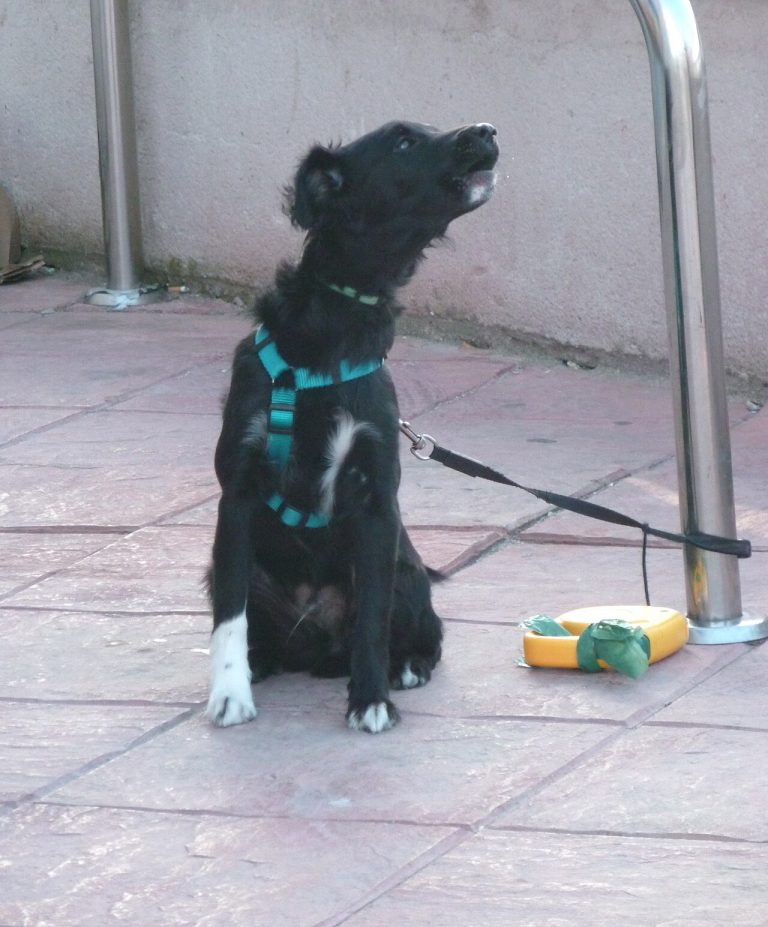
Take the puppy out on a leash, to the same spot, every time. The leash is not about control; it keeps the trip businesslike so the puppy learns that this outing has a purpose, and the same spot smells like previous successes, which is the most persuasive argument a dog ever encounters. Stand there and be boring. When the puppy goes, throw a small party: warm praise, a treat delivered on the spot (not back inside, which teaches the wrong lesson entirely), maybe thirty seconds of play. Then either stay out for fun or head in, so that going promptly never ends the good part.
Between trips, the puppy is in one of three states: actively supervised, in a crate or pen, or outside. That is the whole system. “Actively supervised” means you can see it, not that it is somewhere in the house forming opinions about your rug. Many people tether the puppy to their belt with a leash for the first weeks, which sounds extreme and works beautifully; sniffing and circling happen in plain sight, and you are out the door before the squat.
When Accidents Happen (They Will)
If you catch the puppy mid-act, interrupt gently with a clap or a cheerful “outside!” and carry it out to finish; reward whatever lands in the right place. If you find a puddle after the fact, the training moment has expired: the puppy cannot connect your frustration to something it did minutes ago. Clean it up without commentary, using an enzymatic cleaner, because ordinary cleaners leave a scent flag that reads “bathroom” in a language only the dog speaks. And retire the old advice about rubbing noses in it, permanently. It teaches exactly one thing: that peeing near you is dangerous, which is how you get a puppy that sneaks behind the couch instead.
Why Your Breed Might Be on the Slow Plan
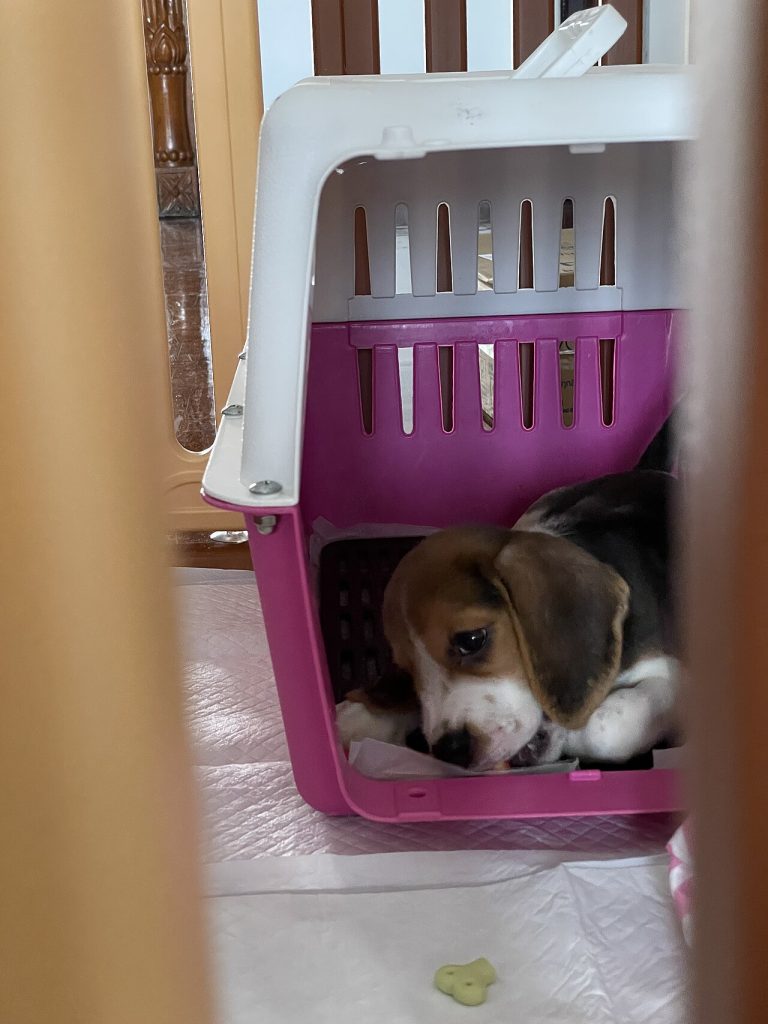
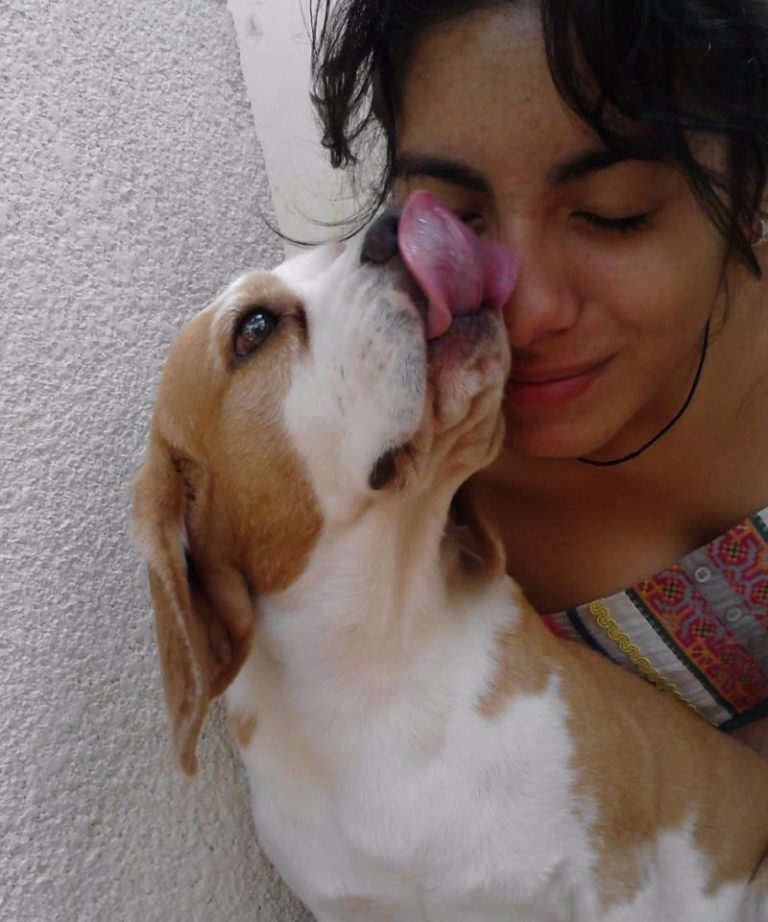
Some dogs simply take longer, and knowing that in advance saves a lot of self-doubt. Tiny breeds like the Chihuahua and Maltese have tiny bladders and an understandable objection to cold, wet grass. Hounds like the Beagle and Dachshund get distracted by fascinating smells mid-mission, and companion breeds like the Bichon Frise are famous among their own fanciers for a leisurely timeline. None of this changes the method. It just changes how long you run it, and small-dog owners should budget months of consistency rather than weeks.
Adult Rescues: Usually Faster Than You Fear
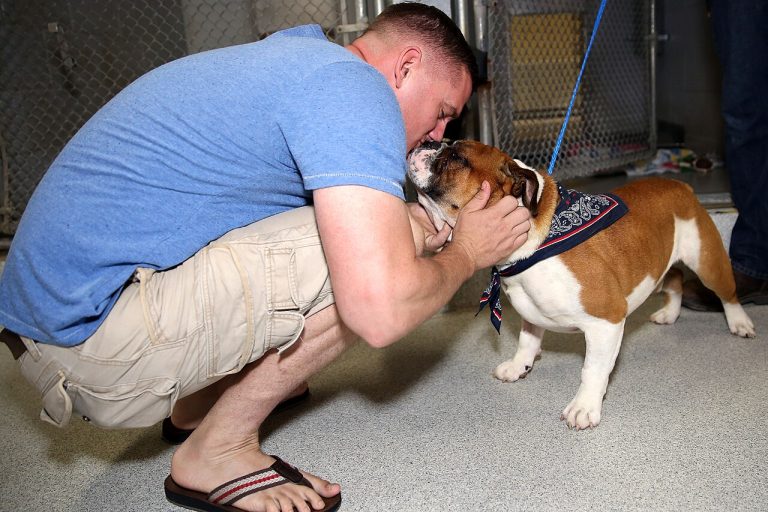
A common worry about adopting an adult dog is inheriting a house-training project, and it is mostly backwards. Adult dogs have adult bladders and often arrive house-trained or nearly so; what looks like a lapse in the first week is usually stress, a changed schedule, or a dog that has not yet learned where “outside” is at your house. Run the puppy protocol at adult speed (more trust, longer intervals) for two weeks, and most rescues are reliable before the month is out. If a previously solid adult starts having accidents, call the vet before the trainer; urinary infections are the classic hidden cause.
The Timeline, Honestly
Expect real progress in two weeks, general reliability somewhere between three and six months, and occasional adolescent amnesia after that. The puppy is not being stubborn; it is being a baby animal with a walnut-sized bladder and a growing brain. Keep the schedule, keep the parties, keep the enzymatic cleaner within reach, and one unremarkable day you will realize the last accident was weeks ago and you never even noticed the graduation.
Still choosing your dog? Every one of our breed guides tells you honestly how each breed handles house-training, and shelters near you have dogs who already know the whole curriculum.