Dalmatian Dog Breed Guide
Before Hollywood got involved, the Dalmatian had the strangest job in dogdom: running twenty miles a day beside horse-drawn coaches, guarding the team at inns, and later clearing the way for firehouse wagons. That is the dog under the spots, a road athlete with limitless stamina and a deep attachment to its crew. Every couple of decades a movie re-releases and thousands of families buy the spots without the mileage, and a year later the rescues fill up. This guide is the version of the story that keeps dogs out of that pipeline.
| Size | Medium |
|---|---|
| Weight | 45–70 lb |
| Lifespan | 11–13 years |
| AKC Group | Non-Sporting |
| Energy Level | Very High |
| Good with Kids | Very Good |
| Shedding | Moderate |
| Trainability | Very Good |
Temperament & Personality
A Dalmatian in the right home is a joyful, clownish, deeply loyal athlete that wants to be wherever its people are, preferably in motion. The coach-dog heritage shows in odd, endearing ways: many Dals fall in step beside you with uncanny precision, shoulder brushing your knee, exactly as their ancestors ran beside carriage wheels. They grin (an actual submissive smile that alarms strangers and delights owners), they talk in expressive grumbles, and they remember people for years.
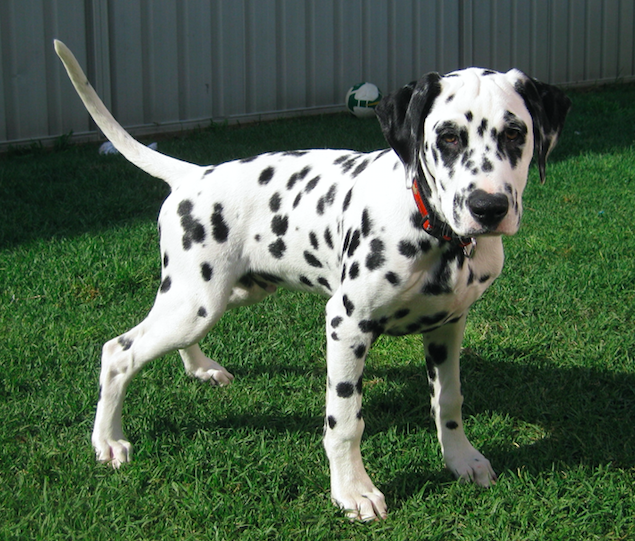
The same dog in an under-exercised home is a different animal: anxious, mouthy, destructive, and loud, not because the temperament failed but because the odometer read zero. Dals bond intensely and do poorly warehoused in yards; they are house dogs with outdoor engines. With kids they are exuberant and affectionate, better suited to children sturdy enough for a fast fifty-pound dog than to toddlers. Early socialization matters more than average here, since the breed’s watchdog streak can turn into reserve with strangers if it is never given better information.
Health & Lifespan
Two breed-specific facts belong in every Dalmatian conversation. First, hearing: the gene behind the spots also affects the inner ear, and a meaningful share of Dalmatians are deaf in one or both ears. Responsible breeders BAER-test every puppy and show you the results; a unilateral dog lives a completely normal life, and even bilateral deaf Dals thrive with hand-signal training in the right home. Ask for the test, not the reassurance. Second, urinary chemistry: Dalmatians metabolize purines uniquely and can form urate bladder stones. The management is unglamorous and effective: constant fresh water, frequent chances to empty the bladder, and a moderate-purine diet (your vet will point away from organ meats and certain proteins). A straining, urine-blocked Dalmatian, usually male, is an emergency, not a wait-and-see.
Past those two, the breed is sound and athletic, typically reaching 11 to 13 years, with the usual hip screening worth requesting and a lean body condition doing its quiet lifetime of good. When adopting, ask the rescue about hearing status and any stone history; good groups test and tell.
Training & Exercise
Dals are smart, sensitive, and quick to learn from anyone consistent; they took direction from firefighters and coachmen for two centuries and it shows. Reward-based training clicks fast, harsh handling shuts them down, and boredom invents hobbies you will not endorse. Channel the brain early into obedience, trick work, or agility. For a deaf or part-deaf Dal, training simply goes visual: hand signals, thumbs-up markers, a vibrating (never shock) collar for attention, and the dogs do brilliantly.
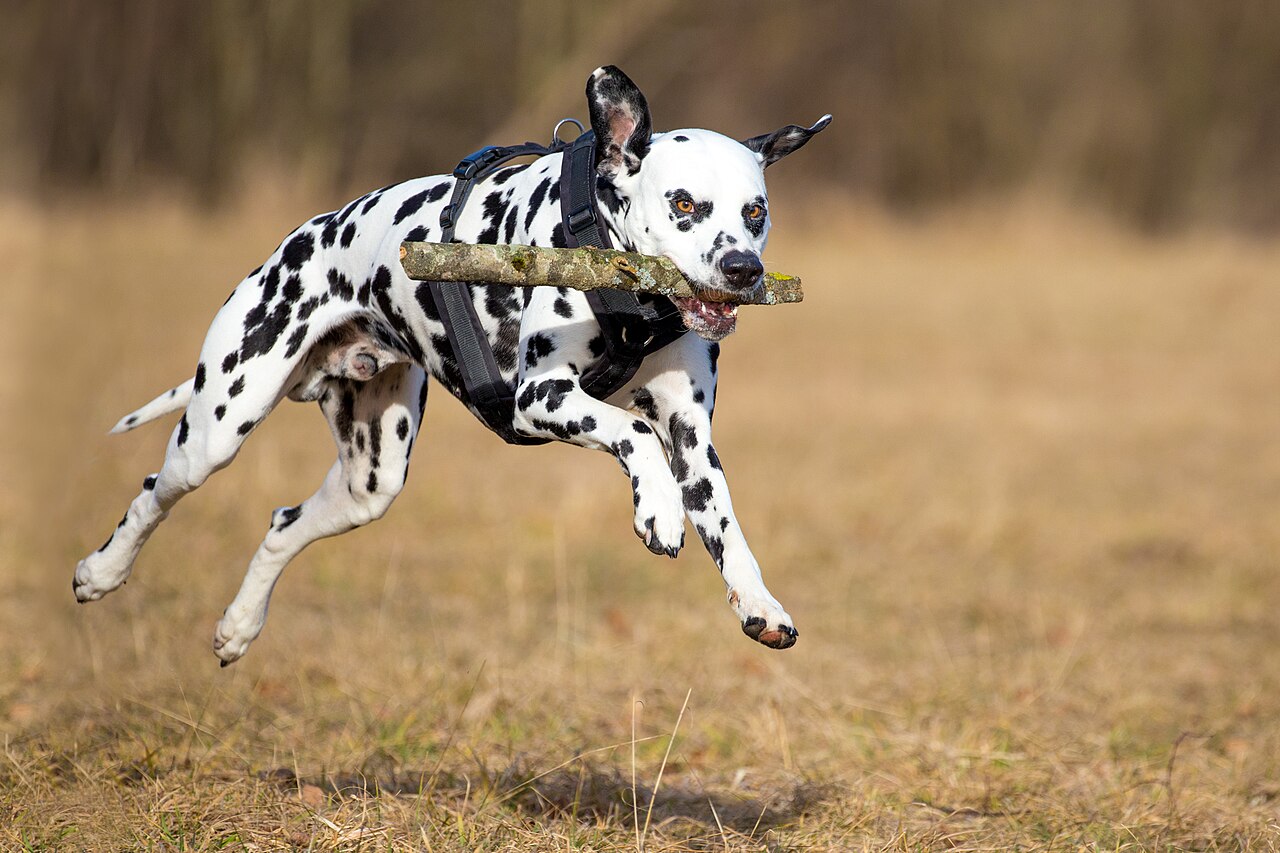
Now the honest number: a young adult Dalmatian needs up to two hours of genuine exercise a day, and “genuine” means heart-rate, not a stroll. This is one of the world’s great running partners, happily logging five-mile jogs (after growth plates close around 18 months), all-day hikes, and bikejoring. Add mental work and a job; subtract nothing. If your week cannot absorb that, the breed cannot fit your life, and no amount of affection changes the math.
Grooming
The Dalmatian coat is short, glossy, self-cleaning, and permanently airborne. Those stiff white hairs shed all year, weave themselves into upholstery like embroidery thread, and defeat lint rollers sent against them. A weekly session with a rubber curry mitt (a few times weekly in shedding season) keeps the volume survivable. Baths are rare; the coat sheds dirt on its own and barely smells. Nails, teeth, and a weekly ear check complete a routine that costs fifteen minutes and one ruined black sweater at a time.
Is the Dalmatian Right for You?
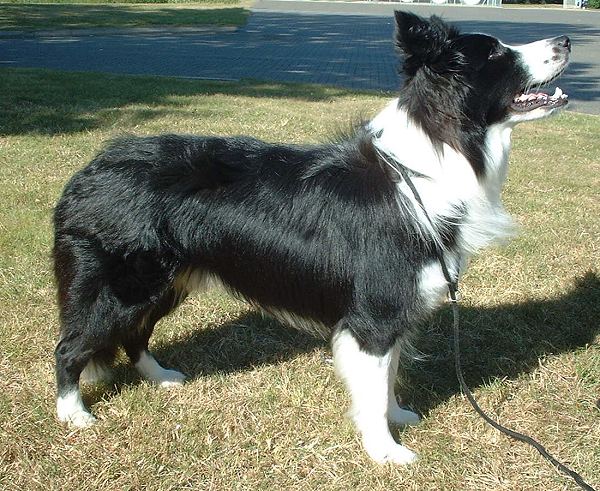
The right Dalmatian owner runs, bikes, or hikes on an actual schedule and wants a devoted partner in it. Active families with school-age kids fit; marathon trainers fit better. It is the wrong breed for busy households hoping a yard will do the work, for first-timers who want an easy keeper, and for anyone buying spots because a movie was charming. If you want the athleticism with a warmer off-switch, meet the Vizsla; if it is the brains-plus-drive package that appeals, the Border Collie runs on similar fuel. And Dalmatian rescues, veterans of every movie cycle, are superb at matching: they know which dog is deaf, which is a couch-adjacent senior, and which needs a runner. Somewhere out there is a spotted athlete pacing a kennel run, built for twenty miles and waiting for someone who means it.
Adopt a Dalmatian
Breed rescues BAER-test, temperament-test, and tell you the whole truth about each dog. Shelters and rescues list new dogs every day.