Bloodhound Dog Breed Guide
The Bloodhound owns the finest nose ever pointed at the ground. Trailing evidence from these dogs has been cited in American courtrooms, and a good one can follow a days-old track across miles of confusing country. That superpower comes bolted to a hundred pounds of droopy, affectionate, magnificently stubborn hound, and living with one means accepting a simple hierarchy: the nose votes first, you vote second. People who understand that keep Bloodhounds for life. People who expect an obedient retriever in a wrinkled suit end up calling a rescue.
| Size | Large |
|---|---|
| Weight | 80–110 lb |
| Lifespan | 10–12 years |
| AKC Group | Hound |
| Energy Level | Moderate |
| Good with Kids | Excellent |
| Shedding | Moderate |
| Trainability | Moderate |
Temperament & Personality
Off the trail, a Bloodhound is one of the gentlest large dogs alive: patient with children to a fault, tolerant of other dogs, and affectionate in a leaning, sighing, take-up-the-whole-couch way. This is a pack hound that genuinely likes company, canine or human, and does poorly as a lone backyard ornament. The voice deserves advance warning. A Bloodhound’s bay is a rolling, mournful foghorn that carries across a valley, gets deployed whenever the dog feels underinformed about dinner, and cannot be trained away, only managed.
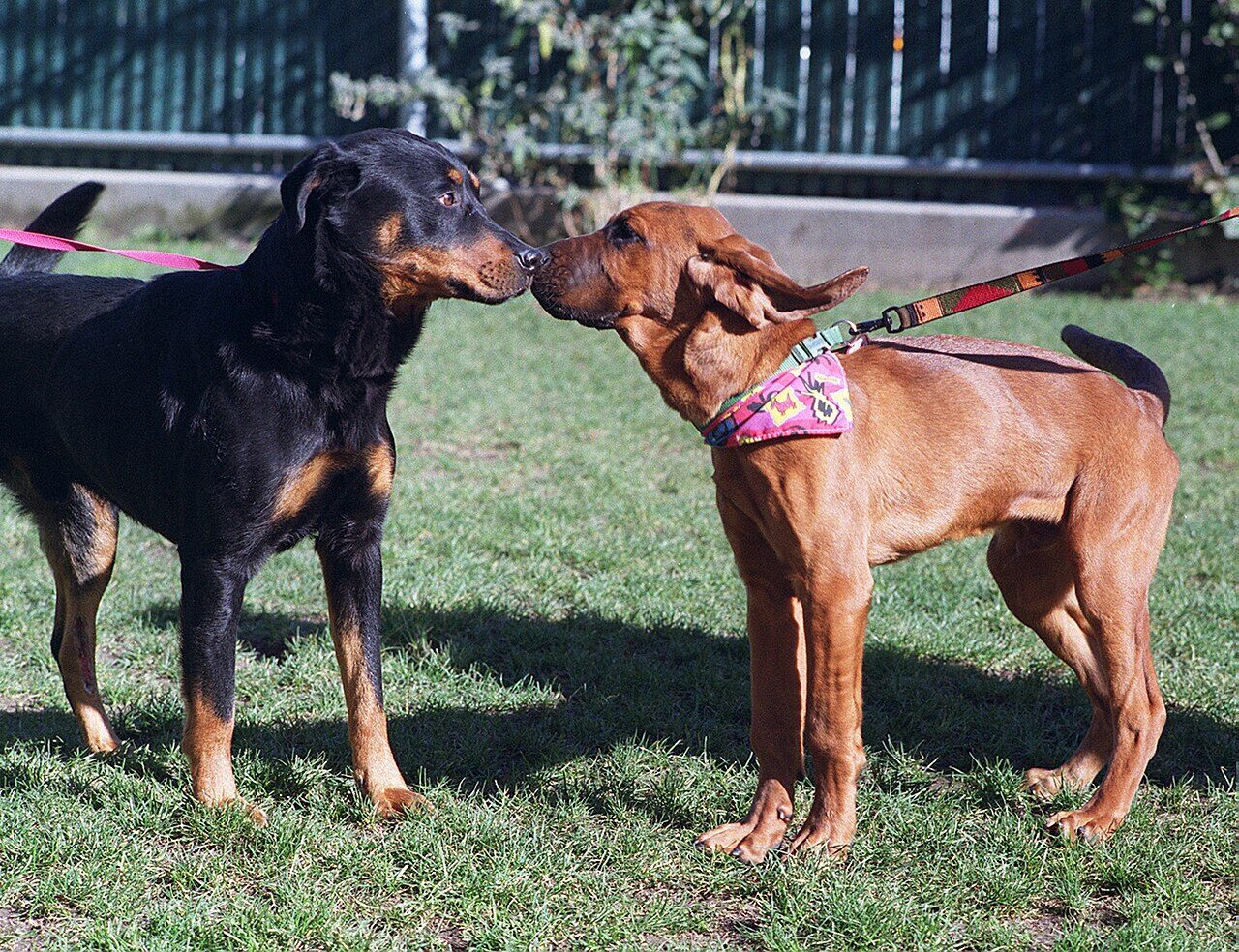
Then someone leaves a gate open. A Bloodhound on a scent is not disobedient; it is simply gone, following a story in the ground with total commitment and zero interest in traffic. Six-foot fences, checked latches, and a leash-only outdoor life are not overcautious for this breed; they are the standard written in decades of lost-dog reports. Add the drool (impressive), the counter-surfing reach (complete), and a talent for swallowing improbable objects, and you have a dog that keeps its household humble.
Health & Lifespan
Bloodhounds live 10 to 12 years when the big risks are managed, and the biggest is bloat: this deep-chested breed ranks near the top of every gastric-torsion list. Memorize the signs (swollen belly, unproductive retching, sudden pacing distress after meals), feed two or three calm meals a day instead of one, and talk to your vet about preventive gastropexy if the dog ever needs abdominal surgery anyway. Hips and elbows carry the usual big-dog dysplasia risk, so ask for OFA or PennHIP scores on any puppy’s parents.
The rest is maintenance of all that skin. The long ears drag through the world and trap moist air, making weekly cleaning non-negotiable; the facial folds and droopy eyes need regular checks, since the loose lids invite irritation. Keep the weight down, keep the ears dry, and expect a hound that ages gracefully into an even more dignified nap architect. When adopting, ask the rescue about bloat history and ear condition; both tell you how the dog was kept.
Training & Exercise
Train a Bloodhound with food, patience, and realistic ambitions. It learns quickly and complies thoughtfully, on a schedule influenced by smells you cannot perceive. Recall is the humbling one: work on it for the dog’s whole life, pay in roast chicken, and still never bet a road crossing on it. What this breed does brilliantly is nose work, and giving it a sanctioned outlet changes everything: tracking classes, scent trails you lay in the yard, find-it games that end in triumph. A Bloodhound with a job for its nose is calm; one without invents assignments.
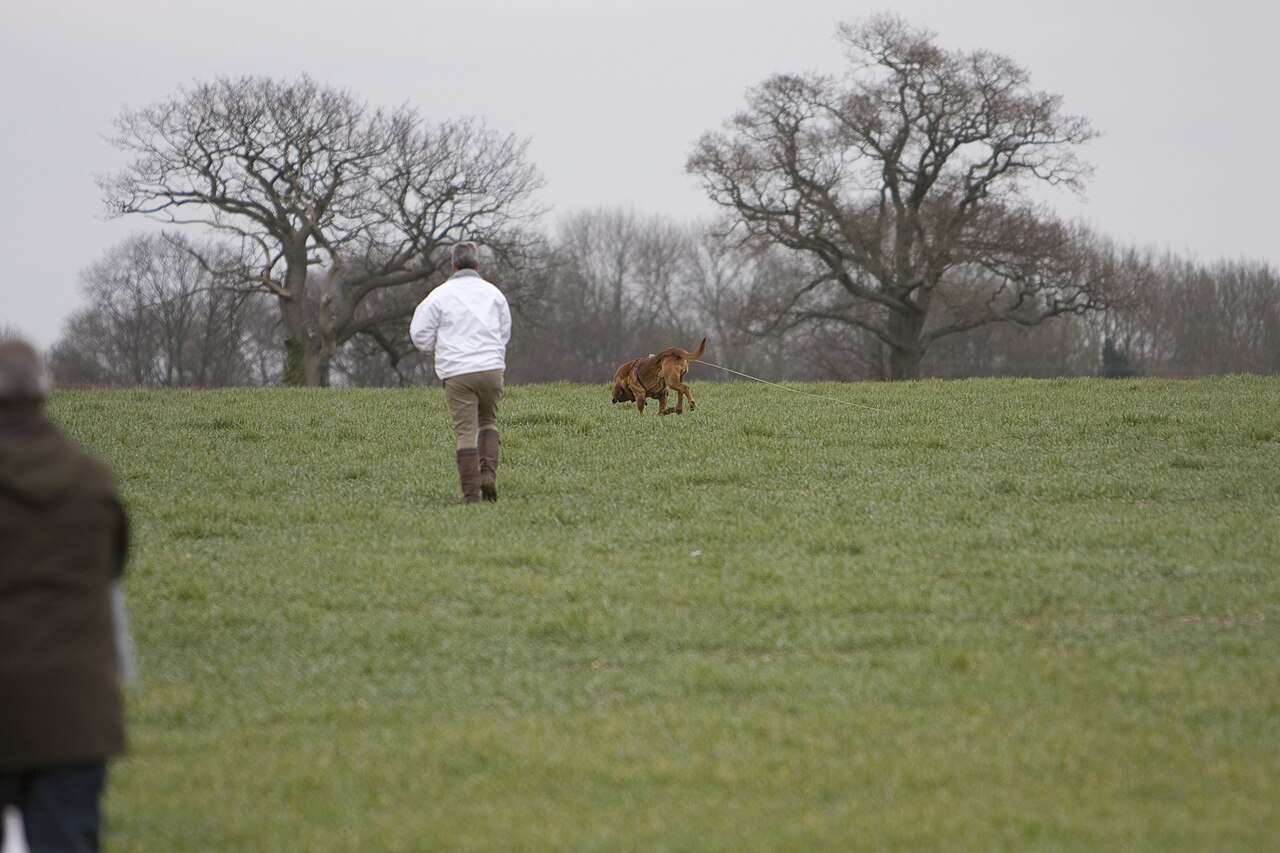
Physically, plan on an hour a day: a long sniffing walk (accept that it is the dog’s newspaper and let it read), some play, and a weekly longer outing. Bloodhounds have working stamina when asked but default to energy conservation at home, where a two-year-old can nap like furniture. Puppies grow enormous fast, so keep exercise soft and joint-friendly until around 18 months.
Grooming
The coat is the easy part: short, dense, shedding moderately, and satisfied with a weekly rubber-brush session. Everything else droops and therefore needs attention. Clean and dry the ears every week without fail, wipe the facial folds, check the eyes, and keep a towel within reach of the water bowl at all times, because a Bloodhound drinks like a horse and shares generously. Baths as needed, which with a hound that loves rolling in interesting discoveries means more often than you planned. Nails, teeth, done. No stylist required, just laundry.
Is the Bloodhound Right for You?
Say yes if you have a securely fenced yard, tolerance for drool and opera, and the humility to love a dog that will never fully obey you. Families do wonderfully; the breed’s patience with children is the stuff of old paintings. Say no if you need off-leash hikes, a quiet street, or a dog that stays where you put it. If you love the scent-hound soul in a smaller, more manageable package, meet the Beagle; for the same droop with less mileage, the Basset Hound is the armchair edition. Bloodhounds reach rescue when their noses outvote unprepared owners, and an adult who lands in the right home settles into magnificent, sonorous contentment. Somewhere out there, one is reading the ground and wondering where you are.
Adopt a Bloodhound
Hound rescues know exactly which dogs need a tracking hobby and which need a couch. Shelters and rescues list new dogs every day.